The Benefits of Tylenol PM and Melatonin for Sleep
When it comes to getting a good night’s sleep, many people turn to sleep aids such as Tylenol PM and melatonin. These two supplements are popular choices for those looking to improve their sleep quality and duration. Let’s explore the benefits of each:
Tylenol PM
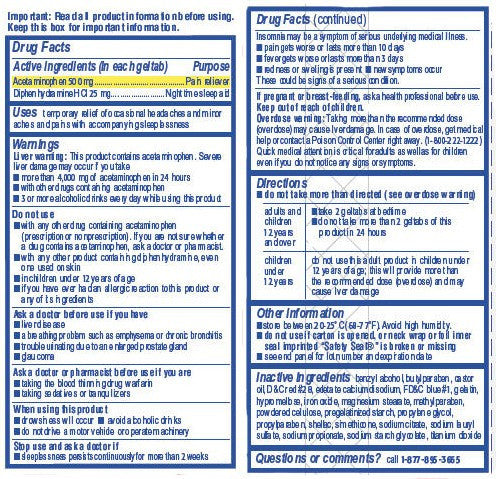
Tylenol PM is a combination medication that contains acetaminophen (pain reliever) and diphenhydramine (antihistamine). While it is primarily used for pain relief, the diphenhydramine component also has sedative effects that can help promote sleep. Tylenol PM is often used by individuals who struggle with occasional insomnia or have difficulty falling asleep due to pain or discomfort.
It’s important to follow the recommended dosage instructions when taking Tylenol PM, as excessive use can lead to side effects such as drowsiness, dizziness, and dry mouth. Consult with a healthcare provider before using Tylenol PM regularly, especially if you have underlying health conditions or are taking other medications.
Melatonin
Melatonin is a hormone naturally produced by the body that helps regulate the sleep-wake cycle. Supplemental melatonin is commonly used to treat insomnia and improve overall sleep quality. It is particularly effective for individuals who have difficulty falling asleep at night or experience jet lag due to travel across time zones.
Unlike Tylenol PM, melatonin is a natural supplement that is generally well-tolerated and has fewer side effects. However, it’s still important to use melatonin as directed and consult with a healthcare provider if you have any concerns about its use, especially if you are pregnant, breastfeeding, or taking other medications.
Conclusion
Both Tylenol PM and melatonin can be effective options for improving sleep quality and duration. While Tylenol PM may be more suitable for addressing pain-related sleep disturbances, melatonin offers a natural solution for regulating the sleep-wake cycle. It’s essential to consider your individual needs and consult with a healthcare provider before incorporating any sleep aids into your routine.
Remember that establishing healthy sleep habits, such as maintaining a consistent bedtime routine, creating a comfortable sleep environment, and managing stress levels, are also key factors in promoting restful sleep. If you continue to experience persistent sleep problems, seek professional guidance to address any underlying issues affecting your ability to get adequate rest.
Common Questions About Combining Tylenol PM and Melatonin: Safety, Interactions, and Effectiveness
- What medications should you not take with melatonin?
- Can I take Advil PM and melatonin together?
- What should you not take with Tylenol PM?
- What drugs should you not mix with melatonin?
- Which is better for sleep, melatonin or Tylenol PM?
- When should you not take Tylenol PM?
What medications should you not take with melatonin?
When considering the use of melatonin as a sleep aid, it’s important to be aware of potential interactions with other medications. Certain medications may interact with melatonin, affecting its effectiveness or increasing the risk of side effects. It is generally recommended to avoid combining melatonin with sedatives, antidepressants, blood thinners, and medications that suppress the immune system. Always consult with a healthcare provider or pharmacist before taking melatonin alongside any other medications to ensure safety and efficacy.
Can I take Advil PM and melatonin together?
When considering the combination of Advil PM and melatonin, it’s important to exercise caution and consult with a healthcare provider. Advil PM contains ibuprofen (pain reliever) and diphenhydramine (antihistamine), similar to Tylenol PM, which can have sedative effects. Melatonin, on the other hand, is a natural hormone that regulates sleep-wake cycles. While there is no known major interaction between Advil PM and melatonin, combining these two medications may increase the risk of side effects such as drowsiness, dizziness, and impaired cognitive function. It’s advisable to seek professional medical advice before taking Advil PM and melatonin together to ensure safety and efficacy in managing sleep-related issues.
What should you not take with Tylenol PM?
When considering what not to take with Tylenol PM, it is crucial to be aware of potential interactions that could impact your health and well-being. One important consideration is avoiding other medications that contain acetaminophen, as exceeding the recommended dosage of acetaminophen can lead to liver damage. Additionally, combining Tylenol PM with other sedating substances, such as alcohol or certain antihistamines, can increase the risk of drowsiness and respiratory depression. It is advisable to consult a healthcare provider or pharmacist before taking Tylenol PM alongside any other medications or supplements to ensure safe and effective use.
What drugs should you not mix with melatonin?
It is important to be cautious when combining melatonin with certain drugs, as interactions can occur that may affect their effectiveness or lead to potential side effects. Some medications that should not be mixed with melatonin include blood thinners like warfarin, immunosuppressants such as cyclosporine, and certain antidepressants like fluoxetine. Additionally, sedatives and central nervous system depressants may have increased effects when taken with melatonin, potentially causing excessive drowsiness or impaired coordination. Always consult with a healthcare provider or pharmacist before combining melatonin with any other medications to ensure safe and appropriate use.
Which is better for sleep, melatonin or Tylenol PM?
When comparing melatonin and Tylenol PM for sleep, it’s essential to consider individual needs and preferences. Melatonin is a natural hormone that helps regulate the sleep-wake cycle and is often used to address insomnia and jet lag. On the other hand, Tylenol PM combines acetaminophen for pain relief with diphenhydramine for its sedative effects to promote sleep. The choice between melatonin and Tylenol PM depends on factors such as the underlying reason for sleep disturbances, tolerance to medications, and potential interactions with other drugs. Consulting with a healthcare provider can help determine the most suitable option based on your specific circumstances and health considerations.
When should you not take Tylenol PM?
It is important to be cautious and avoid taking Tylenol PM in certain situations. You should not take Tylenol PM if you have consumed alcohol, as it can increase the risk of liver damage. Additionally, individuals with liver disease or a history of liver problems should avoid Tylenol PM due to its acetaminophen content, which can be harmful to the liver in high doses. If you are taking other medications that contain acetaminophen or diphenhydramine, it is crucial to avoid combining them with Tylenol PM to prevent potential drug interactions and side effects. Always consult with a healthcare provider before taking Tylenol PM, especially if you have any underlying health conditions or concerns about its safety for your specific situation.