The Importance of Stress Management in the Workplace
Work-related stress is a common issue that many employees face in today’s fast-paced and demanding work environment. The negative effects of stress not only impact individual well-being but also affect overall productivity and organizational success. Implementing effective stress management strategies in the workplace is crucial for maintaining a healthy and positive work culture.
Identifying Sources of Stress
It is essential for both employees and employers to identify the sources of stress in the workplace. These can range from heavy workloads, tight deadlines, lack of control over tasks, conflicts with colleagues, poor communication, to unclear job expectations. Recognizing these stressors is the first step towards managing them effectively.
Creating a Supportive Environment
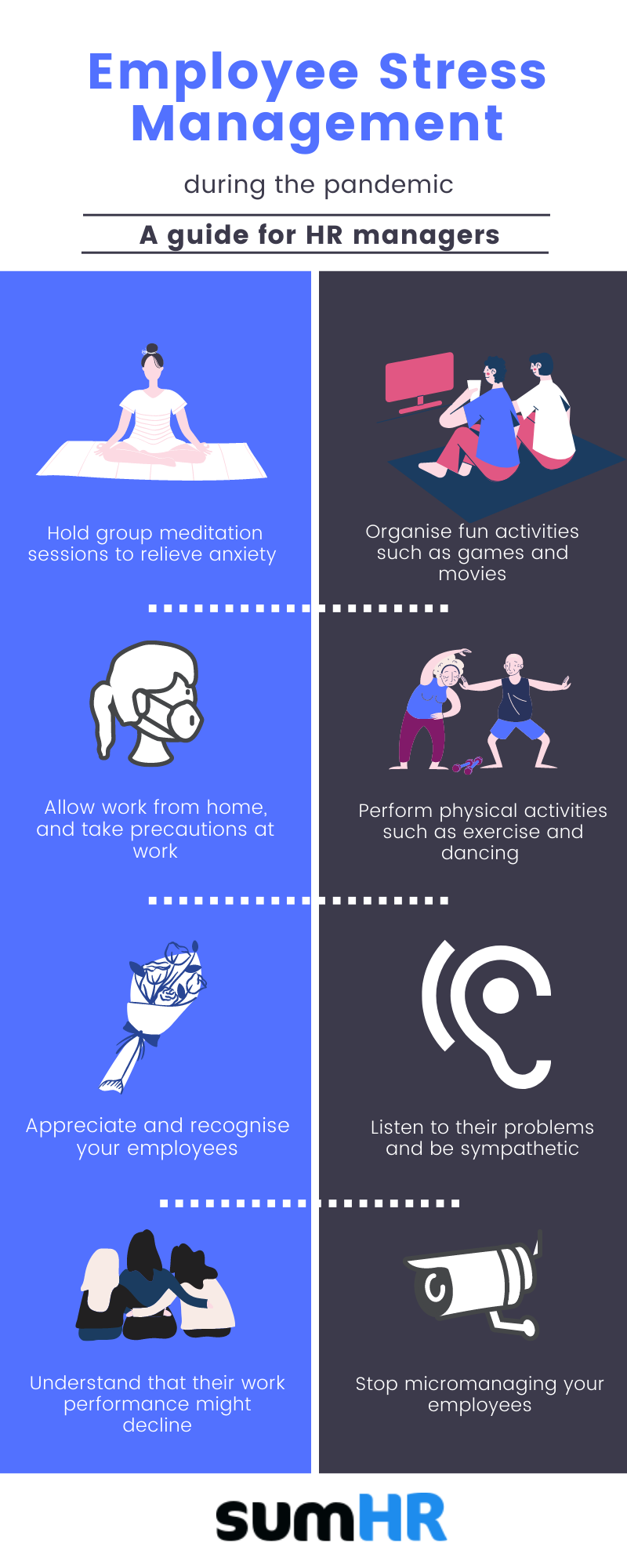
Employers play a significant role in creating a supportive work environment that prioritizes employee well-being. This can include promoting open communication, providing resources for managing stress, offering flexible work arrangements, encouraging breaks during the workday, and fostering a culture of collaboration and teamwork.
Encouraging Healthy Habits
Encouraging employees to adopt healthy habits can significantly reduce stress levels in the workplace. This can involve promoting regular exercise, healthy eating habits, adequate sleep, mindfulness practices, and time management techniques. Physical well-being directly impacts mental health and resilience against stress.
Providing Stress Management Programs
Employers can benefit from implementing stress management programs or workshops to educate employees on effective coping mechanisms and relaxation techniques. These programs may include mindfulness meditation sessions, yoga classes, breathing exercises, or access to counseling services. Empowering employees with tools to manage their stress can lead to increased job satisfaction and performance.
Monitoring Progress and Feedback
Regularly monitoring employee well-being through surveys or feedback sessions can help organizations gauge the effectiveness of their stress management initiatives. Adjustments can be made based on feedback received to ensure that interventions are tailored to meet the specific needs of employees.
Conclusion
In conclusion, prioritizing stress management in the workplace is essential for fostering a positive work environment where employees feel supported and valued. By identifying sources of stress, creating a supportive culture, encouraging healthy habits, providing programs for stress management, and monitoring progress regularly, organizations can promote employee well-being and enhance overall productivity.
Top Strategies and Techniques for Managing Stress in the Workplace
- What are the five stress management techniques at the workplace?
- How to handle pressure and stress at work?
- What are the 5 A’s of stress management?
- What are the 5 R’s of stress management?
What are the five stress management techniques at the workplace?
When it comes to stress management in the workplace, there are five key techniques that can help employees effectively cope with and reduce stress levels. Firstly, time management skills play a crucial role in prioritizing tasks and deadlines, thereby reducing feelings of being overwhelmed. Secondly, regular physical exercise can boost mood, reduce tension, and improve overall well-being. Thirdly, practicing mindfulness and relaxation techniques such as deep breathing exercises or meditation can help calm the mind and alleviate stress. Fourthly, setting boundaries and learning to say no when necessary can prevent excessive workloads and burnout. Lastly, seeking social support from colleagues or supervisors can provide a sense of camaraderie and shared problem-solving, contributing to a healthier work environment. By incorporating these stress management techniques into daily routines, employees can cultivate resilience and maintain a better work-life balance.
How to handle pressure and stress at work?
Handling pressure and stress at work requires a combination of self-awareness, effective coping strategies, and proactive measures. One key approach is to prioritize tasks based on urgency and importance, allowing for better time management and focus on critical responsibilities. Setting realistic goals and expectations, as well as communicating boundaries with colleagues or supervisors, can help manage workload stress. Additionally, practicing mindfulness techniques, such as deep breathing or meditation, can promote mental clarity and emotional resilience in challenging situations. Seeking support from coworkers, mentors, or professional resources when feeling overwhelmed is also crucial in maintaining well-being while navigating workplace pressures.
What are the 5 A’s of stress management?
The 5 A’s of stress management are a helpful framework that individuals can use to effectively cope with stress in the workplace. These principles include Awareness, Acceptance, Adaptation, Alteration, and Avoidance. Awareness involves recognizing and understanding the sources of stress. Acceptance emphasizes acknowledging that some stressors may be beyond one’s control. Adaptation encourages adjusting one’s mindset and behavior to better handle stressful situations. Alteration involves making proactive changes to address stressors directly. Avoidance suggests avoiding unnecessary stress triggers when possible. By applying these 5 A’s, individuals can develop resilience and improve their ability to manage workplace stress effectively.
What are the 5 R’s of stress management?
The 5 R’s of stress management are a helpful framework for effectively dealing with stress in the workplace. These principles include Recognize, Reframe, Relax, Release, and Recharge. Recognizing stress triggers and symptoms is the first step in addressing them. Reframing negative thoughts and perspectives can help shift focus towards more positive and constructive outlooks. Relaxation techniques such as deep breathing, mindfulness, or meditation can help calm the mind and body. Releasing tension through physical activity or expressive outlets like journaling can provide emotional release. Finally, recharging through self-care activities, hobbies, and time spent away from work can help restore energy levels and resilience against stressors. Incorporating the 5 R’s into daily practice can contribute to a healthier approach to managing workplace stress.