Understanding Stress Attack Symptoms
Stress is a common experience in today’s fast-paced world, and it can manifest in various ways, including stress attacks. These attacks can be overwhelming and debilitating, impacting both our physical and mental well-being. Recognizing the symptoms of a stress attack is crucial in managing and coping with stress effectively.
Common Symptoms of a Stress Attack:
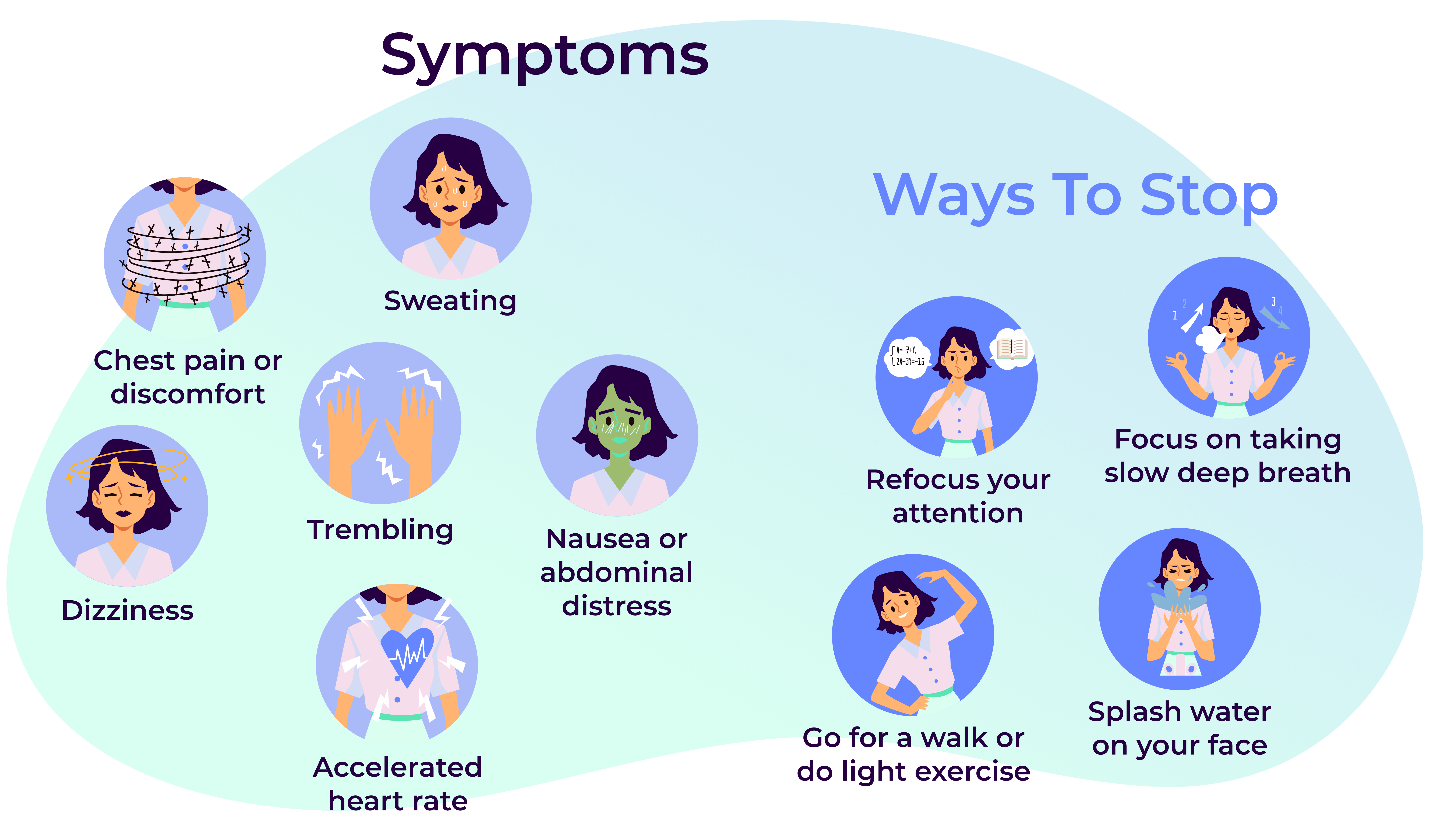
- Rapid Heartbeat: During a stress attack, you may experience a sudden increase in heart rate, palpitations, or chest tightness.
- Shortness of Breath: Feeling like you can’t catch your breath or experiencing shallow breathing are common signs of a stress attack.
- Sweating: Excessive sweating, especially when not related to physical exertion or heat, can be a symptom of heightened stress levels.
- Dizziness or Lightheadedness: Feeling dizzy or lightheaded during moments of intense stress is not uncommon.
- Panic or Anxiety: Intense feelings of panic, fear, or anxiety that seem to come out of nowhere are typical during a stress attack.
- Trembling or Shaking: Physical tremors or shaking hands and limbs can occur as a response to heightened stress levels.
- Cognitive Impairment: Difficulty concentrating, racing thoughts, memory problems, or feeling disoriented are cognitive symptoms that may accompany a stress attack.
Coping Strategies for Managing Stress Attacks:
If you experience symptoms of a stress attack, it’s essential to practice self-care and employ coping strategies to help alleviate the intensity of the episode. Some effective strategies include:
- Breathing Exercises: Deep breathing techniques can help regulate your breathing patterns and calm your nervous system.
- Progressive Muscle Relaxation: Tensing and then relaxing different muscle groups in your body can reduce physical tension caused by stress.
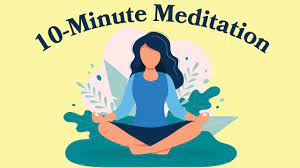
- Mindfulness Meditation: Practicing mindfulness can help you stay grounded in the present moment and reduce overwhelming thoughts and emotions.
- Talking to Someone: Sharing your feelings with a trusted friend, family member, or mental health professional can provide support during stressful times.
- Taking Breaks: Engaging in activities you enjoy, taking short breaks from stressful situations, and prioritizing self-care activities are essential for managing stress attacks.
If you frequently experience stress attacks that significantly impact your daily life and well-being, consider seeking professional help from a therapist or counselor. Remember that it’s okay to ask for support when dealing with overwhelming stress levels.
8 Signs You’re Experiencing a Stress Attack: How to Recognize and Address the Symptoms
- Feeling overwhelmed or unable to cope
- Experiencing racing thoughts or constant worrying
- Having difficulty concentrating or making decisions
- Feeling irritable, angry, or moody
- Experiencing physical symptoms like headaches, muscle tension, or stomach issues
- Changes in sleep patterns such as insomnia or oversleeping
- Avoiding social situations or withdrawing from activities you once enjoyed
- Feeling a sense of impending doom or panic
Feeling overwhelmed or unable to cope
Feeling overwhelmed or unable to cope is a common symptom of stress attacks that should not be ignored. When you experience a sense of being unable to handle your emotions or circumstances, it’s essential to acknowledge these feelings and seek support. This sensation can manifest in various ways, such as feeling paralyzed by tasks, experiencing intense worry or fear, or struggling to make decisions. Recognizing these signs early on can help you implement coping strategies and reach out for assistance from loved ones or mental health professionals. Remember, it’s okay to ask for help when you feel overwhelmed by stress.
Experiencing racing thoughts or constant worrying
Experiencing racing thoughts or constant worrying can be indicative of heightened stress levels and may contribute to the onset of stress attacks. When our minds are overwhelmed with racing thoughts and persistent worries, it can lead to increased anxiety and physical symptoms such as rapid heartbeat and shortness of breath. Recognizing this symptom is crucial in addressing underlying stressors and implementing strategies to calm the mind, such as mindfulness techniques, cognitive behavioral therapy, or relaxation exercises. Managing racing thoughts and excessive worrying is essential for maintaining mental well-being and reducing the risk of stress attacks.
Having difficulty concentrating or making decisions
Experiencing difficulty concentrating or making decisions can be a telling symptom of a stress attack. When overwhelmed by stress, our cognitive functions may be impaired, making it challenging to focus on tasks or process information effectively. This symptom can further exacerbate feelings of anxiety and frustration, adding to the overall impact of the stress attack on our mental well-being. Recognizing this sign early on can prompt us to take proactive steps to manage stress levels and seek support if needed to regain clarity and cognitive function.
Feeling irritable, angry, or moody
Feeling irritable, angry, or moody can be common symptoms of a stress attack. When stress levels are high, it can affect our emotional well-being, leading to increased irritability and mood swings. These feelings may arise suddenly and intensify during stressful situations, making it challenging to manage our emotions effectively. Recognizing these emotional symptoms is crucial in identifying when stress is impacting our mental health and taking proactive steps to address and alleviate these negative emotions.
Experiencing physical symptoms like headaches, muscle tension, or stomach issues
Experiencing physical symptoms such as headaches, muscle tension, or stomach issues can be indicative of underlying stress and anxiety levels. These physical manifestations often accompany stress attacks and serve as signals from our body that something may be amiss. Headaches, muscle tension, and digestive problems are common ways in which our bodies respond to heightened stress, highlighting the intricate connection between our mental and physical well-being. It’s important to pay attention to these symptoms as they can provide valuable insights into our overall stress levels and prompt us to take proactive steps towards managing stress effectively.
Changes in sleep patterns such as insomnia or oversleeping
Changes in sleep patterns, such as insomnia or oversleeping, can be significant indicators of stress attack symptoms. When experiencing heightened stress levels, our sleep can be greatly affected, leading to difficulties falling asleep, staying asleep, or sleeping excessively. Insomnia, characterized by trouble falling or staying asleep, can exacerbate feelings of anxiety and fatigue. On the other hand, oversleeping or excessive daytime napping may signal an attempt to escape from overwhelming stressors. Monitoring and addressing changes in sleep patterns are essential in recognizing and managing stress attacks effectively.
Avoiding social situations or withdrawing from activities you once enjoyed
Avoiding social situations or withdrawing from activities you once enjoyed can be a significant indicator of stress attack symptoms. When stress levels are high, individuals may feel overwhelmed by social interactions or lack the energy to participate in activities that used to bring them joy. This avoidance behavior can further exacerbate feelings of isolation and loneliness, impacting both mental and emotional well-being. It is essential to recognize these signs early on and seek support to address the underlying stressors causing such withdrawal, promoting healthier coping mechanisms and a return to a more balanced lifestyle.
Feeling a sense of impending doom or panic
Experiencing a sense of impending doom or panic can be a distressing symptom of a stress attack. This overwhelming feeling of impending catastrophe or intense fear can be alarming and may lead to heightened anxiety levels. Recognizing this symptom is crucial in addressing stress attacks effectively and seeking appropriate support and coping mechanisms to manage these intense emotions.