Anxiety: Understanding Its Meaning
Anxiety is a common and natural response to stress or perceived threats. It is the body’s way of alerting us to potential danger and preparing us to respond. While experiencing occasional anxiety is normal, persistent or excessive anxiety can have a significant impact on our daily lives.
There are different types of anxiety disorders, including generalized anxiety disorder, panic disorder, social anxiety disorder, and specific phobias. Each type has its own characteristics and symptoms, but they all involve feelings of fear, worry, and unease that can be overwhelming.
Physical symptoms of anxiety may include rapid heartbeat, sweating, trembling, fatigue, and difficulty breathing. Emotional symptoms can manifest as restlessness, irritability, trouble concentrating, and a sense of impending doom.
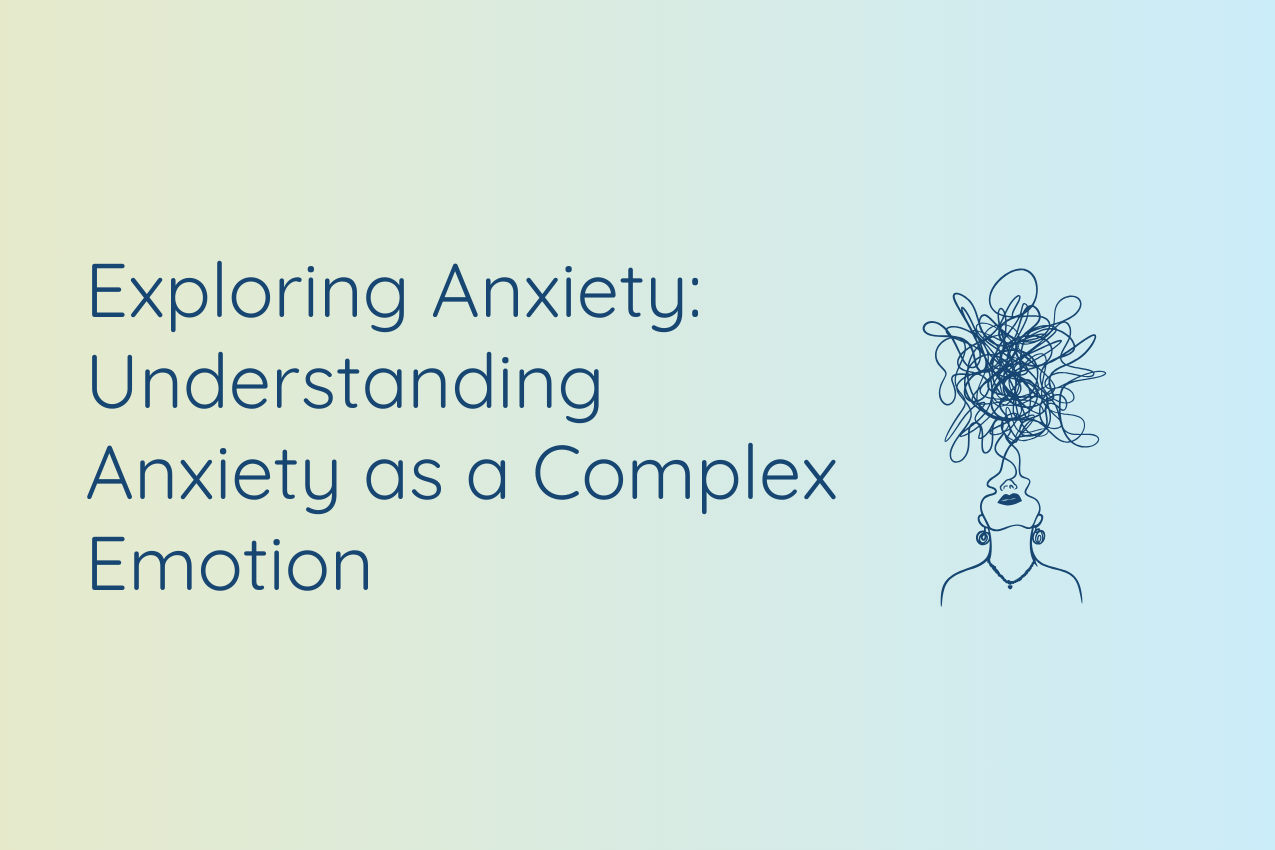
It’s important to recognize that anxiety is a complex emotional state that can be influenced by various factors such as genetics, brain chemistry, personality traits, and life experiences. Seeking professional help from a therapist or counselor can provide valuable support in managing anxiety and improving overall well-being.
Understanding the meaning of anxiety is the first step towards addressing it effectively. By learning coping mechanisms, relaxation techniques, and stress management strategies, individuals can learn to navigate their anxious thoughts and emotions in a healthier way.
If you or someone you know is struggling with anxiety, remember that help is available. Reach out to a mental health professional for guidance and support on your journey towards managing anxiety and reclaiming peace of mind.
Understanding Anxiety: Causes, Symptoms, and Coping Strategies
- Can you live a normal life with anxiety?
- What causes anxiety?
- What are 5 symptoms of anxiety?
- What are 5 coping skills for anxiety?
- What exactly is anxiety?
- What are 5 signs you have anxiety?
Can you live a normal life with anxiety?
Living a normal life with anxiety is indeed possible with the right support, coping mechanisms, and treatment. While anxiety can be challenging and disruptive, many individuals effectively manage their symptoms and lead fulfilling lives. Seeking help from mental health professionals, practicing self-care routines, learning relaxation techniques, and developing healthy coping strategies are all ways to navigate anxiety and maintain a sense of normalcy. It’s important to remember that everyone’s experience with anxiety is unique, and finding what works best for you is key to living a balanced and fulfilling life despite the challenges posed by anxiety.
What causes anxiety?
Anxiety can be caused by a variety of factors, including genetics, brain chemistry, personality traits, and life experiences. Some individuals may have a genetic predisposition to anxiety disorders, making them more susceptible to developing symptoms. Changes in brain chemistry, such as imbalances in neurotransmitters like serotonin and dopamine, can also contribute to the onset of anxiety. Additionally, certain personality traits, such as perfectionism or a tendency towards negative thinking, can increase one’s likelihood of experiencing anxiety. Traumatic events, chronic stress, and major life changes are common triggers for anxiety as they can disrupt a person’s sense of security and stability. Understanding the various causes of anxiety is essential in addressing the root of the issue and developing effective strategies for managing symptoms.
What are 5 symptoms of anxiety?
Anxiety can manifest itself in various ways, and recognizing its symptoms is crucial for seeking appropriate support and treatment. Five common symptoms of anxiety include persistent feelings of worry or dread, restlessness or irritability, difficulty concentrating or focusing, physical manifestations such as rapid heartbeat or sweating, and experiencing panic attacks characterized by sudden intense fear or discomfort. It’s important to remember that everyone’s experience with anxiety may differ, but being aware of these common symptoms can help individuals identify when they may be struggling with anxiety and take steps towards managing it effectively.
What are 5 coping skills for anxiety?
When facing anxiety, it’s essential to have effective coping skills to manage the overwhelming feelings that may arise. Five coping skills for anxiety include deep breathing exercises to calm the body and mind, practicing mindfulness to stay present and grounded, engaging in physical activity to release tension and boost endorphins, seeking social support from trusted individuals for comfort and perspective, and using positive self-talk to challenge negative thoughts and promote self-confidence. Incorporating these coping skills into daily routines can help individuals navigate anxiety more effectively and enhance their overall well-being.
What exactly is anxiety?
Anxiety is a natural response to stress or perceived threats, characterized by feelings of fear, worry, and unease. It is the body’s way of alerting us to potential danger and preparing us to respond. While occasional anxiety is normal, persistent or excessive anxiety can significantly impact our daily lives. Different types of anxiety disorders exist, each with its own set of symptoms and characteristics. Understanding that anxiety is a complex emotional state influenced by various factors such as genetics, brain chemistry, personality traits, and life experiences is crucial in addressing it effectively. Seeking help from a therapist or counselor can provide valuable support in managing anxiety and improving overall well-being.
What are 5 signs you have anxiety?
Recognizing the signs of anxiety is crucial for seeking appropriate support and managing this common mental health condition effectively. Five common signs that may indicate you have anxiety include persistent feelings of worry or fear, difficulty controlling anxious thoughts, physical symptoms such as rapid heartbeat or sweating, avoidance of certain situations due to anxiety, and disruptions in sleep patterns or concentration. If you identify with these signs and they significantly impact your daily life, it may be beneficial to consult with a mental health professional for a proper assessment and guidance on managing anxiety.