The Benefits of Progressive Muscle Relaxation Therapy
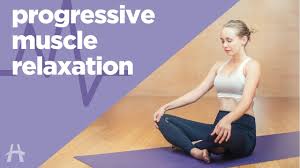
Progressive Muscle Relaxation (PMR) therapy is a technique that involves tensing and then relaxing specific muscle groups in a systematic way to promote physical and mental relaxation. This therapeutic method has been found to be effective in reducing stress, anxiety, and muscle tension.
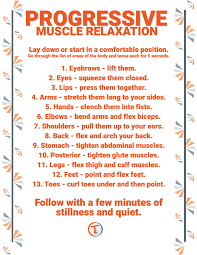
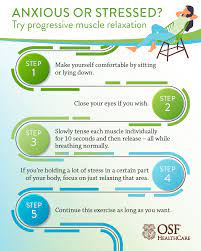
During a PMR session, a trained therapist guides the individual through a series of exercises that target different muscle groups. By intentionally tensing each muscle group for a few seconds and then releasing the tension, individuals can become more aware of their body’s sensations and learn to recognize when they are holding onto stress or tension.
One of the key benefits of PMR therapy is its ability to help individuals achieve a state of deep relaxation. By regularly practicing PMR techniques, individuals can lower their overall levels of stress and anxiety, leading to improved sleep quality, better mood regulation, and enhanced overall well-being.
In addition to its mental health benefits, PMR therapy can also have positive effects on physical health. Chronic muscle tension can contribute to headaches, body aches, and other physical discomforts. By learning how to release this tension through PMR exercises, individuals may experience relief from these symptoms and improve their overall physical comfort.
Overall, Progressive Muscle Relaxation therapy offers a holistic approach to managing stress and promoting relaxation. Whether used as a standalone treatment or in conjunction with other therapeutic techniques, PMR can be a valuable tool for enhancing both mental and physical well-being.
Five Benefits of Progressive Muscle Relaxation Therapy: A Path to Stress Relief and Enhanced Well-Being
- Effective in reducing stress and anxiety
- Promotes physical and mental relaxation
- Enhances body awareness and muscle tension recognition
- Improves sleep quality and mood regulation
- Offers holistic approach to managing stress
Challenges of Progressive Muscle Relaxation Therapy: Understanding Potential Limitations
- Requires consistent practice to see long-term benefits
- May not be suitable for individuals with certain physical limitations or injuries
- Some individuals may find it challenging to fully relax during the exercises
- Not a quick-fix solution and may take time to master the technique
- Can be difficult for individuals with high levels of anxiety to focus on muscle relaxation
- May not be effective for everyone and alternative therapies may be more beneficial
Effective in reducing stress and anxiety
Progressive Muscle Relaxation therapy has been proven to be highly effective in reducing stress and anxiety levels. By systematically tensing and then relaxing specific muscle groups, individuals can release physical and mental tension, leading to a profound sense of relaxation. This therapeutic technique helps individuals become more aware of their body’s response to stressors and teaches them how to actively relax their muscles, ultimately promoting a state of calmness and tranquility. The ability of Progressive Muscle Relaxation therapy to alleviate stress and anxiety makes it a valuable tool for enhancing overall well-being and improving mental health.
Promotes physical and mental relaxation
Progressive Muscle Relaxation therapy is highly beneficial as it promotes both physical and mental relaxation. By engaging in systematic muscle tensing and releasing exercises, individuals can experience a deep sense of calmness and relief from stress and tension. This technique not only helps in relaxing the body by targeting specific muscle groups but also aids in calming the mind, leading to reduced anxiety levels and an overall sense of well-being. The combination of physical and mental relaxation achieved through Progressive Muscle Relaxation therapy makes it a powerful tool for managing stress and improving overall health.
Enhances body awareness and muscle tension recognition
Progressive Muscle Relaxation therapy aids in enhancing body awareness and muscle tension recognition by guiding individuals through a series of exercises that involve intentionally tensing and relaxing specific muscle groups. Through this process, individuals become more attuned to the sensations in their bodies, allowing them to identify areas of tension and stress more effectively. By developing this heightened awareness, individuals can proactively address muscle tension before it escalates, leading to improved overall relaxation and well-being.
Improves sleep quality and mood regulation
Progressive Muscle Relaxation therapy has been shown to significantly improve sleep quality and mood regulation. By engaging in the practice of systematically tensing and relaxing muscle groups, individuals can release tension, reduce stress, and promote relaxation, all of which contribute to better sleep patterns. As a result, improved sleep quality leads to enhanced mood regulation, helping individuals feel more balanced, calm, and emotionally stable throughout the day. The therapeutic benefits of Progressive Muscle Relaxation aid in creating a harmonious mind-body connection that supports overall well-being.
Offers holistic approach to managing stress
Progressive Muscle Relaxation therapy offers a holistic approach to managing stress by addressing both the physical and mental components of stress management. By systematically targeting muscle tension and promoting relaxation throughout the body, this therapeutic technique helps individuals release physical stress while also calming the mind. By integrating mind-body relaxation practices, PMR therapy provides a comprehensive approach to reducing stress levels and promoting overall well-being.
Requires consistent practice to see long-term benefits
One potential downside of progressive muscle relaxation therapy is that it requires consistent practice to see long-term benefits. While the technique can be effective in promoting relaxation and reducing stress, individuals must commit to regular practice sessions to experience lasting results. For some people, maintaining a consistent routine of practicing PMR exercises may be challenging due to busy schedules or difficulty in establishing new habits. Without regular practice, the benefits of PMR therapy may diminish over time, highlighting the importance of dedication and commitment to fully reap the rewards of this relaxation technique.
May not be suitable for individuals with certain physical limitations or injuries
Progressive Muscle Relaxation therapy may not be suitable for individuals with certain physical limitations or injuries. The practice involves intentionally tensing and relaxing specific muscle groups, which could potentially exacerbate existing physical conditions or cause discomfort for individuals with injuries. It is important for individuals with physical limitations to consult with a healthcare provider or a qualified therapist before engaging in PMR therapy to ensure that the exercises are safe and appropriate for their specific needs. Alternative relaxation techniques may be recommended for those who are unable to participate in traditional PMR exercises due to physical constraints.
Some individuals may find it challenging to fully relax during the exercises
Some individuals may encounter difficulty in fully relaxing during Progressive Muscle Relaxation therapy exercises. This challenge can stem from various factors such as high levels of stress, underlying anxiety, or an inability to let go of muscle tension. For these individuals, the process of intentionally tensing and then relaxing specific muscle groups may feel unnatural or uncomfortable, hindering their ability to achieve a deep state of relaxation. In such cases, it is important for therapists to provide additional support and guidance to help individuals overcome these barriers and gradually build their relaxation skills over time.
Not a quick-fix solution and may take time to master the technique
One con of Progressive Muscle Relaxation therapy is that it is not a quick-fix solution and may require time and practice to master the technique effectively. While some individuals may expect immediate results or relief from stress and tension, the benefits of PMR therapy often come with consistent and dedicated practice over time. Learning to effectively tense and relax specific muscle groups in a systematic way can take patience and persistence, as individuals need to develop awareness of their body’s responses and hone their relaxation skills through regular practice sessions. Despite its potential long-term benefits, the time investment required to fully grasp the technique may be a drawback for those seeking more immediate solutions to stress management.
Can be difficult for individuals with high levels of anxiety to focus on muscle relaxation
For individuals with high levels of anxiety, focusing on muscle relaxation during Progressive Muscle Relaxation therapy can present a significant challenge. The intense feelings of anxiety may make it difficult for them to concentrate on the specific muscle groups being tensed and relaxed, hindering their ability to fully engage in the therapeutic process. The heightened state of alertness and tension that often accompanies anxiety can interfere with the individual’s ability to experience the intended benefits of PMR, such as stress reduction and relaxation. In such cases, additional support and guidance from a trained therapist may be necessary to help individuals overcome this obstacle and effectively utilize Progressive Muscle Relaxation as a tool for managing their anxiety.
May not be effective for everyone and alternative therapies may be more beneficial
Progressive Muscle Relaxation therapy, while effective for many individuals, may not be suitable or effective for everyone. It is important to recognize that each person responds differently to therapeutic techniques, and what works well for one individual may not have the same impact on another. In some cases, alternative therapies or relaxation techniques tailored to an individual’s specific needs and preferences may be more beneficial in promoting relaxation and reducing stress. It is essential for individuals seeking therapeutic aid to explore different options and work with a qualified therapist to find the approach that best suits their unique circumstances and goals.