The Impact of Stress and Anxiety on Your Body and Mind
Stress and anxiety are common experiences in today’s fast-paced world, but when left unchecked, they can have profound effects on both your physical and mental well-being. Understanding the symptoms of stress and anxiety is crucial for recognizing when you may need to seek help or make changes in your lifestyle.
Physical Symptoms of Stress and Anxiety
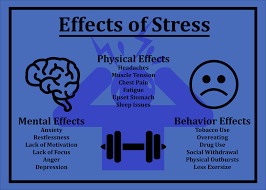
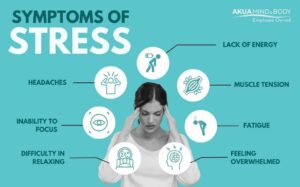
Stress and anxiety can manifest in a variety of physical symptoms, including:
- Increased heart rate
- Rapid breathing or shortness of breath
- Muscle tension or headaches
- Gastrointestinal issues like stomach pain or nausea
- Fatigue or insomnia
- Weakened immune system leading to frequent illnesses
- Changes in appetite, either overeating or undereating
- Skin problems like acne or eczema flare-ups
Mental and Emotional Symptoms of Stress and Anxiety
Alongside physical symptoms, stress and anxiety can also affect your mental health, leading to:
- Feelings of constant worry or dread
- Irritability or mood swings
- Trouble concentrating or making decisions
- Persistent negative thoughts or racing mind
- Feelings of overwhelm or inability to cope with daily tasks
- Social withdrawal or isolation from others
- Panic attacks characterized by sudden intense fear or discomfort
Coping Strategies for Managing Stress and Anxiety Symptoms
If you’re experiencing any of these symptoms, it’s essential to prioritize self-care and seek support from healthcare professionals. Some strategies for managing stress and anxiety include:
- Regular exercise to release tension and improve mood.
- Practicing relaxation techniques like deep breathing, meditation, or yoga.
- Maintaining a healthy diet rich in fruits, vegetables, whole grains, and lean proteins.
- Prioritizing sleep by establishing a bedtime routine and aiming for 7-9 hours of quality sleep each night.
- Talking to a therapist or counselor to address underlying issues contributing to stress and anxiety.
- Engaging in activities you enjoy that promote relaxation and joy.
- Setting boundaries with work, relationships, and obligations to reduce overwhelm.
Remember that everyone experiences stress and anxiety differently, so it’s important to find coping strategies that work best for you. By recognizing the symptoms early on and taking proactive steps to manage them, you can improve your overall well-being and quality of life.
Understanding Stress and Anxiety: Answers to 9 Common Questions About Symptoms and Management
- What are the common physical symptoms of stress and anxiety?
- How do stress and anxiety affect mental health?
- What are the differences between stress and anxiety symptoms?
- Can stress and anxiety cause physical health problems?
- What are some effective coping strategies for managing stress and anxiety symptoms?
- When should I seek professional help for my stress and anxiety symptoms?
- Are there lifestyle changes that can help reduce stress and anxiety symptoms?
- Can untreated stress and anxiety lead to more severe mental health conditions?
- How can I differentiate between normal levels of stress/anxiety and when it becomes a serious issue?
What are the common physical symptoms of stress and anxiety?
Common physical symptoms of stress and anxiety include increased heart rate, rapid breathing or shortness of breath, muscle tension or headaches, gastrointestinal issues like stomach pain or nausea, fatigue or insomnia, weakened immune system leading to frequent illnesses, changes in appetite (either overeating or undereating), and skin problems like acne or eczema flare-ups. These physical manifestations serve as important signals that our body is responding to stress and anxiety, prompting us to take steps to address our mental and emotional well-being for overall health.
How do stress and anxiety affect mental health?
Stress and anxiety can have a significant impact on mental health, affecting individuals in various ways. When experiencing prolonged stress or anxiety, it can lead to heightened levels of cortisol, the stress hormone, which may disrupt the brain’s neurotransmitters and contribute to mood disorders such as depression or anxiety disorders. Additionally, chronic stress and anxiety can impair cognitive function, making it difficult to concentrate, make decisions, or retain information. Over time, untreated stress and anxiety can exacerbate existing mental health conditions or even lead to the development of new ones. It is essential to address stress and anxiety promptly through healthy coping mechanisms and professional support to safeguard mental well-being.
What are the differences between stress and anxiety symptoms?
When considering the differences between stress and anxiety symptoms, it’s important to understand that while they can often overlap and share similar manifestations, they stem from distinct sources. Stress is typically a response to external pressures or demands, leading to feelings of pressure, tension, or overwhelm. On the other hand, anxiety tends to be more focused on internal worries or fears about future uncertainties, often accompanied by a sense of apprehension or unease. While stress is usually tied to specific events or situations and can motivate action, anxiety tends to be more pervasive and persistent, affecting daily functioning and overall well-being. Recognizing these nuances can help individuals better identify and address their unique experiences of stress and anxiety.
Can stress and anxiety cause physical health problems?
Yes, stress and anxiety can indeed cause physical health problems. When left unmanaged, chronic stress and anxiety can take a toll on the body, leading to a range of physical symptoms and potential health issues. The body’s natural response to stress, known as the fight-or-flight response, can trigger physiological changes such as increased heart rate, elevated blood pressure, and heightened muscle tension. Prolonged activation of this response can weaken the immune system, disrupt digestion, and contribute to conditions like cardiovascular disease, gastrointestinal disorders, and skin problems. Additionally, ongoing anxiety can impact sleep quality, appetite regulation, and overall energy levels. It is essential to address stress and anxiety proactively through healthy coping mechanisms to mitigate their impact on physical health.
What are some effective coping strategies for managing stress and anxiety symptoms?
When it comes to managing stress and anxiety symptoms, there are several effective coping strategies that can help individuals navigate these challenges. Engaging in regular physical exercise, such as yoga or walking, can release tension and promote a sense of well-being. Practicing mindfulness techniques, like deep breathing or meditation, can help calm the mind and reduce feelings of anxiety. Additionally, maintaining a healthy lifestyle through proper nutrition, adequate sleep, and setting boundaries to prioritize self-care can play a significant role in managing stress and anxiety symptoms effectively. Seeking support from mental health professionals or participating in therapy sessions can also provide valuable tools and strategies for coping with stress and anxiety in a healthy way.
When should I seek professional help for my stress and anxiety symptoms?
Recognizing when to seek professional help for stress and anxiety symptoms is crucial for managing your mental well-being effectively. If you find that your symptoms significantly interfere with your daily life, such as impacting your work, relationships, or overall quality of life, it may be time to consult a healthcare professional. Additionally, if you experience severe physical symptoms like chest pain, difficulty breathing, or dizziness during episodes of stress and anxiety, seeking immediate medical attention is essential. A mental health professional can provide you with the necessary support, guidance, and treatment options tailored to your specific needs, helping you navigate through challenging times and regain a sense of balance and peace of mind.
Are there lifestyle changes that can help reduce stress and anxiety symptoms?
Making lifestyle changes can significantly reduce stress and anxiety symptoms. By incorporating healthy habits into your daily routine, such as regular exercise, mindful relaxation techniques, a balanced diet, quality sleep, and setting boundaries to manage workload and relationships, you can effectively lower stress levels and alleviate anxiety. Engaging in activities that bring joy and practicing self-care are also essential in promoting mental well-being. It’s important to tailor these lifestyle changes to suit your individual needs and preferences to create a sustainable path toward reducing stress and anxiety symptoms over time.
Can untreated stress and anxiety lead to more severe mental health conditions?
Untreated stress and anxiety can indeed lead to more severe mental health conditions if left unaddressed. Prolonged exposure to high levels of stress hormones can have detrimental effects on the brain and body, increasing the risk of developing conditions such as depression, panic disorder, and even post-traumatic stress disorder (PTSD). Chronic stress and anxiety can also exacerbate existing mental health issues, making it crucial to seek help and implement healthy coping strategies early on to prevent further complications. Prioritizing self-care, seeking support from mental health professionals, and practicing stress management techniques are essential in managing stress and anxiety to safeguard overall mental well-being.
How can I differentiate between normal levels of stress/anxiety and when it becomes a serious issue?
It can be challenging to differentiate between normal levels of stress and anxiety and when it escalates into a more serious issue. Generally, normal stress and anxiety are temporary responses to specific situations or events, while persistent or overwhelming feelings that interfere with daily life could indicate a more serious problem. Pay attention to the duration, intensity, and frequency of your symptoms. If you find that your stress and anxiety are persistent, impacting your ability to function, or causing physical symptoms like insomnia or digestive issues, it may be time to seek professional help from a healthcare provider or mental health professional for proper evaluation and support.