Understanding DSM-5 Insomnia
Insomnia is a common sleep disorder that affects millions of people worldwide. In the Diagnostic and Statistical Manual of Mental Disorders, Fifth Edition (DSM-5), insomnia is classified as a primary disorder when it is not directly associated with another medical condition or substance use.
According to the DSM-5 criteria, individuals with insomnia may experience difficulty falling asleep, staying asleep, or waking up too early and not being able to fall back asleep. These symptoms must occur at least three nights per week for a duration of three months or longer to meet the diagnostic criteria for insomnia.
Insomnia can have a significant impact on an individual’s quality of life, leading to daytime fatigue, irritability, difficulty concentrating, and impaired performance at work or school. Chronic insomnia can also increase the risk of developing other mental health conditions such as depression and anxiety.
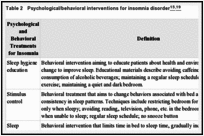
Treatment for DSM-5 insomnia may involve a combination of cognitive-behavioral therapy for insomnia (CBT-I), sleep hygiene practices, relaxation techniques, and in some cases, medication. It is important for individuals experiencing persistent sleep difficulties to seek help from healthcare professionals to properly diagnose and manage their condition.
By raising awareness about DSM-5 insomnia and its impact on overall well-being, we can work towards promoting better sleep habits and improving the quality of life for those affected by this common sleep disorder.
Understanding DSM-5 Insomnia: Classification, Symptoms, Diagnosis, Impact, and Treatment Options
- What is DSM-5 insomnia?
- How is insomnia classified in the DSM-5?
- What are the common symptoms of DSM-5 insomnia?
- How often do symptoms need to occur to meet the diagnostic criteria for insomnia in DSM-5?
- What are the potential impacts of chronic insomnia on an individual’s health and well-being?
- What are some common treatment options for DSM-5 insomnia?
What is DSM-5 insomnia?
DSM-5 insomnia refers to a specific classification of insomnia outlined in the Diagnostic and Statistical Manual of Mental Disorders, Fifth Edition. It characterizes insomnia as a primary disorder when it occurs independently of other medical conditions or substance use. Individuals with DSM-5 insomnia may struggle with difficulties falling asleep, staying asleep, or waking up too early and not being able to return to sleep. These symptoms must occur at least three nights per week for a duration of three months or longer to meet the diagnostic criteria. Understanding DSM-5 insomnia is essential for proper diagnosis and treatment, as it can significantly impact an individual’s overall well-being and quality of life.
How is insomnia classified in the DSM-5?
In the DSM-5, insomnia is classified as a primary disorder when it occurs independently of other medical conditions or substance use. The criteria for diagnosing insomnia in the DSM-5 include experiencing difficulty falling asleep, staying asleep, or waking up too early and not being able to fall back asleep on at least three nights per week for a duration of three months or longer. By outlining specific parameters for diagnosing insomnia, the DSM-5 provides healthcare professionals with a standardized framework to assess and address this common sleep disorder effectively.
What are the common symptoms of DSM-5 insomnia?
Common symptoms of DSM-5 insomnia include difficulty falling asleep, staying asleep, or waking up too early and not being able to fall back asleep. Individuals with insomnia may also experience daytime fatigue, irritability, difficulty concentrating, and impaired performance at work or school. These symptoms must occur at least three nights per week for a duration of three months or longer to meet the diagnostic criteria for insomnia according to the DSM-5 guidelines. It is important for individuals experiencing these symptoms to seek professional help to properly diagnose and manage their condition for better sleep and overall well-being.
How often do symptoms need to occur to meet the diagnostic criteria for insomnia in DSM-5?
In the context of DSM-5 insomnia, the diagnostic criteria require symptoms to occur at least three nights per week for a duration of three months or longer to meet the criteria for insomnia. This frequency of occurrence is a key factor in distinguishing occasional sleep difficulties from a clinical diagnosis of insomnia. By setting specific parameters for symptom frequency and duration, the DSM-5 provides healthcare professionals with clear guidelines for identifying and diagnosing individuals who may be experiencing chronic sleep disturbances that warrant intervention and treatment.
What are the potential impacts of chronic insomnia on an individual’s health and well-being?
Chronic insomnia can have significant impacts on an individual’s health and well-being. Prolonged sleep disturbances can lead to daytime fatigue, irritability, difficulty concentrating, and impaired cognitive function. In addition, chronic insomnia is associated with an increased risk of developing mental health conditions such as depression and anxiety. Poor sleep quality can also weaken the immune system, making individuals more susceptible to illnesses and affecting their overall physical health. Addressing chronic insomnia is crucial not only for improving sleep quality but also for safeguarding one’s mental and physical well-being in the long term.
What are some common treatment options for DSM-5 insomnia?
Common treatment options for DSM-5 insomnia typically include cognitive-behavioral therapy for insomnia (CBT-I), which focuses on changing behaviors and thoughts that contribute to sleep difficulties. Sleep hygiene practices, such as maintaining a consistent sleep schedule, creating a relaxing bedtime routine, and avoiding stimulants like caffeine before bed, are also recommended. Additionally, relaxation techniques like deep breathing exercises or progressive muscle relaxation can help promote better sleep. In some cases, healthcare providers may prescribe medications to aid in managing insomnia symptoms, but these are usually considered as a short-term solution. It is important for individuals experiencing insomnia to consult with a healthcare professional to determine the most appropriate treatment plan based on their specific needs and circumstances.