The Impact of Stress on Depression
Stress and depression are two common mental health issues that often go hand in hand. While stress is a natural response to challenging situations, prolonged or excessive stress can lead to depression. Understanding the relationship between stress and depression is crucial for managing and preventing these conditions.
How Stress Contributes to Depression
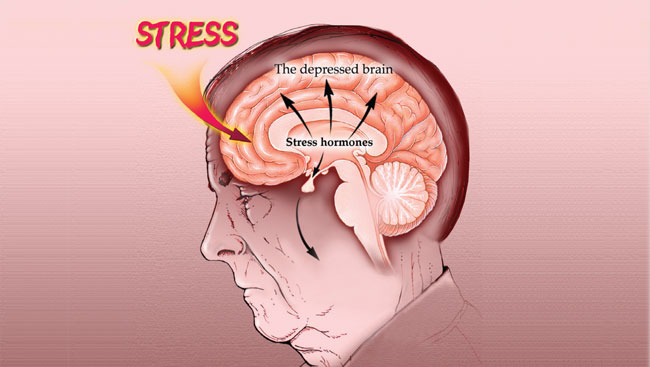
Chronic stress can disrupt the balance of chemicals in the brain, such as serotonin and dopamine, which are responsible for regulating mood. This imbalance can contribute to the development of depression. Additionally, ongoing stress can impact sleep patterns, appetite, and overall well-being, further exacerbating depressive symptoms.
Coping Strategies for Managing Stress and Depression
There are various strategies that can help individuals cope with stress and prevent it from escalating into depression:
- Exercise: Physical activity releases endorphins, which are natural mood lifters. Regular exercise can help reduce stress levels and improve overall mental health.
- Healthy Lifestyle: Eating a balanced diet, getting enough sleep, and avoiding substances like alcohol and drugs can support mental well-being.
- Stress Management Techniques: Practices such as mindfulness meditation, deep breathing exercises, and progressive muscle relaxation can help reduce stress levels and promote relaxation.
- Social Support: Connecting with friends, family members, or support groups can provide emotional support during times of stress and help prevent feelings of isolation.
- Professional Help: Seeking therapy or counseling from a mental health professional can provide valuable tools for managing stress and addressing underlying issues contributing to depression.
Conclusion
Recognizing the impact of stress on depression is essential for taking proactive steps to manage these conditions. By implementing healthy coping strategies, seeking support when needed, and prioritizing self-care, individuals can effectively navigate periods of high stress while safeguarding their mental well-being.
6 Positive Outcomes from Navigating Stress and Depression
- Increased awareness of mental health issues
- Opportunity for personal growth and self-discovery
- Development of coping strategies for managing stress
- Greater empathy and understanding towards others facing similar challenges
- Access to support networks and resources for mental health assistance
- Potential for positive changes in lifestyle and perspective through overcoming depression
The Hidden Costs of Stress Depression: Mental Health Risks, Physical Health Impacts, and Daily Life Disruptions
- Increased risk of developing other mental health disorders
- Negative impact on physical health, such as weakened immune system and increased risk of chronic diseases
- Interference with daily functioning, including work performance and relationships
Increased awareness of mental health issues
Increased awareness of mental health issues is a significant pro that can result from stress-induced depression. When individuals experience the effects of stress leading to depression, it often prompts them to pay closer attention to their mental well-being and seek help when needed. This heightened awareness can lead to destigmatizing conversations around mental health, encouraging open dialogue, and promoting a better understanding of the importance of self-care and seeking professional support. Ultimately, increased awareness of mental health issues stemming from stress-induced depression can pave the way for improved mental health outcomes and a more supportive environment for those struggling with similar challenges.
Opportunity for personal growth and self-discovery
Experiencing stress and depression can provide individuals with a unique opportunity for personal growth and self-discovery. Through navigating challenging emotions and situations, individuals can develop resilience, self-awareness, and coping strategies that contribute to their overall growth and well-being. By exploring the root causes of their stress and depression, individuals may uncover deeper insights into themselves, their values, and their priorities. This process of self-discovery can lead to positive changes in mindset, behavior, and relationships, ultimately fostering personal growth and a stronger sense of self.
Development of coping strategies for managing stress
The presence of stress-induced depression can lead to the development of effective coping strategies for managing stress. Individuals experiencing the impact of stress on their mental health are often motivated to explore and adopt various techniques to alleviate their symptoms and improve their well-being. This process of seeking out coping mechanisms can empower individuals to build resilience, enhance self-awareness, and cultivate healthier responses to stressful situations. By actively engaging in the exploration and implementation of coping strategies, individuals can not only mitigate the effects of stress-induced depression but also develop valuable skills for navigating future challenges with greater ease and confidence.
Greater empathy and understanding towards others facing similar challenges
Experiencing stress and depression can cultivate a greater sense of empathy and understanding towards others who are facing similar challenges. Through personal struggles, individuals often develop a heightened sensitivity to the emotional turmoil that accompanies mental health issues. This increased empathy enables them to offer support, compassion, and a non-judgmental ear to those navigating similar difficulties, fostering deeper connections and solidarity within the community of individuals affected by stress and depression.
Access to support networks and resources for mental health assistance
Access to support networks and resources for mental health assistance is a significant pro of stress-related depression. When individuals experience stress that leads to depression, they are more likely to seek help and connect with available support systems. This can include reaching out to friends, family members, support groups, or mental health professionals for guidance and assistance. Having access to these networks and resources can provide valuable emotional support, coping strategies, and treatment options to help individuals navigate their mental health challenges effectively. The availability of such support systems plays a crucial role in promoting positive mental well-being and facilitating the recovery process for those experiencing stress-related depression.
Potential for positive changes in lifestyle and perspective through overcoming depression
Overcoming depression can lead to positive changes in lifestyle and perspective. Through the process of managing and overcoming depression, individuals often develop a greater sense of self-awareness, resilience, and strength. This journey can inspire individuals to reassess their priorities, cultivate healthier habits, and adopt a more optimistic outlook on life. By confronting and overcoming the challenges associated with depression, individuals have the opportunity to emerge with a newfound appreciation for life, deeper connections with others, and a greater capacity for personal growth and fulfillment.
Increased risk of developing other mental health disorders
Prolonged stress and depression not only impact mental health on their own but also increase the risk of developing other mental health disorders. Individuals experiencing chronic stress and depression are more vulnerable to conditions such as anxiety disorders, substance abuse, eating disorders, and even personality disorders. The interplay between stress, depression, and these additional mental health issues can create a complex web of challenges that require comprehensive treatment and support. Addressing stress and depression early on is crucial in mitigating the risk of developing further mental health complications.
Negative impact on physical health, such as weakened immune system and increased risk of chronic diseases
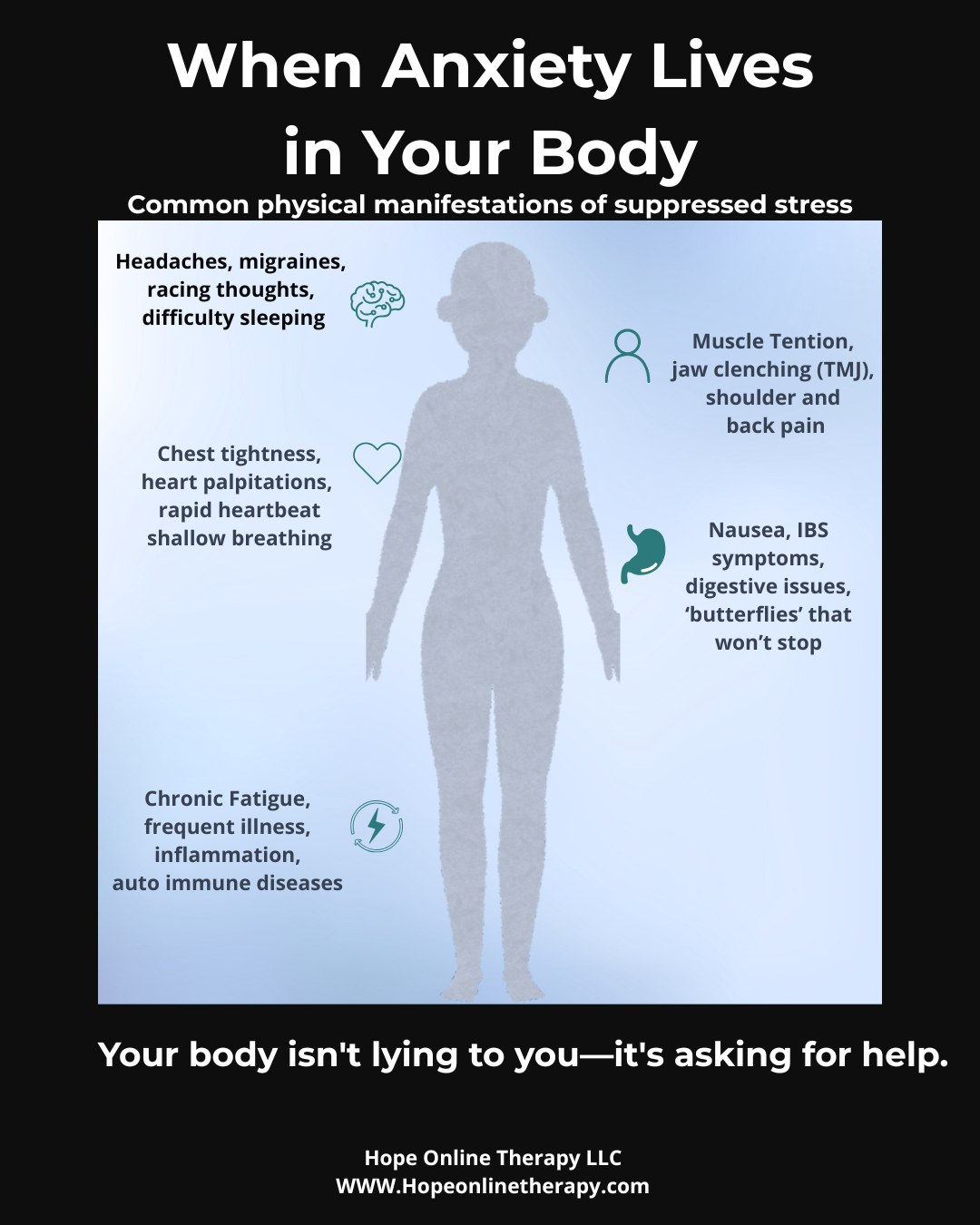
Prolonged stress and depression can have a detrimental effect on physical health, manifesting in a weakened immune system and an elevated risk of chronic diseases. When the body is under constant stress, the immune system’s ability to defend against illnesses and infections may be compromised, making individuals more susceptible to getting sick. Moreover, chronic stress can trigger inflammation in the body, which is linked to various chronic conditions like heart disease, diabetes, and autoimmune disorders. Addressing stress and depression is crucial not only for mental well-being but also for maintaining overall physical health and reducing the likelihood of developing serious medical conditions.
Interference with daily functioning, including work performance and relationships
Stress and depression can significantly interfere with daily functioning, affecting work performance and relationships. When individuals are overwhelmed by stress or grappling with depressive symptoms, their ability to concentrate, make decisions, and engage effectively in their work may be compromised. This can lead to decreased productivity, absenteeism, and strained professional relationships. Similarly, the impact of stress and depression on personal relationships can be profound, causing communication breakdowns, emotional distance, and conflicts. The inability to manage stress and depression effectively can have far-reaching consequences on one’s overall well-being and quality of life.