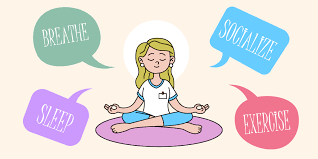
Healthy Ways to Deal with Stress
Stress is a common part of life, but how we manage it can greatly impact our overall well-being. Instead of letting stress overwhelm you, consider incorporating these healthy strategies into your daily routine:
Exercise Regularly
Physical activity is a powerful stress reliever. Whether it’s going for a run, practicing yoga, or taking a brisk walk, exercise can help reduce tension and boost your mood.
Practice Mindfulness and Meditation
Take time each day to practice mindfulness or meditation. These techniques can help you stay present, calm your mind, and reduce stress levels.
Maintain a Healthy Diet
Eating a balanced diet rich in fruits, vegetables, whole grains, and lean proteins can support your body in managing stress. Avoid excessive caffeine and sugar intake, as they can contribute to increased anxiety.
Get Adequate Sleep
Prioritize getting enough sleep each night. Lack of sleep can exacerbate stress levels and make it harder for you to cope with daily challenges.
Connect with Others
Reach out to friends or family members for support when you’re feeling stressed. Talking about your feelings and experiences can help you feel understood and less alone.
Engage in Relaxation Techniques
Try relaxation techniques such as deep breathing exercises, progressive muscle relaxation, or listening to calming music to help calm your mind and body during stressful times.
Set Boundaries and Prioritize Self-Care
Learn to say no to activities or commitments that cause you undue stress. Prioritize self-care activities that bring you joy and relaxation.
By incorporating these healthy ways to deal with stress into your routine, you can better manage the challenges that come your way and improve your overall quality of life.
Top 5 Healthy Strategies to Effectively Manage Stress
- Regular exercise can help reduce tension and boost mood.
- Practicing mindfulness and meditation can calm the mind and lower stress levels.
- Maintaining a healthy diet supports the body in managing stress effectively.
- Adequate sleep is crucial for reducing stress and improving coping mechanisms.
- Connecting with others for support can help alleviate feelings of isolation during stressful times.
Challenges of Embracing Healthy Stress Management Techniques
- Requires consistent effort and commitment
- May take time to see noticeable results
- Some techniques may not work for everyone
- Can be challenging to maintain new habits
- May require seeking professional guidance or support
- Initial discomfort when trying unfamiliar relaxation methods
- Potential resistance from others who may not understand the importance of stress management
Regular exercise can help reduce tension and boost mood.
Regular exercise is a powerful tool in managing stress effectively. Engaging in physical activity not only helps to release pent-up tension in the body but also has a positive impact on mood. Exercise triggers the release of endorphins, often referred to as “feel-good” hormones, which can elevate your spirits and reduce feelings of anxiety and stress. By making regular exercise a part of your routine, you can experience the dual benefits of physical well-being and improved mental health, ultimately leading to a more balanced and resilient approach to handling life’s challenges.
Practicing mindfulness and meditation can calm the mind and lower stress levels.
Practicing mindfulness and meditation offers a powerful way to calm the mind and reduce stress levels. By focusing on the present moment and cultivating a sense of awareness, individuals can gain better control over their thoughts and emotions. These practices help in quieting the mind, promoting relaxation, and fostering a sense of inner peace. As stress levels decrease, individuals may experience improved mental clarity, emotional stability, and overall well-being. Incorporating mindfulness and meditation into daily routines can be a valuable tool in managing stress effectively.
Maintaining a healthy diet supports the body in managing stress effectively.
Maintaining a healthy diet plays a crucial role in supporting the body’s ability to manage stress effectively. Eating a balanced diet rich in nutrients provides the body with the energy and resources it needs to cope with daily challenges. Foods that are high in vitamins, minerals, and antioxidants can help regulate stress hormones and boost mood, while avoiding excessive caffeine and sugar intake can prevent spikes in anxiety levels. By nourishing the body with wholesome foods, individuals can enhance their resilience to stress and promote overall well-being.
Adequate sleep is crucial for reducing stress and improving coping mechanisms.
Adequate sleep plays a crucial role in reducing stress levels and enhancing our ability to cope with life’s challenges. When we prioritize getting enough rest each night, our bodies and minds are better equipped to handle stressors effectively. Quality sleep allows for proper relaxation and rejuvenation, enabling us to approach stressful situations with a clearer mind and more resilience. By ensuring we get the sleep our bodies need, we can significantly improve our overall well-being and ability to manage stress in a healthier way.
Connecting with others for support can help alleviate feelings of isolation during stressful times.
Connecting with others for support can be a powerful tool in managing stress. During challenging times, reaching out to friends, family, or a support network can provide comfort, understanding, and perspective. By sharing your feelings and experiences with others, you can alleviate feelings of isolation and loneliness that often accompany stress. Knowing that you are not alone in your struggles and having a supportive community to lean on can help lighten the emotional burden and provide a sense of connection and belonging.
Requires consistent effort and commitment
One challenge of adopting healthy ways to deal with stress is the requirement for consistent effort and commitment. Managing stress effectively involves incorporating new habits into your daily routine, which can be demanding and time-consuming. It requires dedication to prioritize activities like exercise, mindfulness, proper nutrition, and self-care consistently. Without a strong commitment to these practices, the benefits may not be fully realized, making it essential to stay motivated and disciplined in order to effectively reduce stress levels and improve overall well-being.
May take time to see noticeable results
One potential drawback of adopting healthy ways to deal with stress is that it may take time to see noticeable results. Unlike quick-fix solutions or coping mechanisms that provide instant relief, implementing lifestyle changes such as regular exercise, mindfulness practices, and a balanced diet requires patience and consistency. It can be discouraging for individuals seeking immediate relief from stress to wait for these strategies to take effect. However, it’s important to remember that long-term benefits often outweigh the time investment, as these healthy habits can lead to lasting improvements in overall well-being and resilience against stressors in the future.
Some techniques may not work for everyone
It’s important to recognize that some techniques for managing stress may not be effective for everyone. What works well for one person may not have the same impact on another. This con highlights the individual nature of stress management and the need to explore different strategies to find what resonates best with each person. It’s essential to be open-minded and willing to experiment with various approaches until you discover the methods that work best for you personally in coping with stress.
Can be challenging to maintain new habits
One significant drawback of adopting healthy ways to deal with stress is the challenge of maintaining new habits. While incorporating practices like regular exercise, mindfulness, and a balanced diet can be effective in managing stress, sticking to these habits consistently over time can be difficult. Life’s demands and unexpected events may disrupt routines, making it tough to prioritize self-care activities. Additionally, forming new habits requires discipline and commitment, which can be daunting for individuals already feeling overwhelmed by stress. Despite these challenges, finding ways to stay motivated and resilient in the face of setbacks is crucial for long-term stress management success.
May require seeking professional guidance or support
One potential drawback of healthy ways to deal with stress is that they may necessitate seeking professional guidance or support. While self-care practices like exercise, mindfulness, and relaxation techniques can be beneficial, some individuals may find that their stress levels require more intensive intervention. In such cases, reaching out to a therapist, counselor, or healthcare provider for additional support and guidance may be necessary to effectively address underlying issues contributing to stress and develop personalized coping strategies. Seeking professional help is a proactive step towards prioritizing mental health and well-being, ensuring that individuals receive the comprehensive care they need to manage stress effectively.
Initial discomfort when trying unfamiliar relaxation methods
When exploring healthy ways to deal with stress, one potential downside is the initial discomfort that may arise when trying unfamiliar relaxation methods. Stepping out of one’s comfort zone to practice new techniques such as mindfulness, meditation, or deep breathing exercises can feel awkward and challenging at first. It may take time to adapt to these practices and fully experience their benefits. However, with patience and persistence, individuals can gradually overcome this initial discomfort and discover the calming effects and stress-relief benefits that these methods offer in the long run.
Potential resistance from others who may not understand the importance of stress management
When implementing healthy ways to deal with stress, one potential challenge is the resistance from others who may not fully grasp the significance of stress management. Some individuals may not prioritize self-care practices or may view stress as a normal part of life that should be endured rather than addressed proactively. This lack of understanding or support from others can create obstacles in maintaining healthy stress management habits, as it may lead to feelings of guilt or pressure to conform to unhealthy coping mechanisms. Overcoming this con involves educating those around you about the benefits of stress management and setting boundaries to prioritize your well-being, even in the face of resistance.