
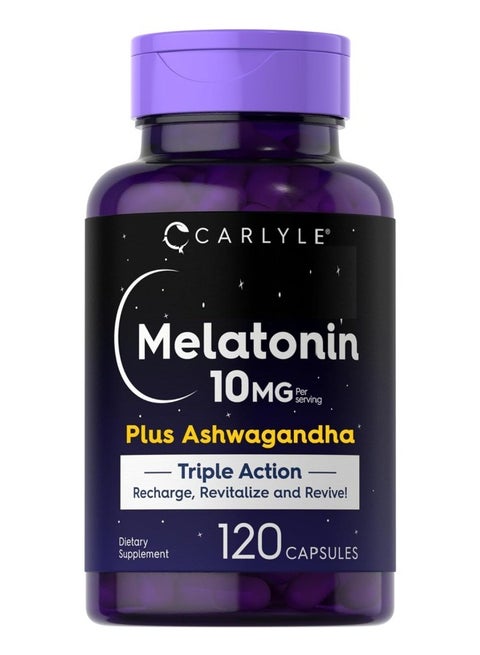
Ashwagandha and Melatonin: Natural Remedies for Better Sleep
Struggling with sleep issues? You’re not alone. Many people face difficulties falling asleep or staying asleep, leading to fatigue and other health problems. While there are various remedies available, two natural supplements have gained popularity for their potential to improve sleep quality: ashwagandha and melatonin.
Ashwagandha
Ashwagandha, also known as Withania somnifera, is an adaptogenic herb that has been used in traditional Ayurvedic medicine for centuries. It is known for its stress-relieving properties and ability to promote relaxation. Ashwagandha may help regulate the body’s stress response, which can be beneficial for those experiencing insomnia or disrupted sleep patterns due to stress or anxiety.
Studies have shown that ashwagandha may improve the quality of sleep by reducing cortisol levels, a hormone associated with stress. By lowering cortisol levels, ashwagandha can help calm the mind and body, making it easier to fall asleep and stay asleep throughout the night.
Melatonin
Melatonin is a hormone produced by the pineal gland in the brain that regulates the sleep-wake cycle. It plays a crucial role in signaling to the body when it’s time to sleep and wake up. Melatonin levels naturally rise in the evening as it gets dark, signaling to the body that it’s time to wind down and prepare for sleep.
For individuals who struggle with insomnia or jet lag, melatonin supplements can be beneficial in regulating their sleep patterns. Taking melatonin supplements before bedtime can help synchronize the body’s internal clock and promote restful sleep.
Combining Ashwagandha and Melatonin
When used together, ashwagandha and melatonin can complement each other’s effects in promoting better sleep. Ashwagandha helps reduce stress and anxiety levels, creating a calm state of mind conducive to falling asleep. On the other hand, melatonin helps regulate the body’s natural sleep-wake cycle, ensuring a restful night’s sleep.
Before incorporating any new supplements into your routine, it’s essential to consult with a healthcare provider or a qualified professional, especially if you have existing health conditions or are taking medications that may interact with these supplements.
By harnessing the benefits of ashwagandha and melatonin, you may find relief from your sleep troubles and wake up feeling refreshed and rejuvenated each morning.
Exploring Ashwagandha and Melatonin: Key Questions and Interactions
- What cannot be taken with ashwagandha?
- Does ashwagandha interfere with sleep?
- What are the effects of ashwagandha with melatonin?
- What medications should not be taken with ashwagandha?
- Why can’t I sleep after taking ashwagandha?
- Can you take ashwagandha and melatonin together?
- Is ashwagandha better for sleep than melatonin?
What cannot be taken with ashwagandha?
When considering the use of ashwagandha, it is important to be mindful of potential interactions with certain medications or supplements. Ashwagandha may interact with medications that suppress the immune system, such as immunosuppressants, as it has been shown to enhance immune function. Additionally, individuals taking sedatives or central nervous system depressants should exercise caution when using ashwagandha, as it may amplify the effects of these medications. It is advisable to consult with a healthcare provider before combining ashwagandha with any prescription drugs or supplements to ensure safe and effective use.
Does ashwagandha interfere with sleep?
Many individuals wonder whether ashwagandha interferes with sleep, considering its reputation for promoting relaxation and stress relief. While ashwagandha is known to have calming effects that may aid in improving sleep quality, some people may experience variations in their response to the herb. For some individuals, ashwagandha’s stress-reducing properties can actually help promote better sleep by easing anxiety and promoting a sense of calm before bedtime. However, it is essential to monitor your own body’s reaction to ashwagandha and consult with a healthcare professional if you have concerns about its impact on your sleep patterns.
What are the effects of ashwagandha with melatonin?
When combining ashwagandha with melatonin, the effects can be complementary in promoting better sleep and overall well-being. Ashwagandha’s stress-relieving properties can help calm the mind and body, making it easier to fall asleep by reducing cortisol levels associated with stress. On the other hand, melatonin regulates the sleep-wake cycle, signaling to the body when it’s time to rest. Together, ashwagandha and melatonin create a synergistic effect that may enhance relaxation, improve sleep quality, and support a healthy sleep routine. It’s important to consult with a healthcare provider before combining these supplements to ensure they are suitable for your individual needs and health conditions.
What medications should not be taken with ashwagandha?
When considering taking ashwagandha, it is important to be aware of potential interactions with certain medications. Ashwagandha may interact with medications that have sedative effects or affect the central nervous system, such as benzodiazepines, barbiturates, and certain antidepressants. Combining ashwagandha with these medications could amplify sedative effects, leading to excessive drowsiness or dizziness. It is advisable to consult a healthcare provider or pharmacist before using ashwagandha alongside any prescription medications to ensure safe and effective coadministration.
Why can’t I sleep after taking ashwagandha?
It is possible that some individuals may experience difficulty sleeping after taking ashwagandha due to its potential energizing effects. Ashwagandha is known for its adaptogenic properties, which can help the body adapt to stress and promote relaxation. However, in some cases, the herb may also provide a boost in energy levels, making it challenging for some people to wind down and fall asleep easily. Additionally, individual responses to ashwagandha can vary, and factors such as dosage, timing of consumption, and personal sensitivity to the herb may influence its impact on sleep patterns. If you find that ashwagandha is affecting your ability to sleep, consider adjusting the timing of intake or consulting with a healthcare provider for personalized guidance on incorporating ashwagandha into your routine without disrupting your sleep.
Can you take ashwagandha and melatonin together?
When considering whether it is safe to take ashwagandha and melatonin together, it is important to consult with a healthcare provider or a qualified professional. While both ashwagandha and melatonin are natural supplements known for their potential benefits in promoting better sleep, interactions between the two substances may vary depending on individual health conditions and medications. Consulting a healthcare provider can help determine the appropriate dosage and timing for taking ashwagandha and melatonin together to optimize their effects without any adverse reactions.
Is ashwagandha better for sleep than melatonin?
When comparing ashwagandha and melatonin for sleep, it’s important to understand that they serve different purposes. Ashwagandha is known for its stress-relieving properties and ability to promote relaxation, which can indirectly improve sleep quality by reducing stress and anxiety levels. On the other hand, melatonin is a hormone that directly regulates the sleep-wake cycle, signaling the body when it’s time to sleep. While ashwagandha may help with stress-related sleep issues, melatonin is specifically targeted at regulating the body’s natural sleep patterns. The effectiveness of each supplement can vary depending on individual needs and preferences, so it’s advisable to consult with a healthcare provider to determine which option may be better suited for your specific sleep concerns.