The Impact of Stress and Anxiety on Mental Health
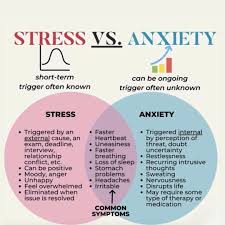
Stress and anxiety are common experiences in today’s fast-paced world, affecting millions of people worldwide. While a certain level of stress can be motivating and help us perform better, chronic stress and anxiety can have detrimental effects on our mental health.
Understanding Stress:
Stress is our body’s natural response to challenges or threats. It triggers the release of hormones like cortisol and adrenaline, preparing us for a “fight or flight” response. However, when stress becomes chronic due to ongoing work pressures, financial worries, or relationship issues, it can lead to anxiety disorders, depression, and other mental health problems.
Effects of Anxiety:
Anxiety is characterized by persistent worry, fear, or unease about everyday situations. It can manifest as panic attacks, phobias, social anxiety disorder, or generalized anxiety disorder. Chronic anxiety not only affects our mental well-being but also impacts our physical health by weakening the immune system and increasing the risk of cardiovascular diseases.
Coping Strategies:
It’s essential to recognize the signs of stress and anxiety early on and implement healthy coping strategies. These may include regular exercise, mindfulness meditation, deep breathing exercises, maintaining a balanced diet, getting adequate sleep, seeking support from loved ones or a therapist, and practicing relaxation techniques.
Professional Help:
If stress and anxiety are significantly impacting your daily life and functioning, seeking professional help from a therapist or counselor is crucial. Cognitive-behavioral therapy (CBT), medication, relaxation techniques like hypnotherapy or biofeedback may be recommended to manage symptoms effectively.
Conclusion:
Stress and anxiety are prevalent in today’s society but should not be ignored. By understanding their impact on mental health and adopting healthy coping mechanisms or seeking professional support when needed, individuals can effectively manage these conditions and improve their overall well-being.
7 Positive Outcomes of Managing Stress and Anxiety
- Increased awareness of personal triggers and stressors
- Motivation to make positive lifestyle changes for better mental health
- Opportunity for self-reflection and personal growth
- Enhanced empathy and understanding towards others facing similar challenges
- Development of effective coping mechanisms and resilience
- Recognition of the importance of self-care and mental well-being
- Potential for seeking professional help and support to address underlying issues
6 Ways Stress and Anxiety Can Negatively Affect Your Health and Well-being
- Impacts physical health by weakening the immune system
- Can lead to sleep disturbances and insomnia
- Increases the risk of developing cardiovascular diseases
- Affects cognitive function, leading to difficulty concentrating and making decisions
- May result in social withdrawal and isolation from friends and family
- Can contribute to the development of other mental health disorders like depression or panic attacks
Increased awareness of personal triggers and stressors
Increased awareness of personal triggers and stressors is a significant benefit that can arise from experiencing stress and anxiety. When individuals pay closer attention to what situations, thoughts, or behaviors trigger their stress and anxiety responses, they gain valuable insights into their inner workings. This heightened awareness allows them to proactively identify potential stressors and develop coping strategies to manage them effectively. By understanding their personal triggers, individuals can take proactive steps to create a more supportive environment for themselves, leading to improved resilience and better mental well-being in the long run.
Motivation to make positive lifestyle changes for better mental health
Stress and anxiety can serve as powerful motivators for individuals to make positive lifestyle changes that promote better mental health. When faced with the challenges and pressures that these conditions bring, individuals may be inspired to prioritize self-care, seek support, and adopt healthy coping strategies. This motivation can lead to actions such as regular exercise, mindfulness practices, improved sleep habits, balanced nutrition, and seeking professional help when needed. By harnessing the energy that stress and anxiety provide, individuals can proactively take steps towards enhancing their overall well-being and resilience in the face of adversity.
Opportunity for self-reflection and personal growth
Stress and anxiety, when managed effectively, can present an opportunity for self-reflection and personal growth. During times of heightened stress, individuals are often compelled to delve deeper into their thoughts and emotions, leading to a better understanding of themselves and their triggers. This introspection can pave the way for personal growth as individuals identify areas for improvement, develop resilience, and cultivate coping mechanisms that enhance their overall well-being. Embracing stress and anxiety as catalysts for self-discovery can empower individuals to navigate challenges with greater insight and emerge stronger on the other side.
Enhanced empathy and understanding towards others facing similar challenges
Experiencing stress and anxiety can lead to an enhanced sense of empathy and understanding towards others who are facing similar challenges. When we go through difficult times ourselves, we become more attuned to the struggles and emotions of those around us. This heightened empathy allows us to connect on a deeper level with others, offer support, and provide a listening ear without judgment. Ultimately, the shared experience of stress and anxiety can foster compassion and solidarity among individuals navigating similar mental health obstacles.
Development of effective coping mechanisms and resilience
Experiencing stress and anxiety can lead to the development of effective coping mechanisms and resilience. When faced with challenging situations that trigger stress or anxiety, individuals are motivated to find ways to manage their emotions and navigate through adversity. Through this process, they learn valuable skills such as problem-solving, emotional regulation, and self-care practices that enhance their ability to bounce back from setbacks and handle future stressors with greater strength and resilience. Ultimately, the journey of overcoming stress and anxiety can empower individuals to build a strong foundation of mental fortitude and adaptability in their lives.
Recognition of the importance of self-care and mental well-being
The pro of stress and anxiety lies in the recognition it brings to the importance of self-care and mental well-being. When individuals experience stress and anxiety, it often serves as a signal that their mental health needs attention. This heightened awareness can lead to proactive steps in prioritizing self-care practices such as mindfulness, relaxation techniques, seeking therapy, engaging in physical activity, and establishing healthy boundaries. By acknowledging the significance of mental well-being through the lens of stress and anxiety, individuals are empowered to cultivate a healthier relationship with themselves and enhance their overall quality of life.
Potential for seeking professional help and support to address underlying issues
One potential benefit of experiencing stress and anxiety is the opportunity it provides for individuals to seek professional help and support to address underlying issues. When faced with persistent feelings of stress or anxiety, reaching out to a therapist, counselor, or mental health professional can offer valuable insights and guidance in understanding the root causes of these emotions. Through therapy sessions, individuals can explore and work through underlying issues, develop coping strategies, and learn effective techniques to manage stress and anxiety in a healthy way. Seeking professional help not only promotes self-awareness and personal growth but also empowers individuals to take proactive steps towards improving their mental well-being.
Impacts physical health by weakening the immune system
Chronic stress and anxiety can have a profound negative impact on physical health by weakening the immune system. When the body is constantly in a state of stress, it releases hormones like cortisol that can suppress the immune response. This weakened immune system makes individuals more susceptible to infections, illnesses, and delays in the healing process. Additionally, long-term stress and anxiety can exacerbate existing health conditions and increase the risk of developing chronic diseases, highlighting the importance of managing stress levels for overall well-being.
Can lead to sleep disturbances and insomnia
Chronic stress and anxiety can have a detrimental impact on sleep patterns, often leading to sleep disturbances and insomnia. The constant worry, racing thoughts, and heightened physiological arousal associated with these conditions can make it difficult to relax and fall asleep. As a result, individuals may experience frequent awakenings during the night, difficulty staying asleep, or early morning awakenings. This disrupted sleep can further exacerbate feelings of fatigue, irritability, and cognitive impairment, creating a vicious cycle that negatively affects both mental and physical health. Addressing stress and anxiety through effective coping strategies and seeking professional help when needed is crucial in managing sleep disturbances and promoting restful sleep.
Increases the risk of developing cardiovascular diseases
Chronic stress and anxiety have been linked to an increased risk of developing cardiovascular diseases. The constant release of stress hormones like cortisol and adrenaline can lead to elevated blood pressure, inflammation, and changes in heart rate, all of which can contribute to the development of heart conditions such as hypertension, heart disease, and stroke. Managing stress and anxiety levels through healthy lifestyle choices, relaxation techniques, and seeking professional help when needed is crucial in reducing the risk of cardiovascular diseases associated with these mental health issues.
Affects cognitive function, leading to difficulty concentrating and making decisions
Prolonged stress and anxiety can significantly impair cognitive function, making it challenging for individuals to concentrate and make decisions effectively. The constant worry and fear associated with anxiety can overwhelm the mind, leading to racing thoughts and an inability to focus on tasks at hand. This cognitive impairment not only hinders productivity but also impacts one’s ability to problem-solve and make sound decisions, ultimately affecting overall performance and quality of life. It is essential to address stress and anxiety promptly to prevent further deterioration of cognitive function and seek appropriate support to regain mental clarity and focus.
May result in social withdrawal and isolation from friends and family
Chronic stress and anxiety can lead to social withdrawal and isolation from friends and family, creating a barrier to meaningful connections and support systems. Individuals experiencing high levels of stress and anxiety may feel overwhelmed by social interactions, leading them to retreat into solitude as a coping mechanism. This isolation can further exacerbate feelings of loneliness, depression, and helplessness, making it challenging to seek help or comfort from loved ones during difficult times. It is essential to address these issues promptly and seek professional assistance to prevent the detrimental effects of social withdrawal on mental health and overall well-being.
Can contribute to the development of other mental health disorders like depression or panic attacks
Chronic stress and anxiety can act as significant risk factors in the development of other mental health disorders, such as depression or panic attacks. When left unaddressed, prolonged stress and anxiety can exacerbate existing symptoms and trigger a cascade of negative emotions and behaviors that may lead to more severe conditions. The persistent strain on one’s mental well-being caused by stress and anxiety can create a fertile ground for the emergence of debilitating disorders like depression, characterized by profound sadness and loss of interest, or panic attacks, marked by sudden and intense feelings of fear or impending doom. It is essential to address stress and anxiety proactively to mitigate their potential contributions to the onset of these interconnected mental health challenges.