Recognizing Stress Attack Symptoms
Stress is a common part of life and can manifest in various ways. While experiencing stress occasionally is normal, chronic stress can have a significant impact on our physical and mental well-being. In some cases, stress can lead to what is commonly known as a “stress attack,” which is characterized by intense feelings of anxiety and overwhelm.
Common Symptoms of a Stress Attack:
- Rapid Heartbeat: During a stress attack, you may notice your heart racing or pounding in your chest. This increased heart rate is a physiological response to the body’s “fight or flight” mechanism kicking in.
- Shortness of Breath: Feeling like you can’t catch your breath or experiencing shallow breathing are common symptoms of a stress attack. This can be due to heightened anxiety levels triggering changes in your breathing patterns.
- Sweating: Excessive sweating, even when not engaged in physical activity, can be a sign of a stress attack. The body’s response to stress includes activating sweat glands to help regulate body temperature.
- Dizziness or Lightheadedness: Feeling dizzy or lightheaded during a stress attack is often linked to changes in blood flow and oxygen levels as the body responds to perceived threats.
- Chest Pain or Discomfort: Some individuals may experience chest pain or discomfort during a stress attack. It’s essential to seek medical attention if you have concerns about chest pain to rule out any serious underlying conditions.
Coping Strategies for Managing Stress Attacks:
If you find yourself experiencing symptoms of a stress attack, it’s crucial to have coping strategies in place to help manage the situation effectively. Here are some tips that may help:
- Breathing Exercises: Practice deep breathing techniques to help calm your mind and regulate your breathing pattern.
- Progressive Muscle Relaxation: Tense and release different muscle groups in your body to promote relaxation and reduce tension.
- Mindfulness Meditation: Engage in mindfulness practices to stay present and focused, helping alleviate feelings of anxiety and overwhelm.
- Talk to Someone: Reach out to a trusted friend, family member, or mental health professional for support and guidance during stressful times.
If you frequently experience stress attacks or feel overwhelmed by persistent stressors in your life, consider seeking professional help from a counselor or therapist who can provide additional coping strategies and support tailored to your needs.
7 Key Symptoms of a Stress Attack You Shouldn’t Ignore
- Sudden feelings of intense fear or panic
- Rapid heartbeat or chest pain
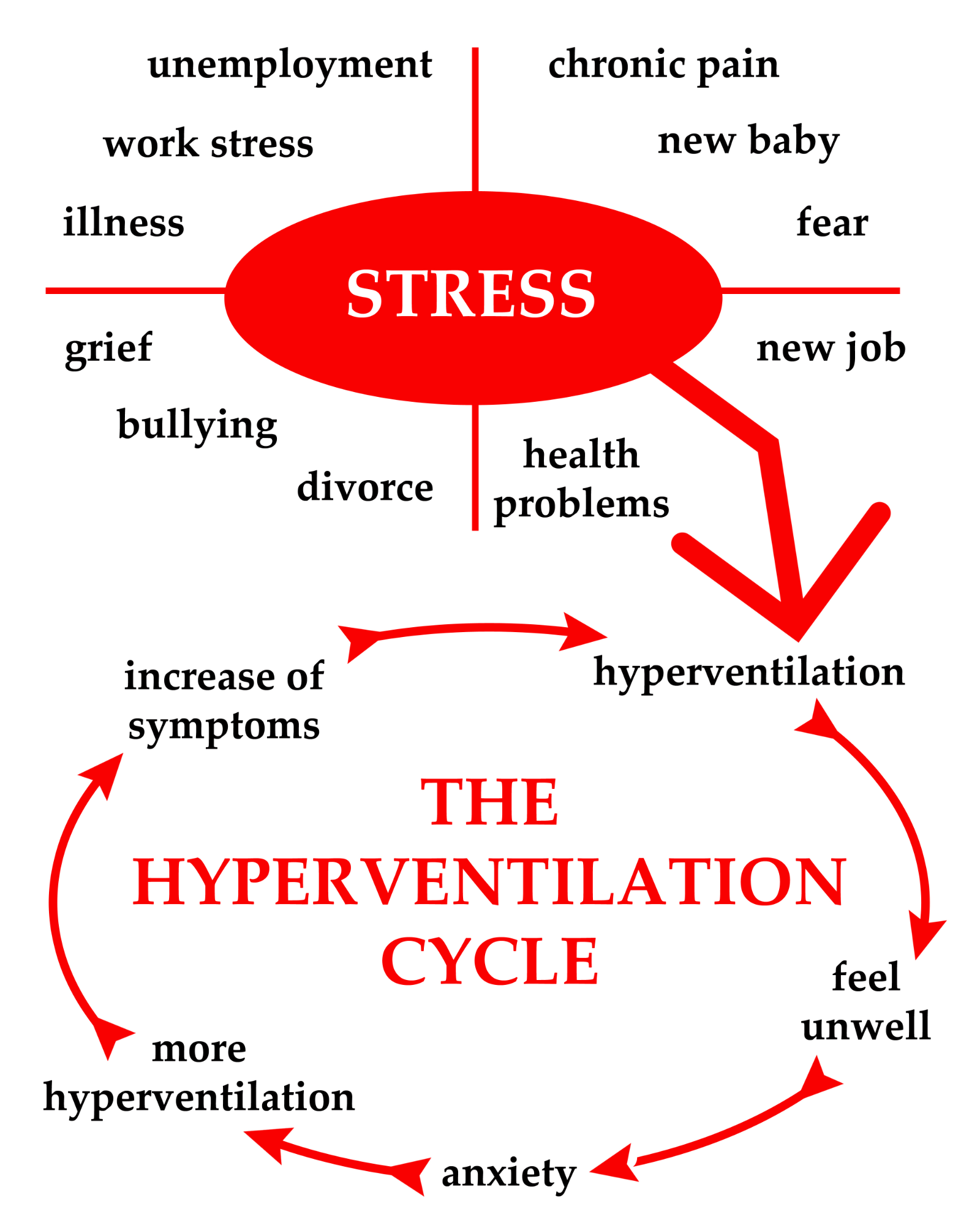
- Shortness of breath or hyperventilation
- Feeling dizzy, lightheaded, or faint
- Trembling or shaking
- Sweating or chills
- Fear of losing control or impending doom
Sudden feelings of intense fear or panic
Sudden feelings of intense fear or panic are common symptoms experienced during a stress attack. When overwhelming emotions of fear or panic arise unexpectedly, it can be a distressing and disorienting experience. These intense feelings may be accompanied by physical sensations such as a racing heartbeat, shortness of breath, and sweating. Recognizing these symptoms as potential signs of a stress attack is crucial in taking proactive steps to manage and alleviate the distressing effects of heightened anxiety. It is essential to practice calming techniques, such as deep breathing and mindfulness, to help regain control over overwhelming emotions and navigate through moments of intense fear or panic with resilience and composure.
Rapid heartbeat or chest pain
When experiencing symptoms such as rapid heartbeat or chest pain during a stress attack, it is essential to pay attention to these physical cues. Rapid heartbeat is a common response to heightened anxiety levels, as the body’s fight-or-flight response kicks in. Similarly, chest pain or discomfort can be alarming but may also be linked to the body’s physiological reaction to stress. It is important to take these symptoms seriously and seek medical attention if needed, as addressing them promptly can help manage stress levels and prevent further complications.
Shortness of breath or hyperventilation
Shortness of breath or hyperventilation is a common symptom experienced during a stress attack. When feeling overwhelmed or anxious, individuals may start breathing rapidly and shallowly, leading to an imbalance in oxygen and carbon dioxide levels in the body. This can result in dizziness, lightheadedness, and a sense of not getting enough air. Practicing deep breathing exercises and focusing on slow, controlled breaths can help regulate breathing patterns and alleviate symptoms of hyperventilation during stressful situations. It’s important to address this symptom promptly to prevent further escalation of anxiety and discomfort.
Feeling dizzy, lightheaded, or faint
Feeling dizzy, lightheaded, or faint can be a concerning symptom of a stress attack. These sensations may arise as a result of changes in blood flow and oxygen levels in response to heightened anxiety levels. It’s essential to pay attention to these symptoms and take steps to address them promptly. Engaging in calming techniques such as deep breathing exercises, mindfulness meditation, or seeking support from a trusted individual can help alleviate these feelings and promote a sense of calm during stressful moments. If these symptoms persist or become severe, it’s important to seek medical advice to rule out any underlying health issues and ensure proper care and management.
Trembling or shaking
Trembling or shaking is a common symptom experienced during a stress attack. When the body perceives a threat or is under intense stress, it can trigger physical reactions such as trembling in the hands, legs, or other parts of the body. This involuntary shaking is a result of the body’s natural response to stress hormones like adrenaline, which prepare us for a fight-or-flight situation. Recognizing trembling or shaking as a symptom of a stress attack can help individuals identify and address their stress levels before they escalate further.
Sweating or chills
Sweating or chills can be common symptoms of a stress attack, indicating the body’s physiological response to heightened anxiety and stress levels. During a stress attack, the body’s natural “fight or flight” response may trigger sweating as a way to regulate body temperature or chills as a result of increased adrenaline production. These physical manifestations serve as signals that the body is under stress and may require attention and relaxation techniques to help manage the overwhelming feelings associated with the episode.
Fear of losing control or impending doom
A common symptom of a stress attack is the overwhelming fear of losing control or a sense of impending doom. This intense feeling of dread can be debilitating and may contribute to heightened anxiety levels during stressful situations. Individuals experiencing this symptom may feel as though they are unable to cope with the circumstances at hand, leading to increased feelings of panic and helplessness. Recognizing and addressing this fear is crucial in managing stress attacks effectively and seeking support from loved ones or mental health professionals can provide valuable assistance in navigating these challenging emotions.