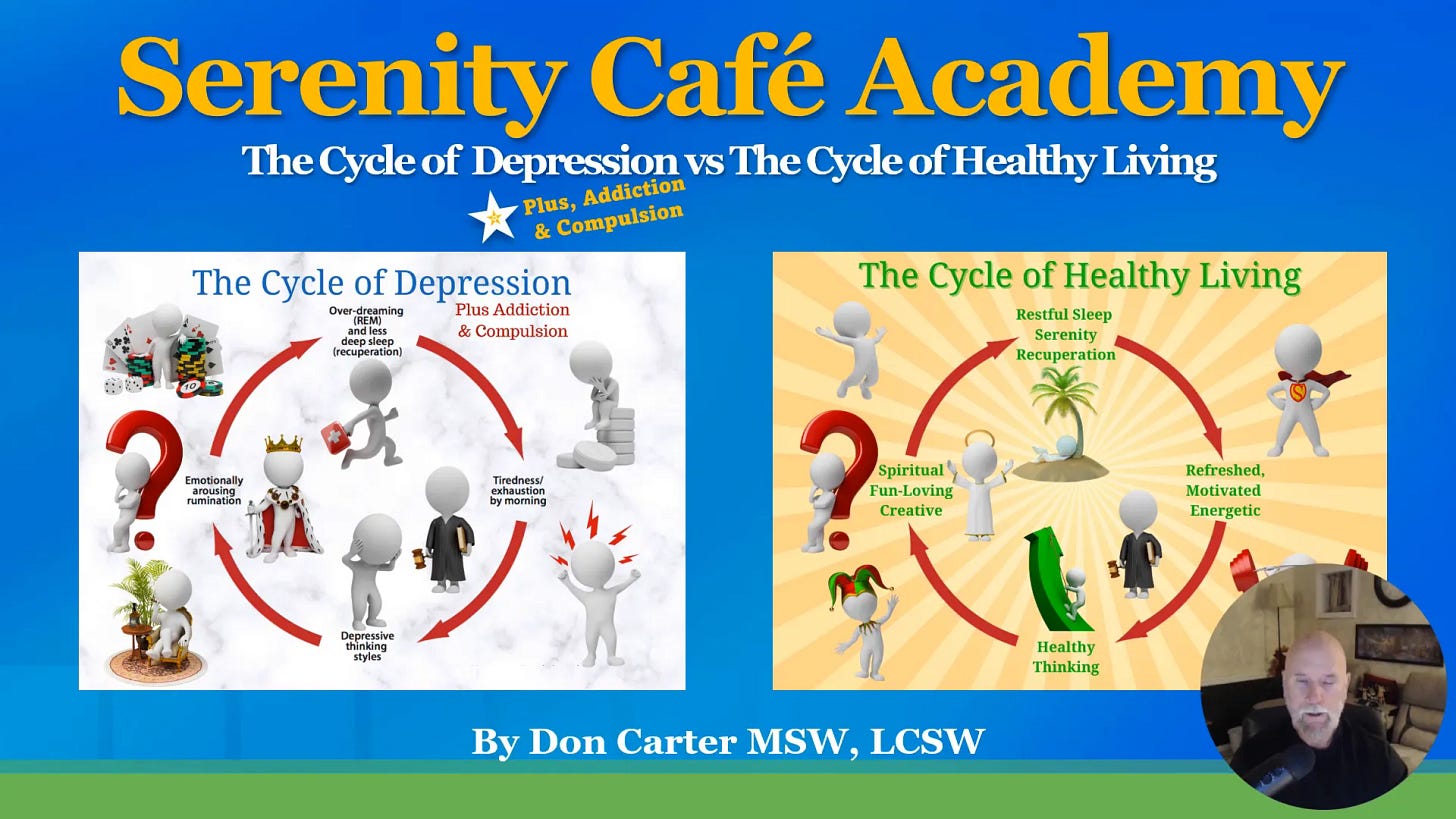
Understanding the Connection Between Depression and Addiction
Depression and addiction are two complex and often intertwined conditions that can have a profound impact on an individual’s life. While they are distinct disorders, they frequently co-occur, leading to a challenging cycle of emotional and behavioral struggles.
Depression:
Depression is a mental health disorder characterized by persistent feelings of sadness, hopelessness, and loss of interest in activities that were once enjoyable. It can affect how a person thinks, feels, and behaves, often leading to difficulties in daily functioning and relationships.
Addiction:
Addiction is a chronic disease that involves compulsive drug seeking and use despite harmful consequences. It can result from various factors, including genetic predisposition, environmental influences, and mental health conditions like depression.
The Link Between Depression and Addiction:
Individuals struggling with depression may turn to substances such as alcohol or drugs as a way to self-medicate and alleviate their emotional pain. While these substances may provide temporary relief, they can ultimately exacerbate depressive symptoms and lead to the development of an addiction.
Conversely, substance abuse can also contribute to the onset or worsening of depression due to chemical changes in the brain, disruptions in neurotransmitter function, and altered mood regulation.
Treatment Approaches:
Effective treatment for individuals with co-occurring depression and addiction often involves an integrated approach that addresses both disorders simultaneously. This may include therapy (such as cognitive-behavioral therapy), medication management, support groups, lifestyle changes, and holistic interventions.
Seeking Help:
If you or someone you know is struggling with depression or addiction, it is essential to seek professional help. Treatment providers can offer personalized support and guidance to help individuals break free from the cycle of despair and substance misuse.
9 Essential Tips for Managing Depression and Addiction
- Reach out to a trusted friend or family member for support.
- Consider seeking professional help from a therapist or counselor.
- Engage in regular physical activity to boost mood and reduce stress.
- Establish a routine to provide structure and stability in daily life.
- Practice mindfulness or meditation to enhance emotional well-being.
- Avoid isolation by participating in community activities or support groups.
- Limit alcohol and drug use, as they can worsen symptoms of depression.
- Set small, achievable goals to build confidence and motivation.
- Ensure adequate sleep by maintaining a consistent sleep schedule.
Reach out to a trusted friend or family member for support.
Reaching out to a trusted friend or family member for support can be a crucial step in managing both depression and addiction. Opening up to someone you trust about your struggles can provide emotional relief, validation, and a sense of connection. Trusted individuals can offer empathy, encouragement, and practical assistance in accessing professional help or treatment resources. Remember, you don’t have to face these challenges alone, and seeking support from loved ones can be a powerful first step towards healing and recovery.
Consider seeking professional help from a therapist or counselor.
When dealing with the complex challenges of depression and addiction, it is crucial to consider seeking professional help from a therapist or counselor. These trained professionals can provide valuable support, guidance, and evidence-based interventions to help individuals navigate their struggles effectively. Therapy can offer a safe space for exploring underlying issues, developing coping strategies, and fostering personal growth on the journey towards healing and recovery. By reaching out to a therapist or counselor, individuals can access the resources and expertise needed to address their mental health concerns and work towards a brighter, healthier future.
Engage in regular physical activity to boost mood and reduce stress.
Engaging in regular physical activity is a valuable tip for managing both depression and addiction. Exercise has been shown to boost mood by releasing endorphins, which are natural mood elevators. Additionally, physical activity can help reduce stress levels and provide a healthy outlet for pent-up emotions. By incorporating regular exercise into your routine, you not only support your mental well-being but also contribute to a healthier lifestyle that can aid in the recovery process from both depression and addiction.
Establish a routine to provide structure and stability in daily life.
Establishing a routine can be a valuable tip for individuals grappling with depression and addiction. By creating a structured daily schedule, individuals can introduce stability and predictability into their lives, which can help alleviate feelings of overwhelm and uncertainty. A routine can include activities such as waking up and going to bed at consistent times, engaging in regular exercise, setting aside time for self-care practices, and attending therapy or support group meetings. This sense of structure not only fosters a sense of control but also promotes healthy habits and positive coping mechanisms to navigate the challenges associated with depression and addiction.
Practice mindfulness or meditation to enhance emotional well-being.
Engaging in mindfulness or meditation practices can be a powerful tool to enhance emotional well-being for individuals struggling with depression and addiction. By cultivating present-moment awareness and fostering a non-judgmental attitude towards one’s thoughts and feelings, mindfulness can help individuals manage stress, regulate emotions, and build resilience. Through regular practice, individuals can develop greater self-awareness, improve their ability to cope with challenging emotions, and cultivate a sense of inner peace and balance amidst the struggles of depression and addiction.
Avoid isolation by participating in community activities or support groups.
Engaging in community activities or joining support groups can be a beneficial strategy to combat the challenges of depression and addiction. By actively participating in these social settings, individuals can break free from isolation and connect with others who may share similar experiences. These interactions provide a sense of belonging, understanding, and support, which are crucial in fostering emotional well-being and recovery. Being part of a community can offer valuable opportunities for encouragement, empathy, and shared coping strategies that can help individuals navigate their journey toward healing and resilience.
Limit alcohol and drug use, as they can worsen symptoms of depression.
Limiting alcohol and drug use is crucial for managing symptoms of depression, as these substances can exacerbate mental health challenges. Alcohol and drugs may provide temporary relief but can ultimately worsen depressive symptoms and contribute to the development of addiction. By reducing or eliminating substance use, individuals can improve their mental well-being and take proactive steps towards better managing their depression.
Set small, achievable goals to build confidence and motivation.
Setting small, achievable goals is a valuable tip for individuals navigating the challenges of depression and addiction. By breaking down larger tasks into manageable steps, individuals can build confidence and motivation as they experience success in reaching these milestones. These small victories serve as tangible evidence of progress and can help individuals maintain a sense of control and accomplishment, ultimately empowering them to continue moving forward on their journey towards recovery and well-being.
Ensure adequate sleep by maintaining a consistent sleep schedule.
Ensuring adequate sleep by maintaining a consistent sleep schedule is crucial for managing both depression and addiction. A regular sleep routine helps regulate mood, improve cognitive function, and support overall well-being. Disrupted sleep patterns can exacerbate symptoms of depression and increase the risk of relapse in individuals recovering from addiction. By prioritizing a consistent bedtime and wake-up time, individuals can establish healthy sleep habits that contribute to their mental health and recovery journey.