The Link Between Oversleeping and Depression
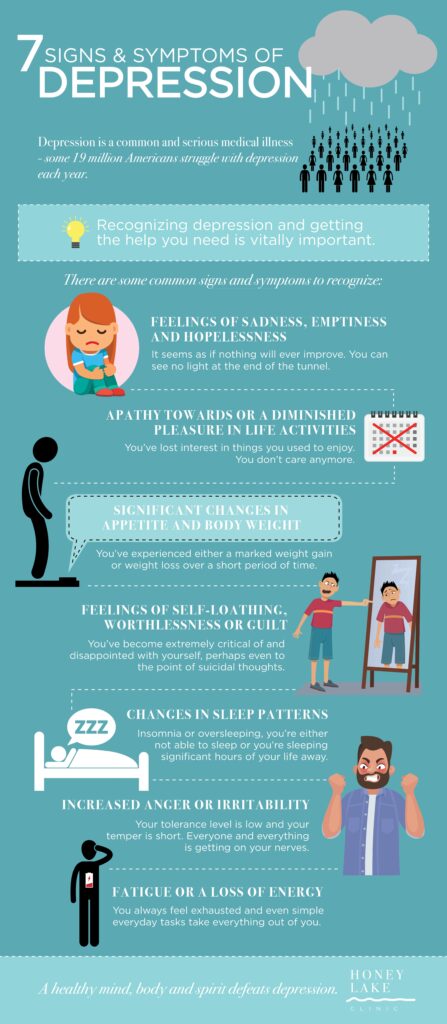
Oversleeping, also known as hypersomnia, is a condition characterized by excessive sleepiness and prolonged sleep duration. While many people associate depression with symptoms such as insomnia or difficulty sleeping, oversleeping can also be a sign of underlying mental health issues, particularly depression.
Individuals experiencing depression may find themselves sleeping more than usual, even to the point of oversleeping. This excessive sleep can be a coping mechanism or a way to escape from the emotional pain and fatigue associated with depression.
However, oversleeping can exacerbate feelings of lethargy, low energy levels, and overall mood disturbances commonly seen in depression. It can create a cycle where the individual sleeps more to cope with their symptoms but ends up feeling even more fatigued and unmotivated due to excessive rest.
Research has shown that oversleeping in individuals with depression can lead to increased feelings of sadness, hopelessness, and irritability. It can also interfere with daily functioning, work productivity, and social interactions.
It is essential for individuals experiencing symptoms of both oversleeping and depression to seek professional help. A mental health professional can provide an accurate diagnosis, develop a treatment plan tailored to the individual’s needs, and offer support in managing both conditions effectively.
In addition to seeking professional help, lifestyle changes such as maintaining a regular sleep schedule, engaging in physical activity, practicing relaxation techniques, and fostering social connections can also aid in alleviating symptoms of both oversleeping and depression.
Remember that oversleeping is not just about getting too much rest; it can be a manifestation of deeper emotional struggles. By addressing both the physical symptom of oversleeping and the underlying mental health issue of depression, individuals can work towards improved well-being and quality of life.
Understanding Oversleeping and Depression: Causes, Symptoms, and Solutions
- Can depression make you sleep 20 hours a day?
- What is oversleeping a symptom of?
- What can trigger a depressive episode?
- Can oversleeping be a coping mechanism?
- Is oversleeping a symptom of depression?
- How does oversleeping contribute to depression?
- How to fix oversleeping depression?
Can depression make you sleep 20 hours a day?
It is uncommon for depression alone to cause someone to sleep for 20 hours a day. While oversleeping can be a symptom of depression, sleeping excessively for such extended periods typically indicates a more severe condition known as hypersomnia. Hypersomnia can be caused by various factors, including certain medical conditions, medications, or other sleep disorders. It is crucial for individuals experiencing prolonged excessive sleep to consult with a healthcare provider to determine the underlying cause and receive appropriate treatment.
What is oversleeping a symptom of?
Oversleeping can be a symptom of various underlying conditions, with depression being one of the most common causes. In addition to depression, oversleeping can also be a sign of other mental health disorders such as bipolar disorder, seasonal affective disorder (SAD), or even sleep disorders like sleep apnea or narcolepsy. Certain medical conditions such as hypothyroidism and chronic fatigue syndrome can also contribute to excessive sleepiness and oversleeping. It is essential to consult with a healthcare professional to determine the root cause of oversleeping and address any potential underlying issues for proper diagnosis and treatment.
What can trigger a depressive episode?
Various factors can trigger a depressive episode, including genetic predisposition, life events such as loss or trauma, chronic stress, medical conditions, and certain medications. For some individuals, oversleeping can be a symptom or trigger of depression. Changes in sleep patterns, whether excessive sleep or insomnia, can disrupt the body’s natural rhythms and contribute to mood disturbances. It’s essential to recognize the interconnectedness of oversleeping and depression and seek professional guidance to address both the physical and emotional aspects of these conditions effectively.
Can oversleeping be a coping mechanism?
Oversleeping can indeed serve as a coping mechanism for individuals dealing with depression or other mental health issues. Some people may turn to excessive sleep as a way to escape from emotional distress, fatigue, or overwhelming feelings of sadness and hopelessness. By sleeping more than usual, they may temporarily alleviate their symptoms and find solace in the unconscious state of rest. However, while oversleeping may provide temporary relief, it can ultimately contribute to a cycle of lethargy, low energy levels, and worsened mood disturbances associated with depression. It is important for individuals using oversleeping as a coping mechanism to seek professional help and explore healthier strategies for managing their mental health challenges.
Is oversleeping a symptom of depression?
Oversleeping can indeed be a symptom of depression. While many associate depression with insomnia or difficulty sleeping, oversleeping, also known as hypersomnia, is another common manifestation of the disorder. Individuals experiencing depression may find themselves sleeping excessively as a way to cope with emotional pain and fatigue. However, this prolonged sleep can exacerbate feelings of lethargy, low energy levels, and overall mood disturbances associated with depression. It is important to recognize oversleeping as a potential symptom of depression and seek professional help for accurate diagnosis and effective management of both conditions.
How does oversleeping contribute to depression?
Oversleeping can contribute to depression by perpetuating a cycle of lethargy, low energy levels, and mood disturbances. While oversleeping may initially serve as a coping mechanism to escape emotional pain and fatigue associated with depression, it can ultimately worsen symptoms by increasing feelings of sadness, hopelessness, and irritability. Excessive sleep can disrupt the body’s natural rhythms and lead to a lack of motivation and productivity in daily activities. This cycle of oversleeping can further exacerbate the underlying mental health issues of depression, making it crucial for individuals experiencing this pattern to seek professional help in order to address both the physical symptom of oversleeping and the emotional challenges of depression effectively.
How to fix oversleeping depression?
To address oversleeping associated with depression, it is essential to focus on both the physical and mental aspects of the issue. Seeking professional help from a mental health provider can lead to an accurate diagnosis and personalized treatment plan. Cognitive-behavioral therapy (CBT) and other therapeutic interventions can help individuals manage depressive symptoms and develop healthier sleep habits. Additionally, implementing lifestyle changes such as maintaining a consistent sleep schedule, engaging in regular physical activity, practicing relaxation techniques, and fostering social connections can contribute to improving overall well-being and managing both oversleeping and depression effectively.