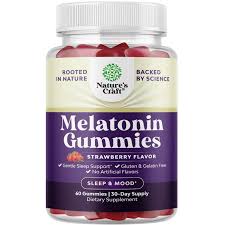
The Different Types of Melatonin and Their Benefits
Melatonin is a hormone produced by the pineal gland in the brain that regulates sleep-wake cycles. It is also available as a supplement and comes in various forms to cater to different needs. Here are some common types of melatonin supplements:
Regular Release Melatonin
This type of melatonin supplement is designed to be released slowly over several hours, mimicking the body’s natural production of melatonin. It helps regulate the sleep-wake cycle and improve overall sleep quality.
Fast-Acting Melatonin
Fast-acting melatonin supplements are formulated to be absorbed quickly by the body, making them ideal for those who have trouble falling asleep or need help adjusting to a new time zone.
Extended Release Melatonin
Extended-release melatonin is designed to provide a steady dose of melatonin throughout the night, ensuring a restful and uninterrupted sleep. It can be beneficial for individuals who have trouble staying asleep or waking up frequently during the night.
Sublingual Melatonin
Sublingual melatonin comes in the form of tablets that are dissolved under the tongue for rapid absorption into the bloodstream. This method bypasses digestion, allowing for quick effects and making it suitable for those with digestive issues.
Liquid Melatonin
Liquid melatonin offers a convenient way to adjust dosage according to individual needs. It can be easily mixed with water or juice for consumption and is absorbed quickly by the body.
Before incorporating any type of melatonin supplement into your routine, it’s advisable to consult with a healthcare provider to determine the most suitable option based on your specific sleep concerns and overall health.
Understanding Melatonin: Answers to Common Questions About Types, Effectiveness, and Safety
- What is the best strongest melatonin?
- Why don’t doctors like melatonin?
- Are there different types of melatonin?
- What form of melatonin works best?
- What is the safest melatonin to take?
- What is the most effective form of melatonin?
- Does melatonin raise serotonin levels?
- Does melatonin reduce DHT?
What is the best strongest melatonin?
When it comes to determining the best and strongest melatonin supplement, it is essential to consider individual needs and preferences. The effectiveness of melatonin can vary based on factors such as dosage, formulation, and personal response to the supplement. Some individuals may find that a higher dosage of melatonin works best for them, while others may benefit more from a lower dose or a specific formulation like extended-release or fast-acting melatonin. Consulting with a healthcare provider or a sleep specialist can help determine the most suitable and effective option based on specific sleep concerns and overall health goals. It’s important to remember that what works best for one person may not necessarily be the strongest or most effective choice for another individual.
Why don’t doctors like melatonin?
Doctors may have varying opinions on melatonin due to several factors. While melatonin is generally considered safe for short-term use and can be effective in managing sleep disorders, some healthcare professionals may have concerns about its long-term effects and potential interactions with other medications. Additionally, the regulation of melatonin supplements may vary, leading to inconsistencies in quality and dosage. Some doctors may prefer to explore other non-pharmacological approaches or prescription medications for sleep issues before recommending melatonin. It’s important for individuals considering melatonin to consult with their healthcare provider to discuss the benefits, risks, and appropriate usage based on their specific health needs.
Are there different types of melatonin?
Yes, there are different types of melatonin available in the form of supplements to cater to various sleep-related needs. Common types include regular release melatonin, fast-acting melatonin, extended-release melatonin, sublingual melatonin, and liquid melatonin. Each type is formulated to address specific sleep issues such as difficulty falling asleep, staying asleep, or adjusting to new sleep schedules. It’s important to consult with a healthcare provider before choosing a specific type of melatonin supplement to ensure it aligns with your individual sleep concerns and overall health goals.
What form of melatonin works best?
When considering the effectiveness of different forms of melatonin, it ultimately depends on individual preferences and needs. Some people may find that regular release melatonin works best for them as it closely mimics the body’s natural production of the hormone, helping regulate their sleep-wake cycle. Others may benefit more from fast-acting melatonin if they struggle with falling asleep quickly or need to adjust to new time zones efficiently. Extended-release melatonin can be preferred by individuals who have trouble staying asleep throughout the night. Sublingual and liquid forms offer faster absorption and flexibility in dosage adjustment, making them suitable for those with specific preferences or health conditions. Consulting with a healthcare provider can help determine the most effective form of melatonin based on individual sleep concerns and overall well-being.
What is the safest melatonin to take?
When considering the safest melatonin to take, it is essential to prioritize quality and purity. Opting for melatonin supplements from reputable brands that undergo rigorous testing for potency and contaminants can help ensure safety and efficacy. Additionally, selecting a low dosage of melatonin (typically between 0.5mg to 3mg) is often recommended, as higher doses may lead to unwanted side effects. It is advisable to consult with a healthcare provider before starting any new supplement regimen, especially if you have underlying health conditions or are taking other medications that may interact with melatonin. By prioritizing quality, dosage moderation, and professional guidance, individuals can make informed choices regarding the safest melatonin supplement for their specific needs.
What is the most effective form of melatonin?
When it comes to determining the most effective form of melatonin, it largely depends on individual preferences and needs. Some people may find regular-release melatonin to be effective in regulating their sleep-wake cycle and improving overall sleep quality. Others might benefit more from fast-acting melatonin if they struggle with falling asleep quickly. Extended-release melatonin could be the preferred choice for those who have difficulty staying asleep throughout the night. Sublingual and liquid forms of melatonin offer quick absorption and flexibility in dosing, making them suitable options for individuals with specific requirements. Ultimately, the most effective form of melatonin varies from person to person, and consulting a healthcare provider can help determine the best option based on individual circumstances.
Does melatonin raise serotonin levels?
Melatonin and serotonin are both neurotransmitters that play crucial roles in regulating sleep and mood. While melatonin helps control the sleep-wake cycle, serotonin is known for its impact on mood regulation. Although melatonin itself does not directly raise serotonin levels, they are interconnected in the body’s intricate neurochemical pathways. Melatonin synthesis is dependent on serotonin, as serotonin is a precursor to melatonin production. Therefore, ensuring adequate levels of serotonin can indirectly support the production of melatonin, contributing to improved sleep quality and overall well-being. It’s essential to maintain a balance of these neurotransmitters for optimal sleep and mood regulation.
Does melatonin reduce DHT?
Melatonin is a hormone primarily known for its role in regulating sleep-wake cycles and promoting relaxation. While there is some research suggesting that melatonin may have potential effects on DHT (dihydrotestosterone), a hormone linked to hair loss and prostate health, the evidence is limited and inconclusive. Some studies have indicated that melatonin could potentially inhibit the enzyme responsible for converting testosterone to DHT, but more research is needed to fully understand the impact of melatonin on DHT levels. It’s important to consult with a healthcare provider or specialist for personalized advice on managing DHT-related concerns and incorporating melatonin into your health regimen.