The Power of Relaxing Music for Stress Relief
Life can be hectic and stressful, with demands coming from all directions. In times like these, it’s important to find ways to relax and unwind. One effective method that has been proven to reduce stress levels is listening to relaxing music.
Music has a profound impact on our emotions and can directly influence our mood and stress levels. When we listen to calming melodies and soothing sounds, our bodies naturally respond by slowing down our heart rate, lowering blood pressure, and reducing the production of stress hormones.
So what makes music relaxing? It’s not just about the genre or artist; it’s more about the tempo, rhythm, and tone of the music. Slow, gentle tunes with soft melodies and harmonious compositions tend to have a calming effect on the mind and body.
Research has shown that listening to relaxing music can help in various ways:
- Stress Reduction: Music has the ability to shift our focus away from stressful thoughts and induce a state of relaxation.
- Anxiety Relief: Calming music can alleviate feelings of anxiety and promote a sense of tranquility.
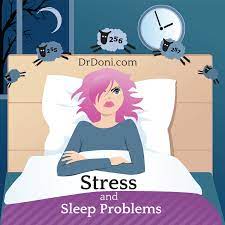
- Better Sleep: Listening to soothing music before bedtime can improve sleep quality by helping you unwind and fall asleep more easily.
- Mood Enhancement: Music has the power to uplift our spirits, boost our mood, and increase feelings of happiness.
To make the most of relaxing music for stress relief, create a playlist of your favorite calming tracks or explore specially curated playlists designed for relaxation. Find a quiet space, put on your headphones, close your eyes, and let the music transport you to a place of peace and serenity.
Whether you’re dealing with everyday stressors or seeking moments of tranquility in a busy day, incorporating relaxing music into your routine can be a simple yet powerful tool for promoting mental well-being and finding inner calm.
7 Common Questions About the Benefits of Relaxing Music for Stress Relief
- How does relaxing music help in reducing stress?
- What type of music is considered relaxing for stress relief?
- Can listening to relaxing music before bed improve sleep quality?
- Is there scientific evidence supporting the effectiveness of relaxing music for stress relief?
- Are there specific genres or artists known for producing calming music?
- How often and for how long should one listen to relaxing music to experience stress reduction benefits?
- Can relaxing music be used in combination with other relaxation techniques for better stress management?
How does relaxing music help in reducing stress?
Relaxing music aids in reducing stress by engaging with our brain and body in a way that promotes relaxation and calmness. When we listen to soothing melodies and gentle rhythms, our brain responds by slowing down the production of stress hormones like cortisol, while increasing the release of feel-good neurotransmitters such as dopamine and serotonin. This physiological response leads to a decrease in heart rate, blood pressure, and muscle tension, creating a sense of tranquility and well-being. Additionally, focusing on the harmonious sounds of relaxing music can divert our attention from stressful thoughts and worries, allowing us to unwind and reset both mentally and emotionally.
What type of music is considered relaxing for stress relief?
When it comes to using music for stress relief, the type of music that is considered relaxing typically includes slow tempo, gentle melodies, and soothing sounds. Music genres like classical, ambient, nature sounds, and instrumental pieces are often recommended for relaxation purposes. These genres have a calming effect on the mind and body, helping to reduce stress levels and promote a sense of tranquility. It’s important to choose music that resonates with you personally and creates a peaceful atmosphere conducive to relaxation and stress relief.
Can listening to relaxing music before bed improve sleep quality?
Listening to relaxing music before bed has been shown to have a positive impact on sleep quality. The soothing melodies and calming rhythms of music can help reduce stress and anxiety, creating a peaceful environment conducive to falling asleep. By listening to relaxing music before bedtime, individuals can unwind, quiet their minds, and transition into a state of relaxation that promotes better sleep. This practice can not only improve the ability to fall asleep but also enhance the overall quality of sleep by promoting deeper rest and reducing interruptions throughout the night. Incorporating relaxing music into a bedtime routine may be a simple yet effective way to create a more restful and rejuvenating sleep experience.
Is there scientific evidence supporting the effectiveness of relaxing music for stress relief?
Scientific research has provided compelling evidence supporting the effectiveness of relaxing music for stress relief. Studies have shown that listening to calming music can have a direct impact on our physiological responses, such as reducing heart rate, lowering blood pressure, and decreasing levels of stress hormones like cortisol. Additionally, brain imaging studies have revealed that music activates areas of the brain associated with emotions and relaxation. These findings suggest that incorporating relaxing music into our daily routines can be a valuable tool in managing stress and promoting overall well-being.
Are there specific genres or artists known for producing calming music?
When it comes to finding calming music for stress relief, there are indeed specific genres and artists known for creating soothing melodies that can help you relax and unwind. Ambient music, classical music, nature sounds, and instrumental tracks are popular choices for inducing a sense of calmness. Artists like Ludovico Einaudi, Enya, Yiruma, and Brian Eno are renowned for their compositions that promote relaxation and stress reduction. These musicians often use gentle tones, soft harmonies, and minimalistic arrangements to create a tranquil atmosphere that can soothe the mind and body. Whether you prefer piano solos, atmospheric soundscapes, or nature-inspired tunes, exploring these genres and artists can lead you to discover the perfect soundtrack for your moments of relaxation.
How often and for how long should one listen to relaxing music to experience stress reduction benefits?
To experience stress reduction benefits from listening to relaxing music, consistency is key. It is recommended to incorporate listening to calming music into your daily routine for optimal results. Spending at least 15-30 minutes each day immersed in soothing melodies can help lower stress levels and promote relaxation. However, individual preferences may vary, so it’s important to listen to your body and mind to determine the frequency and duration that work best for you. Whether it’s a short break during a hectic day or a longer session before bedtime, finding moments to unwind with relaxing music can contribute to overall well-being and mental health.
Can relaxing music be used in combination with other relaxation techniques for better stress management?
Combining relaxing music with other relaxation techniques can enhance stress management effectiveness. When used in conjunction with practices such as deep breathing, meditation, or progressive muscle relaxation, calming music can create a synergistic effect that deepens relaxation and promotes a greater sense of calm. The soothing melodies can serve as a focal point for the mind, helping to quiet racing thoughts and induce a state of tranquility. By incorporating relaxing music into your relaxation routine, you can amplify the benefits of various stress management techniques and create a more holistic approach to promoting mental well-being.