The Impact of Hormonal Insomnia on Your Health
Insomnia is a common sleep disorder that affects millions of people worldwide. While there are various factors that can contribute to insomnia, one lesser-known cause is hormonal imbalance. Hormones play a crucial role in regulating our sleep-wake cycle, and when they are disrupted, it can lead to sleep disturbances.
Understanding Hormonal Insomnia:
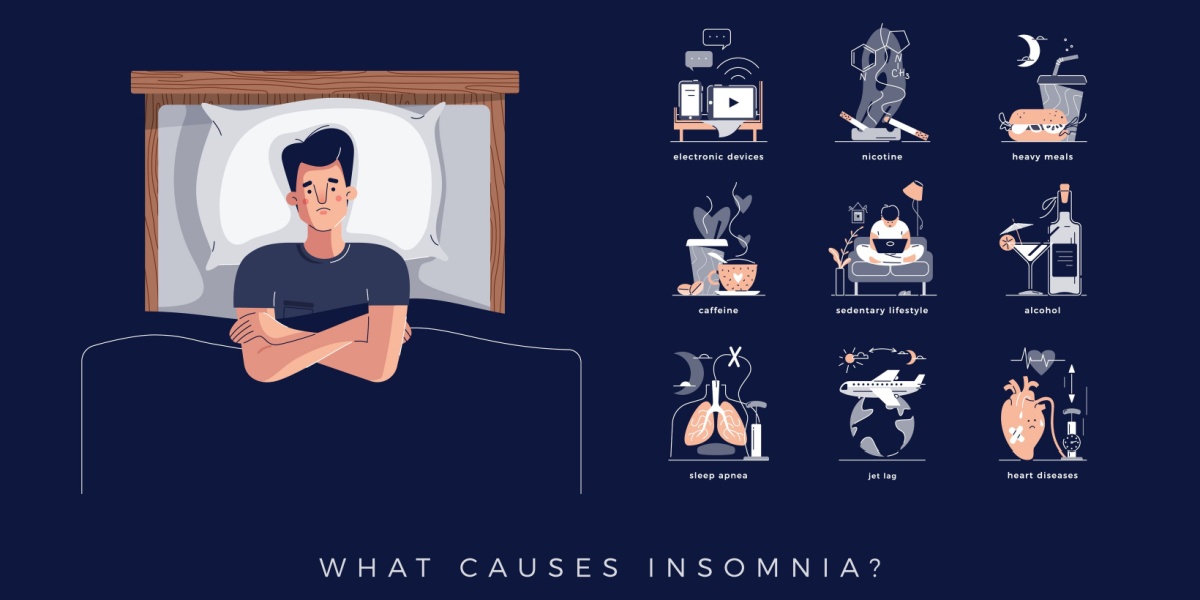
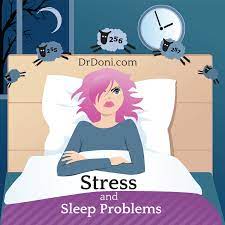
Hormonal insomnia occurs when there is an imbalance in the hormones that regulate our sleep patterns. This imbalance can be caused by various factors such as stress, diet, lifestyle choices, and medical conditions. Hormones like cortisol, melatonin, estrogen, and progesterone play key roles in our sleep quality and quantity.
Effects of Hormonal Insomnia:
When hormonal imbalance disrupts our sleep-wake cycle, it can have a significant impact on our health and well-being. Chronic hormonal insomnia can lead to increased levels of stress, fatigue, irritability, difficulty concentrating, and a weakened immune system. Over time, it may also contribute to the development of more serious health conditions such as heart disease, diabetes, and depression.
Managing Hormonal Insomnia:
If you suspect that hormonal imbalance is affecting your sleep quality, it’s essential to consult with a healthcare provider or a sleep specialist for proper diagnosis and treatment. Lifestyle changes such as maintaining a regular sleep schedule, practicing relaxation techniques before bedtime, and incorporating hormone-balancing foods into your diet can help improve your sleep patterns.
In conclusion, hormonal insomnia is a complex condition that requires attention and care to address effectively. By understanding the role of hormones in our sleep health and taking proactive steps to balance them naturally or with medical intervention when necessary, we can improve our overall well-being and quality of life.
Understanding Hormonal Insomnia: Causes, Treatments, and Breaking the Cycle
- How to break the cycle of insomnia?
- What causes insomnia in females hormones?
- Can hormonal imbalance causes insomnia?
- How do you treat hormonal insomnia?
- Why do I wake up at 3am and can’t go back to sleep?
How to break the cycle of insomnia?
Breaking the cycle of hormonal insomnia can be a challenging but achievable goal with the right approach. To address this common concern, it is essential to focus on establishing healthy sleep habits and addressing any underlying hormonal imbalances. Creating a consistent bedtime routine, practicing relaxation techniques before sleep, avoiding stimulants like caffeine and electronics close to bedtime, and ensuring a comfortable sleep environment are all key strategies to break the cycle of insomnia. Additionally, seeking guidance from healthcare providers or sleep specialists to diagnose and treat any hormonal issues contributing to insomnia can provide tailored solutions for better sleep quality and overall well-being.
What causes insomnia in females hormones?
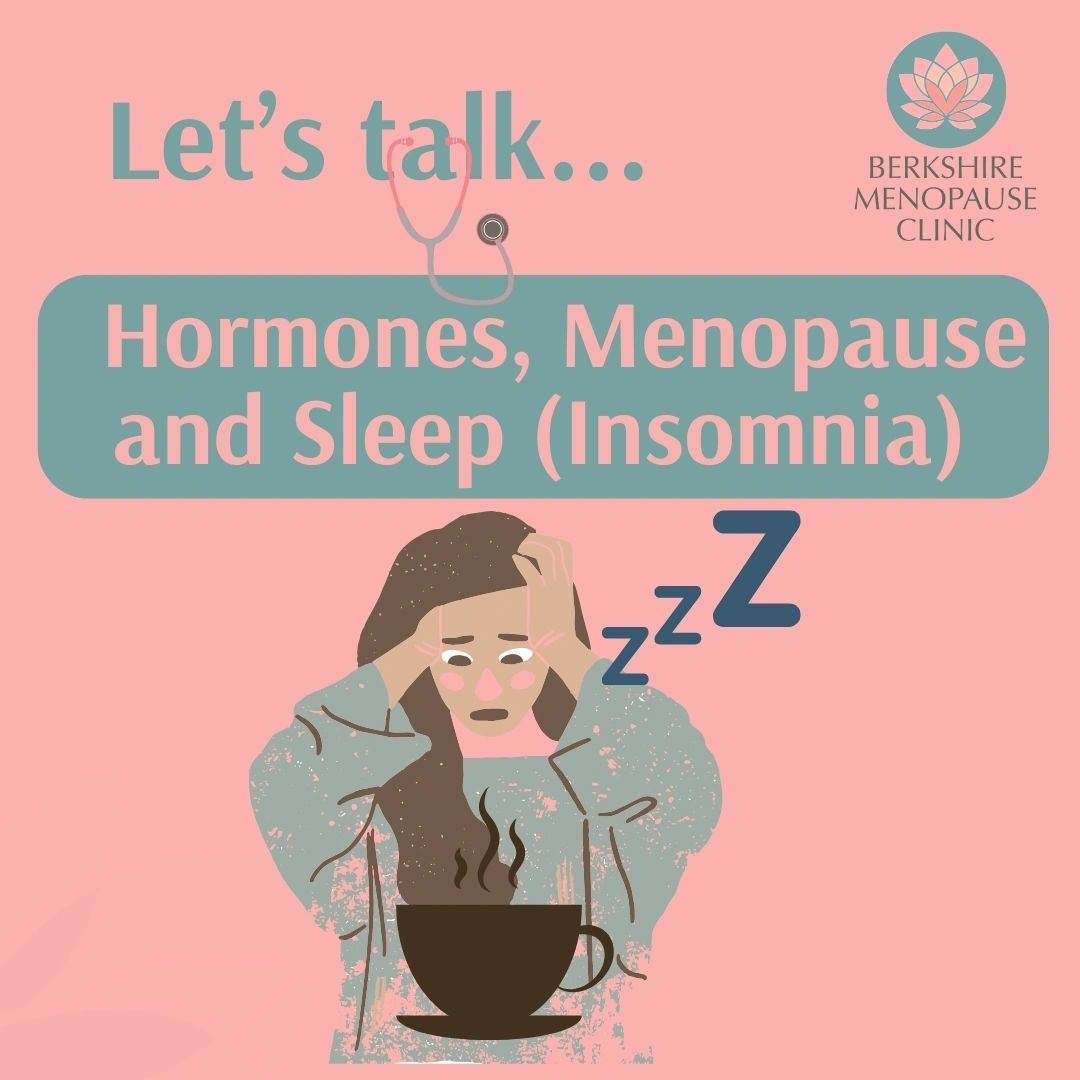
Hormonal insomnia in females can be caused by fluctuations in hormone levels, particularly estrogen and progesterone, throughout the menstrual cycle, pregnancy, perimenopause, and menopause. These hormonal changes can disrupt the body’s natural sleep-wake cycle, leading to difficulty falling asleep or staying asleep. Additionally, conditions such as polycystic ovary syndrome (PCOS) or thyroid disorders can also impact hormone levels and contribute to insomnia in females. It is essential for women experiencing hormonal insomnia to consult with a healthcare provider to identify the underlying causes and explore treatment options tailored to their specific hormonal imbalances.
Can hormonal imbalance causes insomnia?
Hormonal imbalance can indeed cause insomnia. When the delicate balance of hormones that regulate our sleep patterns is disrupted, it can lead to difficulties falling asleep, staying asleep, or experiencing restful sleep. Hormones such as cortisol, melatonin, estrogen, and progesterone play crucial roles in our circadian rhythm and overall sleep quality. Factors like stress, diet, lifestyle choices, and certain medical conditions can contribute to hormonal imbalances that affect our ability to get a good night’s rest. Seeking professional guidance to address hormonal issues and implementing lifestyle changes to promote hormone balance can help alleviate hormonal insomnia symptoms and improve sleep quality.
How do you treat hormonal insomnia?
To treat hormonal insomnia, it is essential to address the underlying hormonal imbalances that are disrupting your sleep patterns. Consulting with a healthcare provider or a sleep specialist is crucial for an accurate diagnosis and personalized treatment plan. Depending on the specific hormonal issues identified, treatment options may include hormone replacement therapy, lifestyle modifications, dietary changes, stress management techniques, and in some cases, medication. By targeting the root cause of hormonal insomnia and implementing a comprehensive approach to rebalancing your hormones, you can improve your sleep quality and overall well-being.
Why do I wake up at 3am and can’t go back to sleep?
Many individuals experience the frustrating phenomenon of waking up at 3 am and struggling to fall back asleep, a common symptom of hormonal insomnia. This specific time frame is often associated with a natural drop in body temperature and an increase in cortisol levels, which can disrupt the sleep cycle. Additionally, imbalances in hormones like melatonin, cortisol, estrogen, and progesterone can contribute to this middle-of-the-night awakening. Addressing these hormonal imbalances through lifestyle adjustments, stress management techniques, and potential medical interventions can help improve sleep quality and prevent recurrent awakenings at 3 am.