How to Improve Your Leadership Skills
Leadership is a crucial skill in both professional and personal settings. Whether you are leading a team at work or taking charge of a project with friends, strong leadership skills can make a significant difference in achieving success. Here are some strategies to help you improve your leadership abilities:
Communicate Effectively
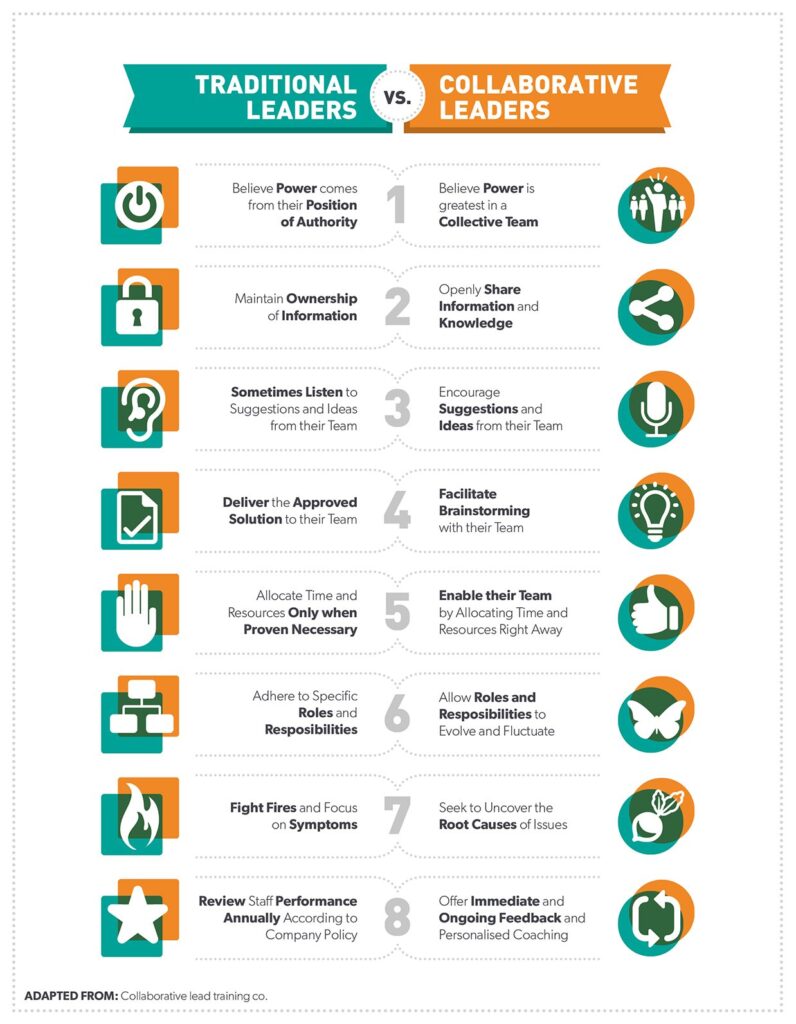
Communication is key to effective leadership. Practice active listening, provide clear instructions, and be open to feedback from your team members. Clear and transparent communication fosters trust and collaboration.
Lead by Example
Show your team what it means to be a leader by demonstrating integrity, accountability, and professionalism in your actions. Your behavior sets the tone for the entire team.
Develop Emotional Intelligence
Emotional intelligence is the ability to understand and manage your emotions as well as those of others. By developing emotional intelligence, you can better connect with your team members, resolve conflicts, and inspire others.
Delegate Tasks Wisely
Effective leaders know when to delegate tasks and empower their team members to take on responsibilities. Delegating tasks not only lightens your workload but also helps develop the skills of your team members.
Continuously Learn and Grow
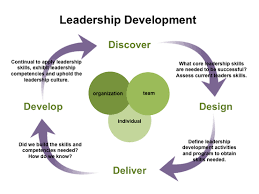
Leadership is an ongoing journey of learning and growth. Stay curious, seek feedback, attend workshops or training programs, and read books on leadership to expand your knowledge and skills.
Inspire and Motivate Others
A great leader inspires their team members to achieve their full potential by setting clear goals, providing support, recognizing achievements, and fostering a positive work environment that motivates everyone to perform at their best.
By incorporating these strategies into your leadership approach, you can enhance your effectiveness as a leader and positively impact those around you.
5 Essential Tips to Enhance Your Leadership Skills
- Communicate clearly and effectively with your team.
- Lead by example and demonstrate the behavior you expect from others.
- Listen actively to your team members’ feedback and ideas.
- Delegate tasks appropriately to empower your team members.
- Continuously seek opportunities for learning and self-improvement in leadership.
Communicate clearly and effectively with your team.
Effective leadership begins with clear and impactful communication within your team. By ensuring that your messages are concise, transparent, and easily understood, you create a foundation of trust and collaboration. Active listening, providing feedback, and fostering open dialogue are essential components of effective communication that can lead to better understanding, improved teamwork, and ultimately, enhanced leadership skills.
Lead by example and demonstrate the behavior you expect from others.
Leading by example is a fundamental aspect of improving leadership skills. By demonstrating the behavior you expect from others, you establish credibility and inspire your team to follow suit. When you embody qualities such as integrity, accountability, and professionalism, you set a standard that motivates others to strive for excellence. Your actions speak louder than words, and by consistently exhibiting the traits you value in your team members, you create a positive and impactful leadership environment.
Listen actively to your team members’ feedback and ideas.
Listening actively to your team members’ feedback and ideas is a fundamental aspect of improving leadership skills. By attentively hearing what your team has to say, you demonstrate respect, build trust, and foster a collaborative environment. Valuing their input not only boosts morale but also opens the door to innovative solutions and fresh perspectives that can propel your team towards success. Effective leaders understand that listening is not just about hearing words but truly comprehending the thoughts and feelings behind them, leading to stronger relationships and better decision-making processes.
Delegate tasks appropriately to empower your team members.
Delegating tasks appropriately is a crucial aspect of improving leadership skills as it allows you to empower your team members and foster their growth and development. By assigning responsibilities based on individual strengths and skill sets, you not only lighten your own workload but also demonstrate trust in your team’s abilities. Empowered team members are more motivated, engaged, and invested in the success of the project or organization, leading to increased productivity and a stronger sense of teamwork. Effective delegation not only benefits the team as a whole but also helps individuals build confidence, acquire new skills, and take on greater challenges in their roles.
Continuously seek opportunities for learning and self-improvement in leadership.
Continuously seeking opportunities for learning and self-improvement in leadership is essential for personal and professional growth. By staying curious, open-minded, and proactive in acquiring new knowledge and skills, leaders can adapt to evolving challenges, inspire their teams, and enhance their overall effectiveness. Embracing a mindset of lifelong learning not only broadens one’s leadership capabilities but also demonstrates a commitment to excellence and continuous improvement, setting a positive example for others to follow.