The Role of Melatonin in Autism
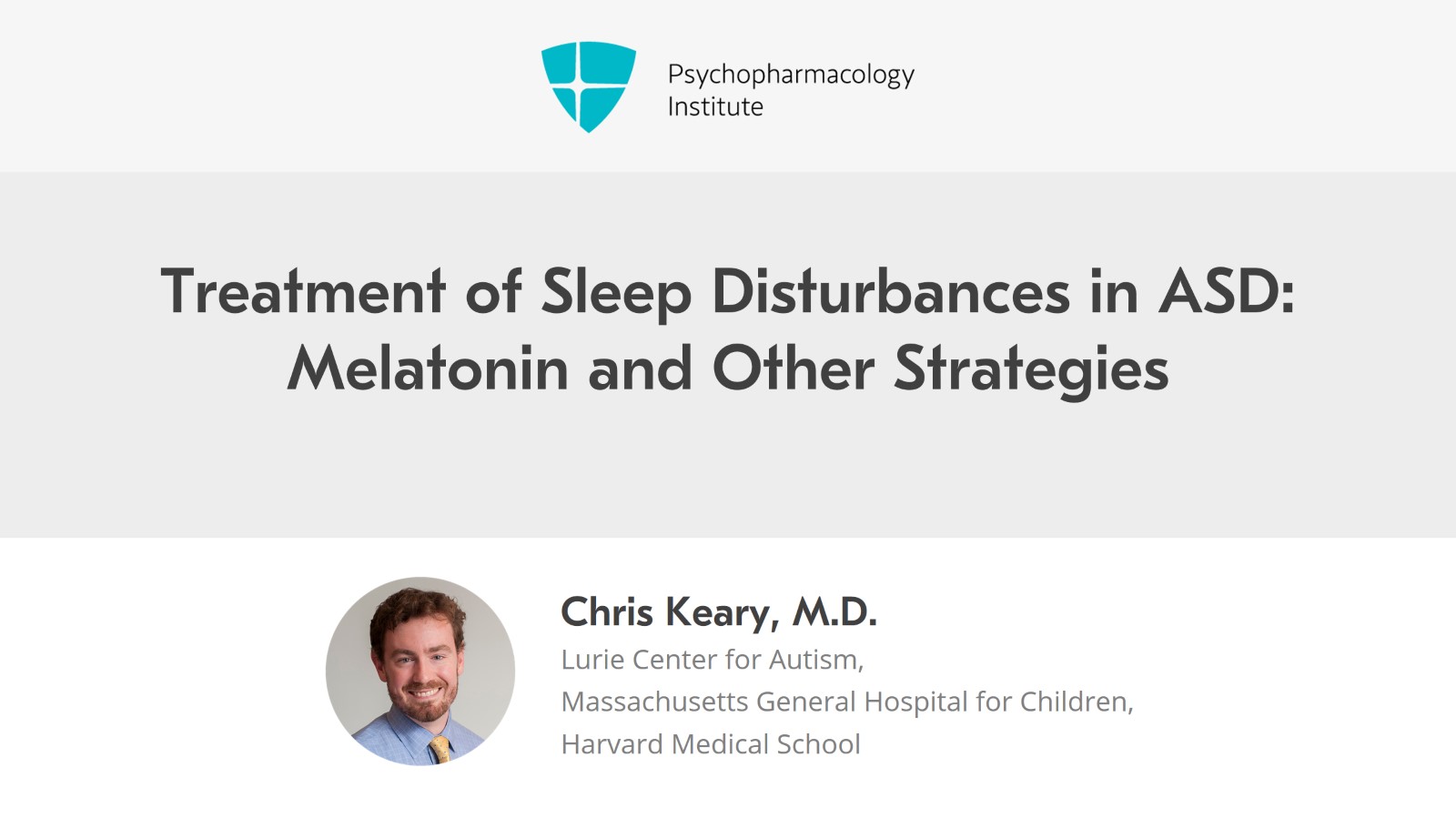
Autism spectrum disorder (ASD) is a complex neurodevelopmental condition that affects communication, behavior, and social interaction. Individuals with autism often experience difficulties with sleep, including insomnia and irregular sleep patterns. One potential treatment for improving sleep in individuals with autism is the hormone melatonin.
Melatonin is a hormone produced by the pineal gland in the brain that regulates the sleep-wake cycle. It plays a crucial role in signaling to the body when it is time to sleep and wake up. Research has shown that many individuals with autism have lower levels of melatonin compared to neurotypical individuals, which may contribute to their sleep disturbances.
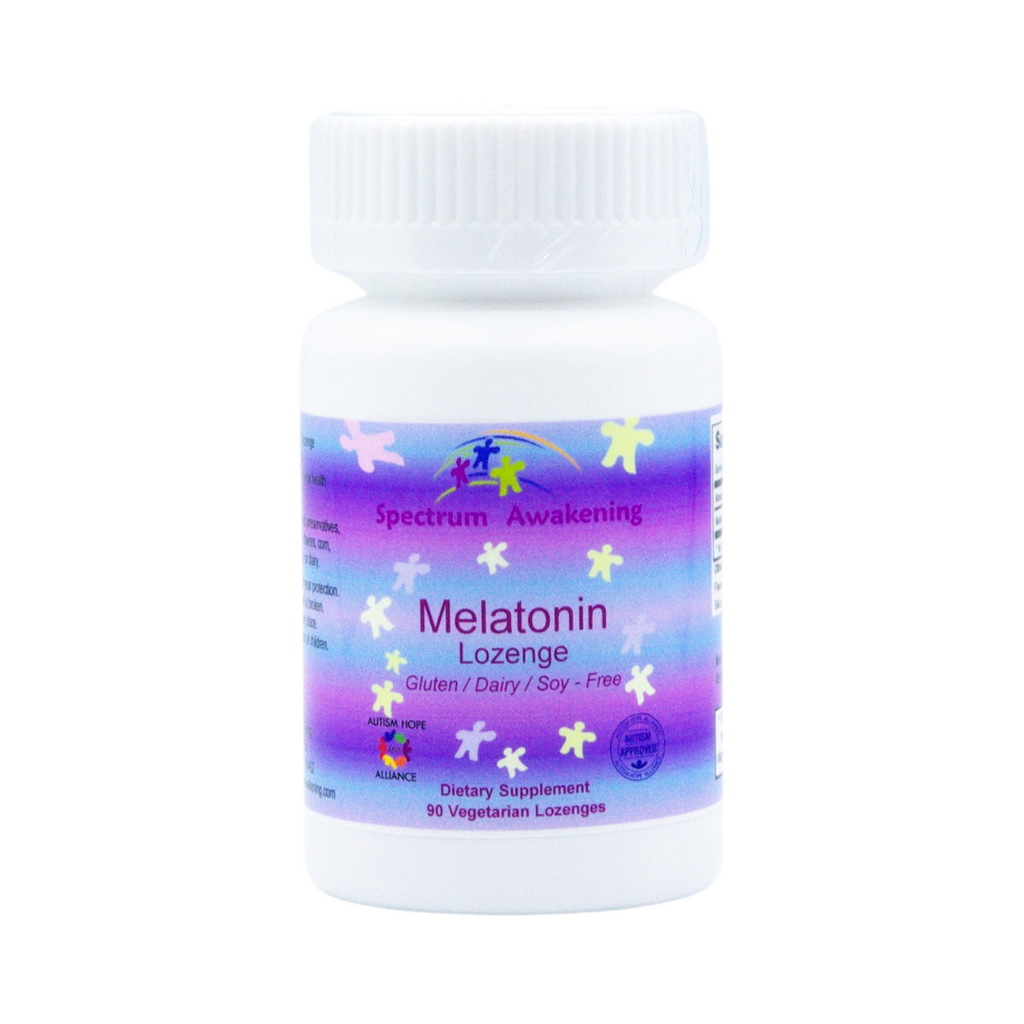
Studies have indicated that melatonin supplementation can be effective in improving sleep quality and reducing insomnia in individuals with autism. By taking melatonin supplements at bedtime, individuals with autism may experience better sleep initiation, longer total sleep duration, and improved overall sleep patterns.
In addition to its role in regulating sleep, melatonin has been studied for its potential benefits beyond improving sleep in individuals with autism. Some research suggests that melatonin may have antioxidant properties and could help regulate certain behaviors associated with autism, such as repetitive behaviors and anxiety.
It’s important to note that while melatonin supplementation can be beneficial for some individuals with autism, it is essential to consult with a healthcare provider before starting any new treatment regimen. A healthcare provider can provide guidance on the appropriate dosage of melatonin based on individual needs and monitor for any potential side effects or interactions with other medications.
In conclusion, melatonin plays a critical role in regulating the sleep-wake cycle and may offer benefits for individuals with autism who experience difficulties with sleep. Further research is needed to fully understand the mechanisms underlying the relationship between melatonin and autism and to explore its potential therapeutic applications beyond improving sleep.
Understanding Melatonin and Autism: Answers to Common Sleep-Related Questions
- What sleep problems are associated with autism?
- How do you get an autistic child to sleep?
- Why do kids with autism wake up so early?
- What supplements calm autism?
- Does melatonin help with autism?
- Is melatonin safe for my autistic child?
- Why do autistic people have low melatonin?
- How much melatonin should an autistic child take?
What sleep problems are associated with autism?
Sleep problems are commonly associated with autism spectrum disorder (ASD), affecting individuals with varying degrees of severity. Some of the sleep issues frequently observed in individuals with autism include difficulties falling asleep, frequent night awakenings, irregular sleep patterns, shortened sleep duration, and early morning waking. These sleep disturbances can have a significant impact on the overall well-being and quality of life of individuals with autism, as well as their families and caregivers. Understanding and addressing these sleep problems are crucial in providing comprehensive care and support for individuals with autism to improve their overall health and daily functioning.
How do you get an autistic child to sleep?
When it comes to helping an autistic child sleep, incorporating a consistent bedtime routine can be key. Establishing a calming pre-sleep routine that includes activities like reading a book, dimming lights, and avoiding stimulating screen time before bed can help signal to the child that it’s time to wind down. Creating a comfortable sleep environment with minimal sensory distractions, such as using blackout curtains or white noise machines, can also promote better sleep quality. Additionally, some parents may consider consulting with healthcare professionals about the potential benefits of melatonin supplementation under medical guidance to address sleep disturbances in autistic children.
Why do kids with autism wake up so early?
Children with autism often experience challenges with sleep, including waking up early. The reasons behind this early waking behavior in kids with autism can be multifaceted. One contributing factor could be related to the disrupted circadian rhythm commonly seen in individuals with autism, which may lead to difficulties in maintaining a consistent sleep schedule. Sensory sensitivities and heightened anxiety levels in children with autism can also play a role in early waking, as environmental factors or internal stressors may trigger wakefulness during the night or early morning hours. Addressing these underlying issues through tailored strategies, such as melatonin supplementation under medical guidance, creating a calming bedtime routine, and ensuring a sleep-conducive environment, can help support better sleep patterns for children with autism who wake up early.
What supplements calm autism?
When it comes to managing autism, melatonin is a commonly recommended supplement that can help calm individuals with autism by improving sleep quality and regulating the sleep-wake cycle. Melatonin is a hormone that plays a crucial role in signaling the body when it’s time to sleep and wake up. By taking melatonin supplements at bedtime, individuals with autism may experience better sleep initiation, longer total sleep duration, and improved overall sleep patterns. However, it’s important to consult with a healthcare provider before introducing any new supplements to an individual’s regimen to ensure safety and proper dosage.
Does melatonin help with autism?
Many individuals wonder, “Does melatonin help with autism?” Research suggests that melatonin supplementation can be beneficial for individuals with autism who experience sleep disturbances. Melatonin, a hormone that regulates the sleep-wake cycle, may improve sleep quality, reduce insomnia, and establish more consistent sleep patterns in individuals with autism. While melatonin’s role in addressing sleep issues is well-documented, further studies are needed to explore its potential benefits beyond improving sleep and its impact on other aspects of autism spectrum disorder. It is advisable to consult with a healthcare provider before considering melatonin supplementation to ensure proper dosage and monitor any potential interactions or side effects.
Is melatonin safe for my autistic child?
When considering the safety of melatonin for autistic children, it is important to consult with a healthcare provider to determine the appropriate dosage and potential risks. While melatonin is generally considered safe for short-term use in children, including those with autism, there may be individual factors to consider such as existing medical conditions or medications that could interact with melatonin. Healthcare providers can provide personalized guidance on whether melatonin is a suitable option for improving sleep in autistic children and monitor for any possible side effects. It is crucial to follow professional advice and recommendations when introducing melatonin as a supplement for autistic children to ensure their well-being and optimal response to treatment.
Why do autistic people have low melatonin?
Autistic individuals often have lower levels of melatonin due to various factors related to their neurodevelopmental condition. The regulation of melatonin production is influenced by the complex interplay of genetic, environmental, and physiological factors. Research suggests that abnormalities in the neural pathways responsible for melatonin synthesis and release may contribute to reduced melatonin levels in individuals with autism. Additionally, disruptions in circadian rhythms, which are common in autism, can affect the natural production of melatonin. These factors combined can lead to disturbances in the sleep-wake cycle and contribute to the prevalence of sleep issues observed in many autistic individuals. Further research is needed to fully elucidate the underlying mechanisms behind low melatonin levels in autism and explore potential interventions to address this imbalance.
How much melatonin should an autistic child take?
Determining the appropriate dosage of melatonin for an autistic child can vary depending on factors such as age, weight, and individual response to the supplement. It is crucial to consult with a healthcare provider or a qualified professional experienced in treating autism spectrum disorder before administering melatonin to a child. They can provide personalized guidance on the optimal dosage based on the child’s specific needs and health considerations. Starting with a low dose and gradually increasing it under professional supervision is typically recommended to assess effectiveness and minimize potential side effects. Monitoring the child’s response to melatonin and making adjustments as needed is essential to ensure safe and effective use of this supplement in managing sleep disturbances associated with autism.