The Relationship Between Melatonin and Anxiety
Anxiety is a common mental health condition that can have a significant impact on a person’s quality of life. Many individuals with anxiety struggle to get a good night’s sleep, which can exacerbate their symptoms and create a vicious cycle of anxiety and sleep disturbances.
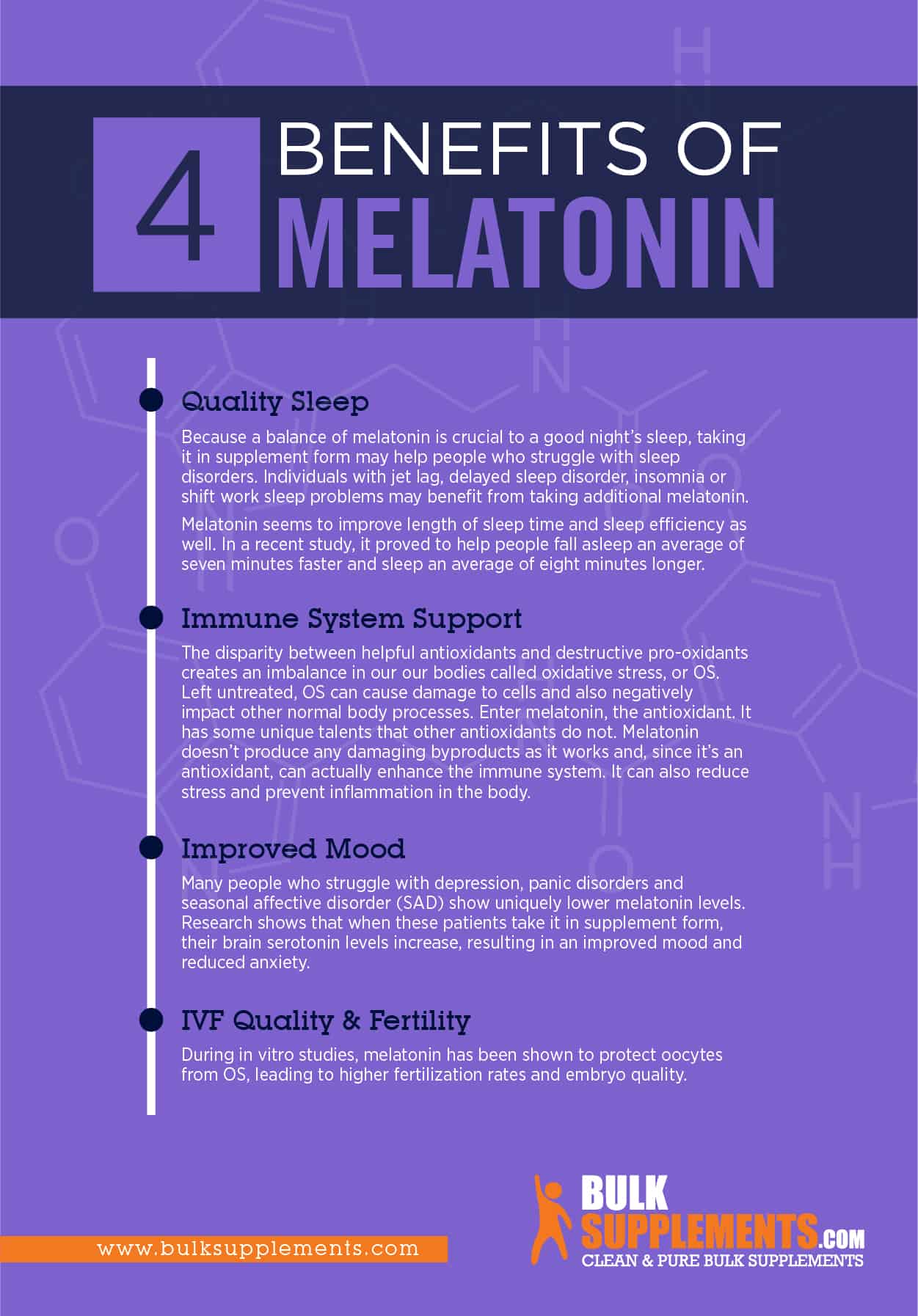
Melatonin is a hormone produced by the pineal gland in the brain that plays a key role in regulating the sleep-wake cycle. It is often referred to as the “sleep hormone” because of its role in promoting relaxation and preparing the body for rest. Melatonin levels naturally rise in the evening as it gets dark, signaling to the body that it is time to sleep.
Research has shown that melatonin may also have an impact on anxiety levels. Studies have suggested that melatonin supplementation may help reduce symptoms of anxiety by promoting relaxation and reducing stress levels. By improving sleep quality, melatonin can also indirectly help manage anxiety symptoms, as lack of sleep can worsen feelings of anxiety and stress.
It’s important to note that while melatonin may be beneficial for some individuals with anxiety, it is not a cure-all solution. It is always best to consult with a healthcare provider before starting any new supplement regimen, especially if you are taking medications or have underlying health conditions.
In conclusion, melatonin and anxiety are interconnected through their effects on sleep quality and stress levels. Incorporating strategies to improve sleep hygiene, such as maintaining a consistent bedtime routine and creating a relaxing sleep environment, along with consulting with healthcare professionals about the potential benefits of melatonin supplementation, may help individuals better manage both their anxiety and sleep disturbances.
Understanding Melatonin and Anxiety: Answers to Common Questions
- Can too much melatonin cause anxiety?
- Can melatonin help with anxiety at night?
- How much melatonin should I take for anxiety?
- Can melatonin affect anxiety?
- What are the side effects of taking melatonin every night?
- Should I take melatonin if I have anxiety?
- Can I take melatonin if I have anxiety?
- How to calm anxiety at night naturally?
Can too much melatonin cause anxiety?
Excessive consumption of melatonin supplements can potentially lead to adverse effects, including increased feelings of anxiety. While melatonin is generally considered safe when taken in appropriate doses, taking too much can disrupt the body’s natural hormone balance and cause unintended side effects. It is essential to follow recommended dosage guidelines and consult with a healthcare provider before starting any new supplement regimen, especially if you have underlying health conditions or are taking other medications. Monitoring your body’s response to melatonin and adjusting the dosage accordingly can help prevent the onset of anxiety symptoms associated with excessive melatonin intake.
Can melatonin help with anxiety at night?
Many people wonder if melatonin can help with anxiety at night. Melatonin, known as the “sleep hormone,” plays a crucial role in regulating the sleep-wake cycle and promoting relaxation. While research suggests that melatonin supplementation may help reduce symptoms of anxiety by improving sleep quality and reducing stress levels, it is important to consult with a healthcare provider before starting any new supplement regimen. Melatonin’s potential to aid in anxiety management at night is linked to its ability to promote relaxation and prepare the body for rest, ultimately contributing to a better night’s sleep, which can positively impact anxiety symptoms.
How much melatonin should I take for anxiety?
When considering melatonin as a potential supplement for anxiety, it is important to consult with a healthcare provider to determine the appropriate dosage based on individual needs and health conditions. The optimal amount of melatonin for anxiety can vary from person to person, and factors such as age, weight, and existing medications should be taken into consideration. Healthcare professionals can provide personalized guidance on the proper dosage of melatonin to help manage anxiety symptoms effectively and safely.
Can melatonin affect anxiety?
Research suggests that melatonin may have an impact on anxiety levels by promoting relaxation and reducing stress. Melatonin, known as the “sleep hormone,” plays a crucial role in regulating the sleep-wake cycle and preparing the body for rest. By improving sleep quality, melatonin can indirectly help manage anxiety symptoms, as lack of sleep can exacerbate feelings of anxiety and stress. It is important to consult with a healthcare provider before considering melatonin supplementation for anxiety management, especially if you are taking medications or have underlying health conditions.
What are the side effects of taking melatonin every night?
Taking melatonin every night may lead to some potential side effects, although they are typically mild and temporary. Common side effects of melatonin supplementation can include daytime drowsiness, dizziness, headaches, and stomach discomfort. Some individuals may also experience vivid dreams or nightmares, especially when taking higher doses of melatonin. It is important to note that long-term effects of taking melatonin every night are not yet fully understood, so it is recommended to use melatonin under the guidance of a healthcare provider and to follow the recommended dosage instructions to minimize the risk of side effects.
Should I take melatonin if I have anxiety?
When considering whether to take melatonin if you have anxiety, it is important to consult with a healthcare provider to determine the best course of action for your individual needs. While melatonin may offer benefits in promoting relaxation and improving sleep quality, which can indirectly help manage anxiety symptoms, it is not a one-size-fits-all solution. Factors such as underlying health conditions, current medications, and individual responses to supplements should be taken into account before incorporating melatonin into your routine. Your healthcare provider can provide personalized guidance and recommendations based on your specific situation to ensure safe and effective use of melatonin in relation to anxiety management.
Can I take melatonin if I have anxiety?
Taking melatonin if you have anxiety is a common concern for many individuals seeking ways to improve their sleep quality. While melatonin is often used as a natural sleep aid and may help regulate the sleep-wake cycle, its potential impact on anxiety can vary from person to person. Some studies suggest that melatonin may have a calming effect and could potentially reduce symptoms of anxiety by promoting relaxation. However, it is essential to consult with a healthcare provider before incorporating melatonin into your routine, especially if you have underlying anxiety issues or are taking other medications. A healthcare professional can provide personalized guidance based on your individual health needs and help determine whether melatonin is a suitable option for managing both sleep disturbances and anxiety symptoms effectively.
How to calm anxiety at night naturally?
To naturally calm anxiety at night, incorporating relaxation techniques and establishing a bedtime routine can be beneficial. Engaging in activities such as deep breathing exercises, meditation, or gentle yoga before bedtime can help relax the mind and body, reducing anxiety levels. Creating a calming sleep environment by dimming lights, avoiding screens, and practicing good sleep hygiene habits like maintaining a consistent sleep schedule can also promote better sleep quality and alleviate nighttime anxiety. Additionally, considering natural supplements like melatonin, known for its role in regulating the sleep-wake cycle and potentially reducing anxiety symptoms, may be worth exploring after consulting with a healthcare provider.