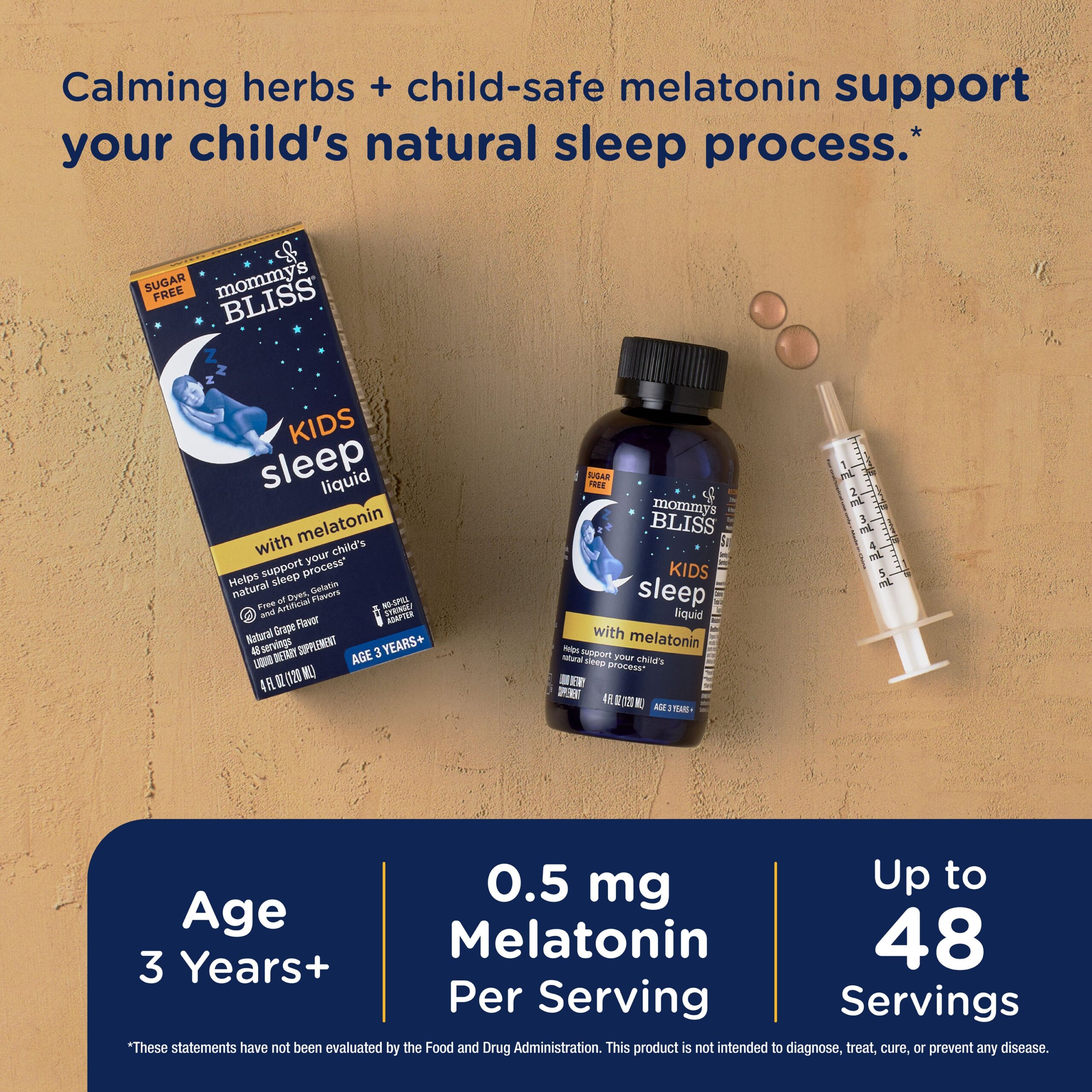
The Use of Melatonin for 18-Month-Old Children
Parents of young children often face challenges when it comes to their child’s sleep patterns. One common solution that may be considered is the use of melatonin supplements. Melatonin is a hormone that helps regulate the sleep-wake cycle and can be produced naturally by the body or taken as a supplement.
When it comes to giving melatonin to 18-month-old children, it is important to approach this decision with caution and consult with a pediatrician. While melatonin is generally considered safe for adults in appropriate doses, its safety and efficacy in young children, especially toddlers, are still being studied.
Some parents may consider using melatonin for their 18-month-old if they are experiencing persistent sleep issues, such as difficulty falling asleep or staying asleep. However, it is crucial to first address any underlying causes of sleep disturbances, such as establishing a consistent bedtime routine, creating a calming sleep environment, and ensuring that the child is getting enough physical activity during the day.
Before giving melatonin to an 18-month-old child, parents should consult with their pediatrician to discuss the potential risks and benefits. The pediatrician can provide guidance on proper dosing, potential side effects, and whether melatonin is appropriate based on the child’s individual health needs.
It is important to note that melatonin should not be used as a long-term solution for sleep issues in young children without addressing the root causes. Parents should also be aware that melatonin supplements are not regulated by the FDA and may vary in quality and potency among different brands.
In conclusion, while melatonin may be considered as a short-term solution for sleep issues in 18-month-old children under the guidance of a healthcare professional, it is essential to explore other strategies for improving sleep habits and addressing any underlying issues contributing to disrupted sleep patterns.
5 Essential Tips for Safely Using Melatonin with Your 18-Month-Old
- Consult with a pediatrician before giving melatonin to an 18-month-old.
- Ensure you are using the correct dosage as recommended by a healthcare professional.
- Establish a consistent bedtime routine to help regulate your child’s sleep patterns naturally.
- Avoid giving melatonin every night to prevent dependency and allow for natural sleep cycles.
- Monitor your child’s response to melatonin closely for any changes in behavior or health.
Consult with a pediatrician before giving melatonin to an 18-month-old.
It is crucial to consult with a pediatrician before considering giving melatonin to an 18-month-old child. Pediatricians can provide valuable insights on the safety, appropriate dosage, and potential risks associated with using melatonin in young children. Their expertise ensures that any decision regarding the use of melatonin aligns with the child’s individual health needs and overall well-being. Seeking professional guidance before administering melatonin to a toddler is essential in promoting safe and effective management of sleep issues in young children.
Ensure you are using the correct dosage as recommended by a healthcare professional.
It is crucial to ensure that you are using the correct dosage of melatonin for an 18-month-old child as recommended by a healthcare professional. Dosage recommendations can vary based on the child’s age, weight, and specific health needs. Consulting with a healthcare provider ensures that the dosage is appropriate and safe for your child, minimizing the risk of potential side effects or complications. Following the recommended dosage guidelines provided by a healthcare professional is essential to promote the safe and effective use of melatonin in young children.
Establish a consistent bedtime routine to help regulate your child’s sleep patterns naturally.
Establishing a consistent bedtime routine is a key tip for parents of 18-month-old children to help regulate their sleep patterns naturally. A predictable and calming bedtime routine signals to the child that it is time to wind down and prepare for sleep. This can include activities such as a warm bath, reading a bedtime story, or gentle lullabies. By creating a consistent bedtime routine, parents can help their child develop healthy sleep habits and improve the quality of their sleep without the need for external supplements like melatonin.
Avoid giving melatonin every night to prevent dependency and allow for natural sleep cycles.
It is advisable to avoid giving melatonin to 18-month-old children every night to prevent dependency and to allow for the natural development of their sleep cycles. While melatonin may be helpful in certain situations, using it consistently can potentially disrupt the body’s natural production of this hormone and lead to reliance on external sources for sleep regulation. By using melatonin sparingly and focusing on establishing healthy sleep habits, parents can support their child in developing sustainable and natural sleep patterns. Consulting with a pediatrician for guidance on when and how to use melatonin responsibly can help ensure the child’s well-being and long-term sleep health.
Monitor your child’s response to melatonin closely for any changes in behavior or health.
It is crucial for parents to monitor their 18-month-old child’s response to melatonin closely for any changes in behavior or health. Observing how the child reacts to the supplement can provide valuable insights into its effectiveness and potential impact. Any noticeable changes in behavior or health should be promptly discussed with a pediatrician to ensure the safety and well-being of the child. Regular monitoring and open communication with healthcare professionals are essential when considering the use of melatonin for young children.