The Impact of Stress on Mental Health
Stress is a common experience in our daily lives, but when it becomes chronic or overwhelming, it can have a significant impact on our mental health. The effects of stress on mental well-being are profound and can manifest in various ways.
Physical Effects of Stress
Chronic stress can lead to physical symptoms such as headaches, muscle tension, fatigue, and digestive issues. These physical manifestations of stress can exacerbate existing health conditions and contribute to overall feelings of discomfort and unease.
Emotional Effects of Stress
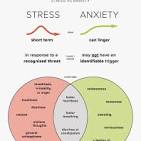
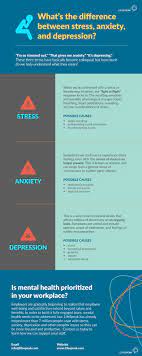
Stress can also take a toll on our emotional well-being. It can lead to feelings of anxiety, irritability, sadness, and overwhelm. Prolonged stress may increase the risk of developing mood disorders such as depression or anxiety disorders.
Cognitive Effects of Stress
When under stress, our cognitive functions may be impaired. We may experience difficulties with concentration, memory recall, decision-making, and problem-solving. Chronic stress can affect our ability to focus and perform tasks effectively.
Behavioral Effects of Stress
Stress can influence our behavior in various ways. Some individuals may turn to unhealthy coping mechanisms such as overeating, substance abuse, or social withdrawal. Others may experience changes in sleep patterns or exhibit signs of agitation and restlessness.
Coping with Stress for Better Mental Health
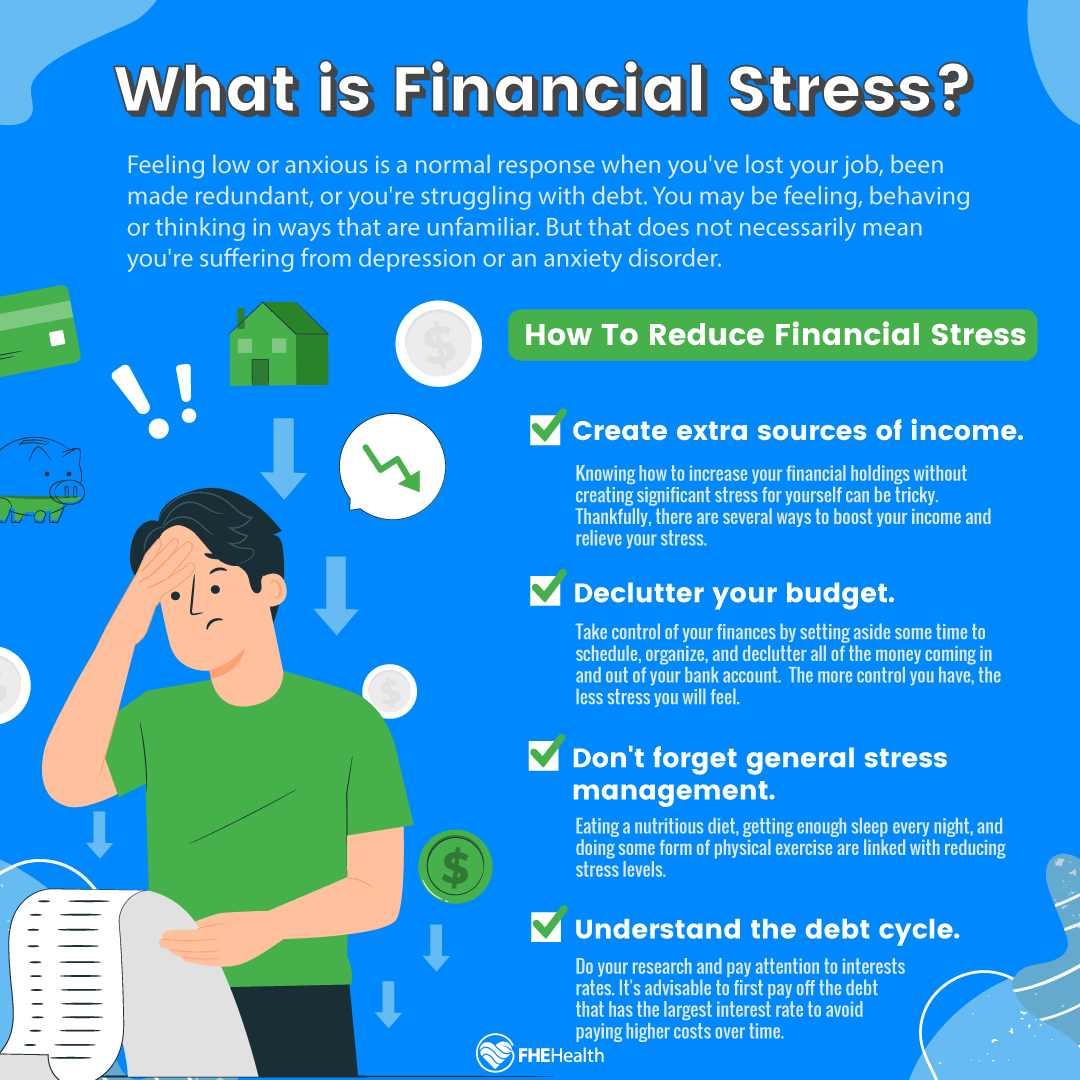
To mitigate the negative impact of stress on mental health, it is important to develop healthy coping strategies. These may include regular exercise, mindfulness practices, seeking social support, engaging in hobbies or activities that bring joy, and practicing relaxation techniques such as deep breathing or meditation.
Seeking Professional Help
If you are struggling with chronic stress and notice its detrimental effects on your mental health, it is essential to seek help from a mental health professional. Therapy, counseling, or other interventions can provide you with the tools and support needed to manage stress effectively and improve your overall well-being.
In conclusion, understanding the impact of stress on mental health is crucial for maintaining a balanced and healthy lifestyle. By recognizing the signs of stress and taking proactive steps to address them, you can protect your mental well-being and enhance your quality of life.
7 Essential Tips for Managing Stress and Enhancing Mental Health
- Practice deep breathing exercises
- Engage in regular physical activity
- Maintain a healthy and balanced diet
- Get enough quality sleep each night
- Take breaks and make time for relaxation
- Connect with friends and loved ones for support
- Consider seeking professional help if needed
Practice deep breathing exercises
Practicing deep breathing exercises is a simple yet powerful technique that can significantly impact stress levels and mental health. Deep breathing helps activate the body’s relaxation response, reducing feelings of anxiety and promoting a sense of calmness. By focusing on slow, deep breaths, individuals can regulate their heart rate, lower blood pressure, and improve oxygen flow to the brain, leading to enhanced clarity and emotional stability. Incorporating deep breathing exercises into daily routines can serve as a valuable tool in managing stress and nurturing overall well-being.
Engage in regular physical activity
Engaging in regular physical activity is a powerful way to combat stress and promote positive mental health. Exercise has been shown to release endorphins, the body’s natural mood lifters, which can help reduce feelings of anxiety and depression. Physical activity also provides a healthy outlet for pent-up energy and tension, helping to clear the mind and improve focus. Whether it’s a brisk walk, a yoga session, or a gym workout, incorporating regular exercise into your routine can have significant benefits for both your physical and mental well-being.
Maintain a healthy and balanced diet
Maintaining a healthy and balanced diet is crucial for managing stress and promoting good mental health. Eating a variety of nutrient-rich foods, such as fruits, vegetables, whole grains, lean proteins, and healthy fats, provides the essential vitamins and minerals that support brain function and mood regulation. Avoiding excessive consumption of processed foods, sugary snacks, and caffeine can help stabilize energy levels and prevent mood swings. Additionally, staying hydrated by drinking plenty of water throughout the day can enhance cognitive performance and reduce feelings of fatigue. By prioritizing a well-rounded diet, you can nourish your body and mind, improving your resilience to stressors and enhancing your overall well-being.
Get enough quality sleep each night
Getting enough quality sleep each night is crucial for managing stress and maintaining good mental health. Sleep plays a vital role in our overall well-being, helping to regulate emotions, consolidate memories, and restore the body and mind. When we are well-rested, we are better equipped to cope with daily stressors and challenges. On the other hand, lack of quality sleep can exacerbate feelings of anxiety, irritability, and fatigue, making it harder to manage stress effectively. Prioritizing a consistent sleep schedule and creating a restful environment can significantly impact our mental resilience and ability to handle stressors in a healthy manner.
Take breaks and make time for relaxation
Taking breaks and making time for relaxation are essential practices for managing stress and maintaining good mental health. In our fast-paced world, it’s easy to get caught up in the hustle and bustle of daily life without giving ourselves a chance to recharge. By intentionally scheduling breaks throughout the day and engaging in activities that promote relaxation, such as deep breathing exercises, meditation, or spending time in nature, we can help alleviate stress and improve our overall well-being. Prioritizing self-care through regular breaks and relaxation can enhance our resilience, focus, and emotional balance, ultimately leading to a healthier mind and body.
Connect with friends and loved ones for support
Connecting with friends and loved ones for support is a valuable tip for managing stress and promoting good mental health. Building strong social connections can provide a sense of belonging, reduce feelings of isolation, and offer a supportive network during challenging times. Sharing your thoughts and emotions with trusted individuals can help alleviate stress, gain perspective on issues, and receive empathy and encouragement. Whether through meaningful conversations, shared activities, or simply spending time together, nurturing relationships with friends and loved ones can have a positive impact on your well-being.
Consider seeking professional help if needed
When it comes to managing stress and safeguarding mental health, it is important to prioritize self-care and recognize when additional support may be beneficial. If you find that stress is significantly impacting your daily life, emotions, or behaviors, consider seeking professional help. Mental health professionals such as therapists, counselors, or psychologists can offer valuable insights, tools, and strategies to help you navigate through challenging times and develop healthier coping mechanisms. Remember that seeking help is a sign of strength and self-awareness, and it can lead to long-lasting improvements in your well-being.