The Link Between Insomnia and Anxiety
Insomnia, the inability to fall asleep or stay asleep, is a common sleep disorder that affects millions of people worldwide. While there are various causes of insomnia, one significant factor is anxiety. Anxiety can significantly impact our ability to relax and unwind, making it difficult to fall asleep and stay asleep throughout the night.
How Anxiety Affects Sleep
Anxiety triggers a state of hyperarousal in the body and mind, leading to increased heart rate, racing thoughts, and heightened alertness. This heightened state of arousal can make it challenging to transition from wakefulness to sleep, as the mind remains preoccupied with worries and fears.
Individuals experiencing anxiety-related insomnia may find themselves tossing and turning in bed, unable to quiet their racing thoughts. This cycle of poor sleep can exacerbate feelings of anxiety, creating a vicious cycle that impacts both mental well-being and overall health.
Treatment Options
Addressing both anxiety and insomnia is crucial for improving sleep quality and overall well-being. Treatment options may include:
- Cognitive Behavioral Therapy (CBT): CBT is a therapeutic approach that helps individuals identify and challenge negative thought patterns contributing to anxiety and insomnia.
- Relaxation Techniques: Practices such as deep breathing exercises, progressive muscle relaxation, and mindfulness meditation can help calm the mind and body before bedtime.
- Medication: In some cases, healthcare providers may prescribe medications to alleviate symptoms of anxiety or promote better sleep.
- Lifestyle Changes: Adopting healthy sleep habits, such as maintaining a consistent sleep schedule, creating a relaxing bedtime routine, and limiting caffeine intake, can also improve sleep quality.
Seeking Support
If you are experiencing insomnia due to anxiety, it’s essential to seek support from healthcare professionals or mental health experts. Addressing underlying anxiety issues through therapy or counseling can not only improve your sleep but also enhance your overall quality of life.
Remember that you are not alone in facing these challenges. With the right support and treatment approach, you can effectively manage anxiety-related insomnia and enjoy restful nights once again.
8 Effective Tips to Combat Insomnia Caused by Anxiety
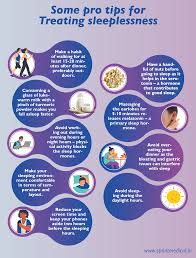
- Practice relaxation techniques before bedtime, such as deep breathing or meditation.
- Create a calming bedtime routine to signal your body that it’s time to sleep.
- Limit screen time before bed as the blue light can interfere with your sleep.
- Avoid caffeine and heavy meals close to bedtime.
- Ensure your bedroom is conducive to sleep by keeping it dark, quiet, and at a comfortable temperature.
- Try cognitive-behavioral therapy for insomnia (CBT-I) to address the underlying anxiety causing your sleep issues.
- Stay physically active during the day but avoid vigorous exercise close to bedtime.
- Consider talking to a therapist or counselor about your anxiety and its impact on your sleep.
Practice relaxation techniques before bedtime, such as deep breathing or meditation.
To alleviate insomnia caused by anxiety, it is beneficial to incorporate relaxation techniques into your bedtime routine. Engaging in practices like deep breathing or meditation can help calm the mind and body, reducing feelings of stress and promoting a sense of peace before sleep. By dedicating time to these relaxation techniques, you can create a soothing environment that encourages restful sleep and effectively manages anxiety-related insomnia.
Create a calming bedtime routine to signal your body that it’s time to sleep.
Creating a calming bedtime routine can be a powerful tool in managing insomnia caused by anxiety. By establishing a consistent series of relaxing activities before bed, such as reading a book, taking a warm bath, or practicing gentle yoga stretches, you can signal to your body that it’s time to wind down and prepare for sleep. This routine helps shift your focus away from anxious thoughts and promotes a sense of relaxation, making it easier to transition into a restful night’s sleep.
Limit screen time before bed as the blue light can interfere with your sleep.
Limiting screen time before bed is a crucial tip for managing insomnia caused by anxiety. The blue light emitted by screens, such as smartphones, tablets, and computers, can disrupt the production of melatonin, the hormone responsible for regulating sleep-wake cycles. By reducing exposure to screens before bedtime, individuals can mitigate the impact of blue light on their sleep quality and create a more conducive environment for relaxation and rest. Implementing this simple yet effective strategy can help alleviate anxiety-related insomnia and promote better overall sleep hygiene.
Avoid caffeine and heavy meals close to bedtime.
Avoiding caffeine and heavy meals close to bedtime is crucial for managing insomnia caused by anxiety. Caffeine is a stimulant that can increase alertness and interfere with the ability to fall asleep, exacerbating anxiety-related sleep difficulties. Heavy meals close to bedtime can lead to indigestion and discomfort, making it harder to relax and drift off to sleep. By prioritizing lighter, easily digestible snacks and beverages in the evening hours, individuals can support their body’s natural sleep-wake cycle and promote better restorative sleep, contributing to improved overall well-being.
Ensure your bedroom is conducive to sleep by keeping it dark, quiet, and at a comfortable temperature.
To combat insomnia caused by anxiety, it is essential to create a sleep-conducive environment in your bedroom. Make sure the room is dark, quiet, and at a comfortable temperature to promote relaxation and restful sleep. Eliminate sources of light that can disrupt your circadian rhythm and invest in light-blocking curtains or shades if necessary. Reduce noise levels by using earplugs or white noise machines to create a peaceful atmosphere. Maintaining a comfortable temperature can also help signal to your body that it’s time to rest. By optimizing your bedroom environment for sleep, you can enhance your chances of overcoming anxiety-related insomnia and achieving a more restorative night’s rest.
Try cognitive-behavioral therapy for insomnia (CBT-I) to address the underlying anxiety causing your sleep issues.
Addressing the underlying anxiety that is causing sleep issues can be effectively tackled by trying cognitive-behavioral therapy for insomnia (CBT-I). CBT-I is a therapeutic approach that focuses on reshaping negative thought patterns and behaviors related to sleep, helping individuals break the cycle of anxiety-induced insomnia. By working with a trained therapist, you can learn techniques to manage anxiety, improve sleep hygiene, and cultivate healthier sleep habits, ultimately leading to better quality rest and enhanced overall well-being.
Stay physically active during the day but avoid vigorous exercise close to bedtime.
It is important to stay physically active during the day to promote better sleep, especially when dealing with insomnia caused by anxiety. Engaging in regular physical activity can help reduce stress and anxiety levels, making it easier to relax and unwind at night. However, it is advisable to avoid vigorous exercise close to bedtime as it can elevate heart rate and body temperature, making it harder to fall asleep. Instead, opt for calming activities such as gentle stretching or yoga in the evening to prepare your body and mind for a restful night’s sleep.
Consider talking to a therapist or counselor about your anxiety and its impact on your sleep.
Consider talking to a therapist or counselor about your anxiety and its impact on your sleep. Seeking professional help can provide you with valuable insights, coping strategies, and support in managing both your anxiety and insomnia. A trained therapist can help you explore the root causes of your anxiety, develop effective relaxation techniques, and create a personalized plan to improve your sleep quality. By addressing your mental health concerns proactively, you can take significant steps towards better overall well-being and restful nights of sleep.