The Importance of Mind Relaxation for Overall Well-Being
In today’s fast-paced world, where stress and anxiety seem to be constant companions, the importance of mind relaxation cannot be overstated. Our minds are constantly bombarded with information, tasks, and responsibilities, leading to mental fatigue and emotional overwhelm. Taking the time to relax our minds is crucial for maintaining our overall well-being.
Benefits of Mind Relaxation
When we allow our minds to relax, we give ourselves the opportunity to recharge and rejuvenate. Here are some key benefits of mind relaxation:
- Reduced Stress: Relaxing the mind helps lower stress levels and promotes a sense of calmness.
- Improved Focus: A relaxed mind is better able to concentrate and focus on tasks at hand.
- Better Sleep: Mind relaxation techniques can help improve sleep quality and promote restful sleep.
- Enhanced Creativity: A relaxed mind is more open to new ideas and creative solutions.
- Emotional Balance: Mind relaxation can help regulate emotions and promote emotional well-being.
Ways to Relax the Mind
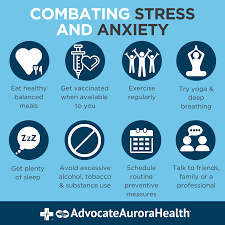
There are various ways to relax the mind and promote mental well-being. Some effective techniques include:
- Meditation: Practicing mindfulness meditation can help quiet the mind and reduce stress.
- Breathing Exercises: Deep breathing exercises can promote relaxation and reduce anxiety.
- Yoga: Engaging in yoga practices can help calm the mind and improve flexibility.
- Nature Walks: Spending time in nature can have a calming effect on the mind and reduce mental fatigue.
- Journaling: Writing down your thoughts and feelings can help clear the mind and promote self-reflection.
Incorporating Mind Relaxation into Your Routine
To experience the benefits of mind relaxation, it’s important to incorporate these practices into your daily routine. Setting aside dedicated time for relaxation activities can help you maintain a healthy balance between work and rest. Remember that taking care of your mental well-being is just as important as taking care of your physical health.
By prioritizing mind relaxation, you can enhance your overall well-being, improve your quality of life, and cultivate a greater sense of inner peace. So take a moment today to relax your mind, unwind from the stresses of daily life, and nurture your mental health.
6 Benefits of Mind Relaxation: Enhancing Calmness, Focus, and Well-Being
- Reduces stress and promotes a sense of calmness.
- Improves focus and concentration on tasks.
- Enhances creativity and open-mindedness.
- Promotes better quality of sleep and restfulness.
- Helps regulate emotions and maintain emotional balance.
- Contributes to overall mental well-being and inner peace.
Challenges and Considerations When Mastering Mind Relaxation Techniques
- May require time and effort to master relaxation techniques
- Some people may find it challenging to quiet their minds
- Initial discomfort or resistance to slowing down and relaxing
- Relaxation practices may not provide immediate results for everyone
- Finding the right relaxation technique that works for you can be a trial-and-error process
Reduces stress and promotes a sense of calmness.
Mind relaxation plays a crucial role in reducing stress and fostering a profound sense of calmness. By engaging in relaxation techniques such as meditation, deep breathing exercises, or yoga, individuals can effectively lower their stress levels and cultivate a peaceful state of mind. This practice not only helps in alleviating the pressures of daily life but also promotes emotional well-being and mental clarity, allowing individuals to navigate challenges with a greater sense of composure and resilience.
Improves focus and concentration on tasks.
Mind relaxation plays a crucial role in enhancing focus and concentration on tasks. By taking the time to calm the mind and clear away distractions, individuals can better direct their attention and energy towards the task at hand. This improved focus allows for increased productivity, efficiency, and quality of work. When the mind is relaxed, it can more easily enter a state of flow where ideas flow freely, problem-solving becomes more effective, and creativity thrives. Prioritizing mind relaxation not only benefits mental well-being but also positively impacts one’s ability to stay engaged and perform at their best in various tasks and activities.
Enhances creativity and open-mindedness.
Mind relaxation plays a crucial role in enhancing creativity and fostering open-mindedness. When our minds are relaxed and free from stress, we are more receptive to new ideas, innovative solutions, and alternative perspectives. By allowing ourselves the space to unwind and clear our thoughts, we create a fertile ground for creative thinking to flourish. Embracing mind relaxation not only boosts our creativity but also expands our capacity to embrace diverse viewpoints and think outside the box, ultimately leading to greater personal growth and development.
Promotes better quality of sleep and restfulness.
Mind relaxation plays a vital role in promoting better quality of sleep and restfulness. By engaging in relaxation techniques such as meditation, deep breathing exercises, or gentle yoga before bedtime, individuals can calm their minds, reduce stress levels, and create an optimal environment for restorative sleep. A relaxed mind is less likely to be plagued by racing thoughts or worries, allowing for a deeper and more rejuvenating sleep experience. Prioritizing mind relaxation not only improves the quantity of sleep but also enhances the overall quality of rest, leading to increased energy levels, improved cognitive function, and a greater sense of well-being upon waking.
Helps regulate emotions and maintain emotional balance.
Mind relaxation plays a crucial role in helping individuals regulate their emotions and maintain emotional balance. By taking the time to relax the mind through techniques such as meditation, deep breathing exercises, or engaging in calming activities like yoga, individuals can effectively manage their emotional responses to various situations. This practice allows for a greater sense of self-awareness and control over one’s emotions, leading to a more stable and balanced emotional state overall.
Contributes to overall mental well-being and inner peace.
Mind relaxation plays a vital role in contributing to overall mental well-being and inner peace. By allowing the mind to unwind and release built-up stress and tension, individuals can experience a sense of calmness and serenity. This practice not only helps in managing daily challenges more effectively but also fosters a deeper connection with oneself, leading to a greater sense of inner peace and emotional balance. Prioritizing mind relaxation as part of a regular routine can significantly enhance one’s mental health and overall quality of life.
May require time and effort to master relaxation techniques
One potential drawback of mind relaxation practices is that they may require a significant amount of time and effort to master the relaxation techniques effectively. Learning how to relax the mind through methods such as meditation, deep breathing exercises, or yoga can be a skill that takes practice and patience to develop. Some individuals may find it challenging to dedicate the necessary time and effort consistently amidst their busy schedules, which could hinder their ability to experience the full benefits of mind relaxation. However, with persistence and commitment, mastering these techniques can lead to improved mental well-being and overall quality of life.
Some people may find it challenging to quiet their minds
For some individuals, achieving mind relaxation can be a daunting task as they may struggle to quiet their busy minds. The constant stream of thoughts, worries, and distractions can make it difficult to find a sense of calm and inner peace. This challenge in quieting the mind may lead to feelings of frustration and discouragement, hindering their efforts to effectively relax and unwind. It is important for such individuals to explore different relaxation techniques and practices that resonate with them personally, allowing them to gradually ease into a state of mental relaxation despite the initial hurdles they may face.
Initial discomfort or resistance to slowing down and relaxing
One common con of mind relaxation is the initial discomfort or resistance that individuals may experience when trying to slow down and relax. In a society that often values productivity and busyness, taking the time to unwind can feel unfamiliar or even challenging. The idea of pausing and quieting the mind may initially evoke feelings of restlessness or unease as individuals struggle to break away from their usual fast-paced routines. However, with patience and practice, overcoming this initial discomfort can lead to significant benefits for mental well-being and overall health.
Relaxation practices may not provide immediate results for everyone
It is important to acknowledge that relaxation practices may not yield immediate results for everyone. While some individuals may experience instant relief and a sense of calmness from mind relaxation techniques, others may require more time and consistent practice to notice significant benefits. It’s essential to understand that the effectiveness of relaxation practices can vary from person to person, and patience and persistence are key when incorporating these techniques into one’s routine. Embracing the journey towards a relaxed mind may require dedication and an open-minded approach to discover what works best for each individual’s unique needs and preferences.
Finding the right relaxation technique that works for you can be a trial-and-error process
Finding the right relaxation technique that works for you can be a trial-and-error process. With so many different methods available, ranging from meditation to yoga to breathing exercises, it can take time and experimentation to discover which approach resonates best with your unique preferences and needs. What works well for one person may not necessarily have the same effect on another, making it important to explore various options until you find the relaxation technique that truly helps you unwind and destress effectively. Embracing this journey of self-discovery can lead to a deeper understanding of your own mind and body, ultimately leading to a more personalized and fulfilling relaxation practice.