
The Benefits of Valerian Root and Melatonin for Sleep
Are you struggling to get a good night’s sleep? If so, you may want to consider natural remedies like valerian root and melatonin. These two supplements have been used for centuries to promote relaxation and improve sleep quality.
Valerian Root
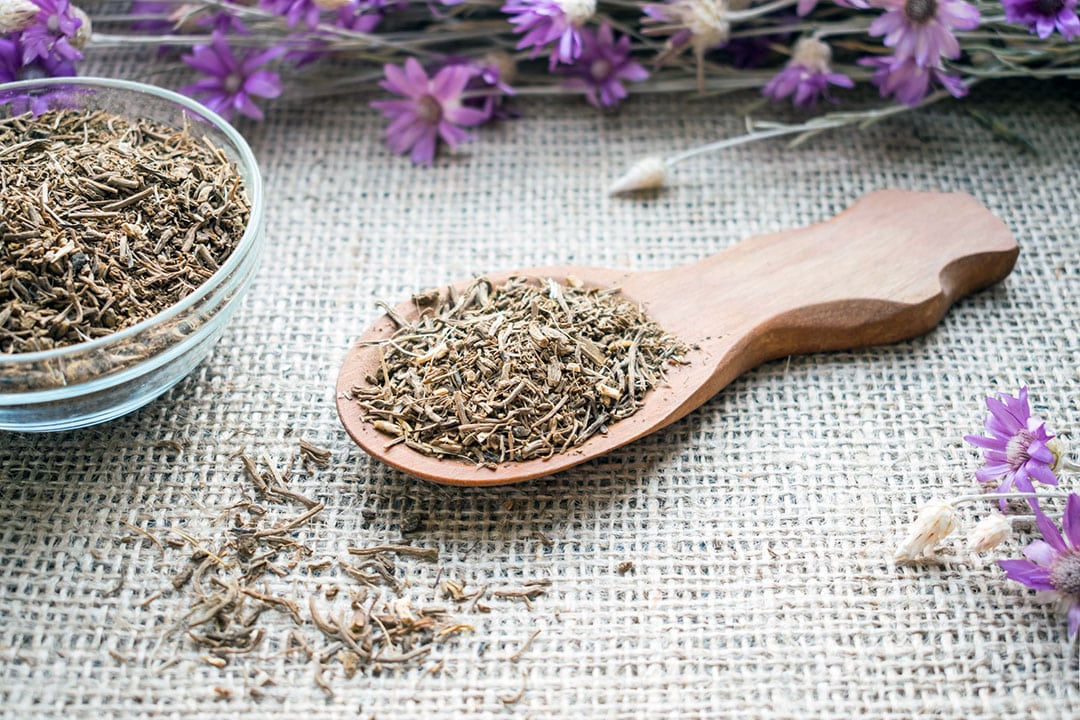
Valerian root is an herb that has been traditionally used as a natural remedy for insomnia and anxiety. It is believed to work by increasing the levels of a neurotransmitter called GABA in the brain, which helps to calm the nervous system and promote relaxation. Valerian root is often taken in supplement form or brewed into a tea.
Studies have shown that valerian root can help improve sleep quality, reduce the time it takes to fall asleep, and decrease nighttime awakenings. It is considered safe for most people when taken at recommended doses, but it may cause mild side effects such as dizziness or stomach upset in some individuals.
Melatonin
Melatonin is a hormone that regulates the sleep-wake cycle in the body. It is produced naturally by the pineal gland in response to darkness, signaling to the body that it is time to sleep. Melatonin supplements are commonly used to treat insomnia and jet lag by helping to reset the body’s internal clock.
Research has shown that melatonin can be effective in reducing the time it takes to fall asleep, improving sleep quality, and increasing total sleep time. It is generally well-tolerated, but side effects such as headaches, dizziness, or nausea may occur in some individuals.
Combining Valerian Root and Melatonin
Some people find that combining valerian root and melatonin can be particularly effective in promoting restful sleep. The calming effects of valerian root combined with the sleep-regulating properties of melatonin can help create a synergistic effect that enhances overall sleep quality.
Before starting any new supplement regimen, it’s important to consult with your healthcare provider, especially if you have any underlying health conditions or are taking medications that may interact with these supplements. While valerian root and melatonin are generally considered safe for short-term use, long-term effects are still being studied.
If you’re looking for natural ways to improve your sleep quality, valerian root and melatonin may be worth considering. Remember to prioritize good sleep hygiene practices such as maintaining a consistent bedtime routine, creating a comfortable sleep environment, and avoiding stimulants close to bedtime for optimal results.
Valerian Root and Melatonin: Top 8 FAQs on Safety, Interactions, and Sleep Benefits
- What herbs not to take with melatonin?
- What’s better for sleep, melatonin or valerian root?
- What should you not take with valerian root?
- Which is better for sleep melatonin or valerian root?
- Can I take melatonin with valerian?
- What not to mix with valerian root?
- What should you not mix with melatonin?
- Can you take melatonin with valerian?
What herbs not to take with melatonin?
When considering the use of melatonin as a sleep aid, it is important to be aware of potential herb interactions that may impact its effectiveness or safety. Some herbs that are not recommended to be taken with melatonin include valerian root, kava, St. John’s wort, and chamomile. These herbs have sedative properties that can enhance the effects of melatonin, leading to excessive drowsiness or other adverse reactions. It is advisable to consult with a healthcare provider or a qualified herbalist before combining melatonin with any other herbs to ensure compatibility and minimize the risk of unwanted side effects.
What’s better for sleep, melatonin or valerian root?
When considering what’s better for sleep between melatonin and valerian root, it ultimately depends on individual preferences and responses to each supplement. Melatonin is a hormone that helps regulate the sleep-wake cycle and can be effective in reducing the time it takes to fall asleep. On the other hand, valerian root is an herb known for its calming effects and ability to promote relaxation, which can aid in improving sleep quality. Some individuals may find that a combination of both melatonin and valerian root works best for them, as each supplement targets different aspects of sleep promotion. It’s important to consult with a healthcare provider to determine the most suitable option based on your specific needs and health conditions.
What should you not take with valerian root?
When considering the use of valerian root, it is important to be aware of potential interactions with other medications or supplements. Certain sedative medications, such as benzodiazepines or central nervous system depressants, may have enhanced effects when taken with valerian root, leading to excessive drowsiness or dizziness. Additionally, combining valerian root with other herbs or supplements that have sedative properties, like kava or melatonin, could also increase the risk of these side effects. It is advisable to consult a healthcare provider before combining valerian root with any other substances to ensure safe and effective use.
Which is better for sleep melatonin or valerian root?
When comparing melatonin and valerian root for improving sleep, it’s important to consider individual preferences and needs. Melatonin is a hormone that helps regulate the sleep-wake cycle, making it effective for addressing issues like insomnia and jet lag. On the other hand, valerian root is an herb known for its calming properties and ability to promote relaxation, which can aid in falling asleep faster and improving overall sleep quality. Some individuals may find that a combination of both melatonin and valerian root works best for them, as each supplement offers unique benefits that can complement each other in promoting restful sleep. Consulting with a healthcare provider can help determine the most suitable option based on specific sleep concerns and health considerations.
Can I take melatonin with valerian?
When considering the combination of melatonin with valerian, it’s important to consult with a healthcare provider to ensure safety and efficacy. While both melatonin and valerian are commonly used supplements to promote sleep, their interactions and potential effects on an individual may vary. Some people find that combining melatonin with valerian can enhance the overall sleep-promoting benefits due to their complementary mechanisms of action. However, it’s crucial to consider factors such as dosage, individual health conditions, and potential drug interactions before taking these supplements together. Consulting a healthcare professional can provide personalized guidance on whether taking melatonin with valerian is suitable for your specific needs and circumstances.
What not to mix with valerian root?
When considering the use of valerian root, it is important to be aware of potential interactions with other medications and substances. Certain medications, such as sedatives, antidepressants, and antihistamines, may have additive effects when combined with valerian root, leading to increased drowsiness or central nervous system depression. Additionally, alcohol should be avoided when taking valerian root as it may enhance the sedative effects of the herb. It is advisable to consult with a healthcare provider before combining valerian root with any other medications or supplements to ensure safety and effectiveness.
What should you not mix with melatonin?
It is important to be cautious about mixing melatonin with certain substances or medications that may interact negatively with it. Avoid combining melatonin with alcohol, as it can amplify the sedative effects of both substances and lead to excessive drowsiness or impaired coordination. Additionally, certain medications such as blood thinners, immunosuppressants, and diabetes medications may interact with melatonin, affecting their efficacy or causing unwanted side effects. Always consult with a healthcare provider before combining melatonin with any other substances or medications to ensure safety and effectiveness.
Can you take melatonin with valerian?
When it comes to combining melatonin with valerian, it is generally considered safe for most individuals. Both melatonin and valerian are natural supplements that are commonly used to promote relaxation and improve sleep quality. Some people find that the calming effects of valerian root complement the sleep-regulating properties of melatonin, creating a synergistic effect that may enhance overall sleep benefits. However, as with any supplement regimen, it is advisable to consult with a healthcare provider before combining melatonin and valerian, especially if you have any underlying health conditions or are taking medications that may interact with these supplements. Your healthcare provider can provide personalized guidance based on your individual health needs and ensure that the combination is safe and appropriate for you.