The Importance of Developing Leadership and Management Skills
Effective leadership and management are crucial components of any successful organization. While leadership focuses on inspiring and guiding a team towards a common goal, management involves planning, organizing, and coordinating resources to achieve that goal efficiently. Both skills are essential for driving innovation, fostering collaboration, and ensuring the overall success of a business.
Key Differences Between Leadership and Management
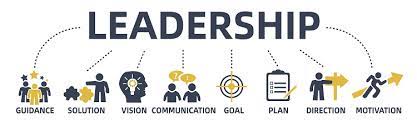
Leadership is about setting a vision, motivating others to follow that vision, and empowering individuals to reach their full potential. Leaders inspire trust, encourage creativity, and provide guidance during times of change or uncertainty.
On the other hand, management involves overseeing day-to-day operations, allocating resources effectively, and ensuring that tasks are completed on time and within budget. Managers focus on maintaining stability, solving problems, and implementing strategies to achieve specific objectives.
Developing Leadership Skills
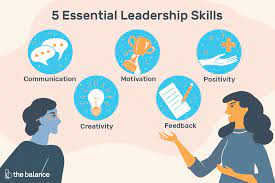
To become an effective leader, individuals should focus on developing key skills such as:
- Communication: Being able to articulate ideas clearly, listen actively to others, and provide constructive feedback.
- Emotional Intelligence: Understanding one’s emotions and those of others to build strong relationships and resolve conflicts effectively.
- Visionary Thinking: Creating a compelling vision for the future and inspiring others to work towards that vision.
- Decision-Making: Making informed decisions based on data analysis, critical thinking, and strategic planning.
Cultivating Management Skills
To excel in management roles, individuals should focus on honing skills such as:
- Organizational Skills: Prioritizing tasks, delegating responsibilities effectively, and managing time efficiently.
- Problem-Solving: Identifying issues, analyzing root causes, and implementing solutions that drive positive outcomes.
- Financial Acumen: Understanding budgets, financial reports, and key performance indicators to make informed decisions about resource allocation.
- Team Building: Creating cohesive teams through effective communication, conflict resolution techniques, and recognition of individual strengths.
In Conclusion
In today’s dynamic business environment, possessing strong leadership and management skills is essential for driving organizational growth and success. By focusing on developing these skills through training programs, mentorship opportunities,
and hands-on experience,
individuals can enhance their ability to lead teams,
drive innovation,
and achieve sustainable results in their professional careers.
Investing in leadership
and management development not only benefits individuals but also contributes
to the overall prosperity
and longevity of the organizations they serve.
By recognizing
the importance
of continuous learning
and skill development in these areas,
individuals can position themselves as effective leaders
and managers who inspire excellence
and drive positive change within their organizations.
9 Key Benefits of Leadership and Management Skills for Organizational Success
- Effective leadership fosters a positive work culture and boosts employee morale.
- Strong management skills ensure efficient resource allocation and task delegation.
- Leadership inspires innovation and encourages creative problem-solving.
- Effective managers maintain productivity levels and meet organizational goals.
- Leadership promotes collaboration among team members and enhances teamwork.
- Good management leads to cost-effective decision-making and budget control.
- Leadership skills empower individuals to take initiative and drive change within the organization.
- Managers with strong skills can adapt quickly to challenges and implement effective solutions.
- Effective leadership and management create a pathway for career advancement and professional growth.
7 Common Pitfalls in Leadership and Management Skills
- Poor leadership can result in lack of direction and confusion among team members.
- Micromanagement by managers can stifle creativity and autonomy within the team.
- Leadership without empathy may lead to low employee morale and high turnover rates.
- Ineffective communication from leaders can cause misunderstandings and conflicts within the team.
- Managers who lack decision-making skills may struggle to address challenges promptly and effectively.
- Overemphasis on hierarchy in management can hinder collaboration and innovation within the organization.
- Leadership or management styles that are too rigid may not adapt well to changing business environments.
Effective leadership fosters a positive work culture and boosts employee morale.
Effective leadership plays a pivotal role in shaping a positive work culture and uplifting employee morale within an organization. When leaders demonstrate clear vision, empathy, and support for their team members, it creates a sense of trust, motivation, and camaraderie among employees. A positive work culture cultivated by strong leadership encourages collaboration, creativity, and open communication, leading to higher job satisfaction and increased productivity. By fostering a supportive environment where employees feel valued and empowered, effective leaders not only boost morale but also inspire loyalty and dedication among their team members.
Strong management skills ensure efficient resource allocation and task delegation.
Strong management skills play a crucial role in ensuring efficient resource allocation and task delegation within an organization. Effective managers possess the ability to identify the strengths and weaknesses of their team members, allowing them to delegate tasks appropriately based on individual capabilities. By allocating resources effectively, managers can optimize productivity and minimize wastage, ultimately leading to cost savings and improved operational efficiency. Additionally, proper task delegation enables teams to work cohesively towards common goals, fostering a culture of collaboration and accountability that drives overall success.
Leadership inspires innovation and encourages creative problem-solving.
Leadership plays a vital role in inspiring innovation and fostering creative problem-solving within an organization. Effective leaders have the ability to cultivate a culture where team members feel empowered to think outside the box, explore new ideas, and take calculated risks. By encouraging creativity and embracing diverse perspectives, leaders can spark innovation that leads to breakthrough solutions and competitive advantages. This proactive approach to problem-solving not only drives continuous improvement but also cultivates a dynamic environment where individuals are motivated to contribute their best ideas towards achieving common goals.
Effective managers maintain productivity levels and meet organizational goals.
Effective managers play a crucial role in maintaining productivity levels and ensuring that organizational goals are met. By effectively organizing resources, delegating tasks, and providing guidance to their team members, managers create a conducive work environment where employees can perform at their best. Their ability to set clear expectations, monitor progress, and make strategic decisions helps drive efficiency and effectiveness within the organization. Through their leadership and management skills, they not only maintain productivity levels but also steer the team towards achieving overall organizational objectives successfully.
Leadership promotes collaboration among team members and enhances teamwork.
Leadership plays a vital role in promoting collaboration among team members and enhancing teamwork within an organization. Effective leaders inspire trust, encourage open communication, and foster a sense of unity among team members. By setting a clear vision and guiding individuals towards common goals, leaders create an environment where team members feel motivated to work together, leverage their unique strengths, and support each other’s success. This collaborative approach not only improves overall team performance but also cultivates a positive work culture based on mutual respect, shared accountability, and collective achievement.
Good management leads to cost-effective decision-making and budget control.
Effective leadership and management skills play a crucial role in ensuring cost-effective decision-making and maintaining budget control within an organization. Good management involves analyzing data, assessing risks, and making informed choices that align with the company’s financial goals. By implementing efficient budgeting strategies, monitoring expenses, and prioritizing resource allocation, managers can optimize operational efficiency and maximize returns on investment. This proactive approach not only helps in reducing unnecessary costs but also fosters a culture of financial responsibility and sustainability, ultimately contributing to the long-term success and growth of the business.
Leadership skills empower individuals to take initiative and drive change within the organization.
Leadership skills empower individuals to take initiative and drive change within the organization. By cultivating strong leadership abilities, individuals not only inspire their peers but also actively contribute to the growth and evolution of the company. Effective leaders are proactive in identifying opportunities for improvement, initiating innovative projects, and motivating others to embrace change. Their ability to envision a better future, communicate a compelling vision, and mobilize resources towards achieving common goals is instrumental in driving progress and fostering a culture of continuous improvement within the organization.
Managers with strong skills can adapt quickly to challenges and implement effective solutions.
Managers with strong leadership and management skills possess the invaluable ability to adapt swiftly to challenges that arise within their organizations. Their adeptness at navigating unexpected situations and swiftly devising effective solutions sets them apart as valuable assets in dynamic work environments. By leveraging their strategic thinking, problem-solving capabilities, and decisive action, these skilled managers not only mitigate risks but also capitalize on opportunities for growth and innovation. Their agility and resilience in the face of adversity enable them to steer their teams towards success, fostering a culture of adaptability and continuous improvement within the organization.
Effective leadership and management create a pathway for career advancement and professional growth.
Effective leadership and management skills serve as a catalyst for career advancement and professional growth. By honing these essential skills, individuals can navigate their career paths with confidence, demonstrating their ability to lead teams, drive strategic initiatives, and achieve organizational objectives. Strong leadership and management capabilities not only open doors to new opportunities but also enable individuals to take on greater responsibilities, expand their influence, and make a lasting impact in their respective fields. Embracing these skills not only propels personal development but also paves the way for long-term success and fulfillment in one’s professional journey.
Poor leadership can result in lack of direction and confusion among team members.
Poor leadership can have detrimental effects on a team, leading to a lack of direction and confusion among team members. When a leader fails to provide clear guidance, set goals, or communicate effectively, it can create uncertainty and disarray within the team. Without a strong leadership presence to steer the team in the right direction, individuals may feel lost, demotivated, and unsure of their roles and responsibilities. This lack of clarity can hinder productivity, teamwork, and overall performance, ultimately impeding the team’s ability to achieve its objectives efficiently.
Micromanagement by managers can stifle creativity and autonomy within the team.
Micromanagement by managers can be a significant con of leadership and management skills as it has the potential to stifle creativity and autonomy within the team. When managers excessively monitor and control every aspect of their team’s work, it can lead to a lack of trust, demotivation, and a decrease in innovation. Team members may feel disempowered and restricted in their decision-making, which hampers their ability to think creatively and take ownership of their work. This micromanagement approach not only limits individual growth but also inhibits the overall productivity and effectiveness of the team as a whole. Leaders should strive to strike a balance between providing guidance and allowing room for autonomy to foster a more collaborative and innovative work environment.
Leadership without empathy may lead to low employee morale and high turnover rates.
Leadership without empathy can have detrimental effects on employee morale and retention rates within an organization. When leaders lack empathy, they may struggle to understand and address the needs, concerns, and emotions of their team members. This can result in employees feeling undervalued, unheard, and disconnected from their work environment. As a consequence, low morale may set in, leading to decreased motivation, productivity, and job satisfaction among staff. Moreover, the absence of empathy in leadership can contribute to high turnover rates as employees seek a more supportive and understanding work culture elsewhere. Ultimately, fostering empathy in leadership is essential for creating a positive and inclusive workplace where employees feel valued, respected, and motivated to contribute their best efforts.
Ineffective communication from leaders can cause misunderstandings and conflicts within the team.
When leaders fail to communicate effectively, it can lead to misunderstandings and conflicts within the team. Ineffective communication may result in unclear expectations, misinterpretations of goals, and a lack of transparency. Team members may feel confused, frustrated, or demotivated when important information is not conveyed clearly or in a timely manner. This breakdown in communication can hinder collaboration, erode trust among team members, and ultimately impact the overall productivity and morale of the team. Leaders must prioritize clear and open communication to foster a positive working environment and ensure that everyone is aligned towards common objectives.
Managers who lack decision-making skills may struggle to address challenges promptly and effectively.
Managers who lack decision-making skills may find themselves ill-equipped to address challenges promptly and effectively. In fast-paced and dynamic work environments, the ability to make timely and well-informed decisions is crucial to overcoming obstacles and seizing opportunities. Without strong decision-making skills, managers may hesitate, leading to delays in problem-solving or missed chances for innovation. This can result in inefficiencies, decreased productivity, and ultimately hinder the overall success of the team or organization. Effective decision-making is a cornerstone of effective leadership and management, enabling leaders to navigate uncertainties with confidence and guide their teams towards achieving desired outcomes.
Overemphasis on hierarchy in management can hinder collaboration and innovation within the organization.
An inherent con of leadership and management skills lies in the overemphasis on hierarchy, which can impede collaboration and stifle innovation within an organization. When hierarchical structures are rigidly enforced, it creates barriers to open communication, idea sharing, and cross-functional collaboration. Employees may feel hesitant to voice their opinions or contribute ideas if they perceive a strict top-down approach. This lack of inclusivity can limit the organization’s ability to harness diverse perspectives and innovative solutions. Effective leadership and management should strive to flatten hierarchies, foster a culture of openness and collaboration, and empower all team members to participate in decision-making processes for enhanced creativity and organizational success.
Leadership or management styles that are too rigid may not adapt well to changing business environments.
Leadership or management styles that are overly rigid may struggle to adapt effectively to evolving business environments. In today’s dynamic and fast-paced world, flexibility and agility are key attributes for successful leadership and management. A rigid approach can hinder the ability to innovate, respond to market shifts, and navigate unexpected challenges. Leaders and managers need to be adaptable, open to change, and willing to embrace new strategies in order to thrive in an ever-changing landscape. By being more flexible in their styles, leaders and managers can better position themselves and their organizations for long-term success.