Sleep Apnea and Insomnia: Understanding the Differences
Sleep apnea and insomnia are two common sleep disorders that can significantly impact a person’s quality of life. While they both affect sleep patterns, they have distinct causes and symptoms.
Sleep Apnea
Sleep apnea is a serious condition characterized by pauses in breathing or shallow breaths during sleep. There are three main types of sleep apnea:
- Obstructive Sleep Apnea (OSA): This is the most common form of sleep apnea, caused by a blockage of the airway, usually when the soft tissue at the back of the throat collapses during sleep.
- Central Sleep Apnea: This type occurs when the brain fails to send signals to the muscles that control breathing.
- Complex Sleep Apnea Syndrome: Also known as treatment-emergent central sleep apnea, this type involves a combination of obstructive and central sleep apnea.
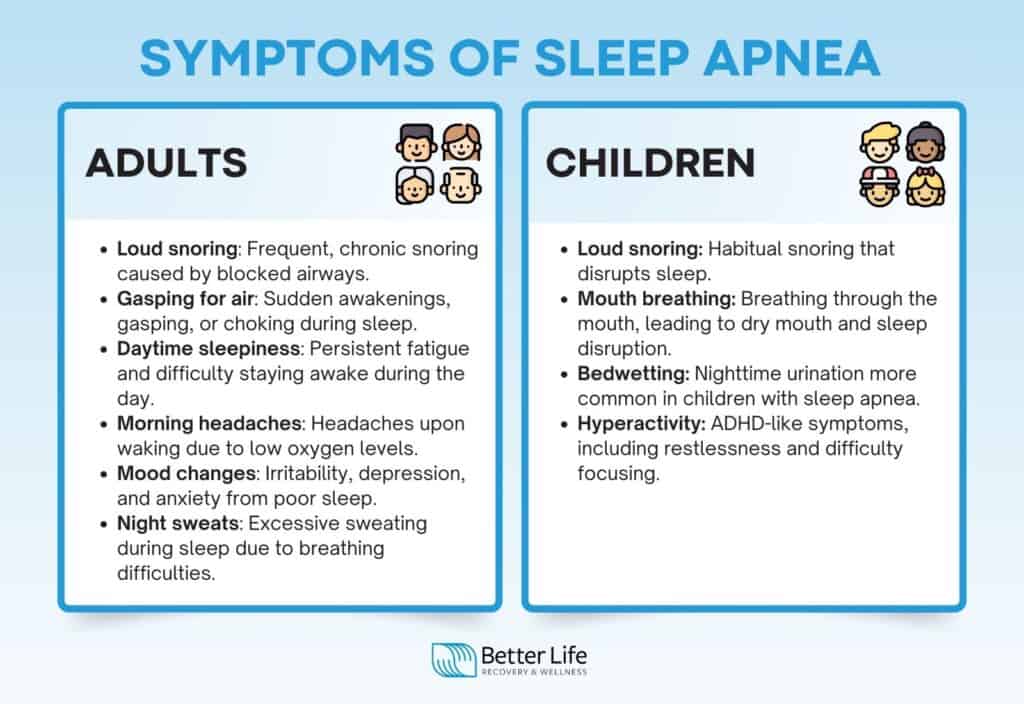
Symptoms of sleep apnea include loud snoring, gasping for air during sleep, daytime fatigue, morning headaches, and irritability. If left untreated, sleep apnea can lead to serious health problems such as high blood pressure, heart disease, and stroke.
Insomnia
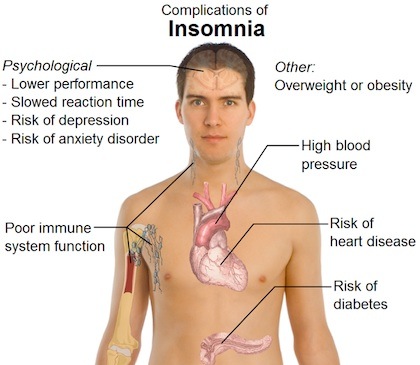
Insomnia is a common sleep disorder characterized by difficulty falling asleep or staying asleep. It can be acute (short-term) or chronic (long-term) and may be caused by various factors such as stress, anxiety, depression, or poor sleep habits.
Common symptoms of insomnia include difficulty falling asleep, waking up frequently during the night, waking up too early in the morning, daytime fatigue, irritability, and difficulty concentrating. Insomnia can significantly impact daily functioning and overall well-being if not effectively managed.
Differences Between Sleep Apnea and Insomnia
The key differences between sleep apnea and insomnia lie in their causes and symptoms:
- Cause: Sleep apnea is primarily caused by physical obstructions in the airway or problems with brain signals controlling breathing. On the other hand, insomnia is often linked to psychological factors such as stress or anxiety.
- Symptoms: While both disorders can result in daytime fatigue and irritability, individuals with sleep apnea are more likely to experience loud snoring and pauses in breathing during sleep compared to those with insomnia.
If you suspect that you may have either sleep apnea or insomnia, it is essential to consult with a healthcare professional for proper diagnosis and treatment options tailored to your specific needs. Both disorders can be effectively managed with lifestyle changes, therapy approaches, or medical interventions depending on individual circumstances.
Understanding Sleep Apnea and Insomnia: Top 8 Frequently Asked Questions
- Will a CPAP machine help insomnia?
- Will a CPAP help with insomnia?
- Can sleep apnea cause you to stay awake?
- Are sleep apnea and insomnia related?
- What is the 3% rule for sleep apnea?
- Are insomnia and sleep apnea connected?
- How do you treat sleep apnea insomnia?
- How do I deal with sleep apnea and insomnia?
Will a CPAP machine help insomnia?
Many people wonder if a CPAP (Continuous Positive Airway Pressure) machine, commonly used to treat sleep apnea by keeping the airway open during sleep, can help with insomnia. While a CPAP machine is not specifically designed to address insomnia, some individuals with both sleep apnea and insomnia may find that using a CPAP machine improves their overall sleep quality. By effectively treating sleep apnea and ensuring better breathing patterns during sleep, the use of a CPAP machine may lead to reduced disruptions in sleep and improved restfulness, which could indirectly alleviate some symptoms of insomnia. However, it is important to consult with a healthcare provider to determine the most appropriate treatment plan for addressing both sleep apnea and insomnia effectively.
Will a CPAP help with insomnia?
It is a common question whether Continuous Positive Airway Pressure (CPAP) therapy, typically used to treat sleep apnea by keeping the airways open during sleep, can also help with insomnia. While CPAP therapy is not a direct treatment for insomnia itself, it may indirectly improve insomnia symptoms in individuals who have both sleep apnea and insomnia. By effectively managing sleep apnea and ensuring better quality of sleep through CPAP therapy, some individuals may experience improvements in their overall sleep patterns, leading to reduced insomnia symptoms such as difficulty falling or staying asleep. However, it is important to consult with a healthcare provider to determine the most appropriate treatment plan for addressing both sleep apnea and insomnia effectively.
Can sleep apnea cause you to stay awake?
Sleep apnea is a sleep disorder characterized by pauses in breathing or shallow breaths during sleep, which can lead to fragmented and disrupted sleep patterns. While sleep apnea itself does not directly cause a person to stay awake, the interruptions in breathing can trigger micro-awakenings throughout the night, preventing individuals from entering into deep, restorative stages of sleep. These frequent awakenings can result in daytime fatigue, irritability, and other symptoms commonly associated with sleep deprivation. It is essential for individuals experiencing symptoms of sleep apnea to seek medical evaluation and treatment to address the underlying causes and improve overall sleep quality.
Are sleep apnea and insomnia related?
Sleep apnea and insomnia are two distinct sleep disorders, each with its own causes and symptoms. While they both affect sleep patterns, they are not directly related in terms of causation. Sleep apnea is primarily characterized by pauses in breathing during sleep due to physical obstructions in the airway or issues with brain signals controlling breathing. On the other hand, insomnia involves difficulty falling asleep or staying asleep and is often linked to psychological factors such as stress, anxiety, or poor sleep habits. While individuals may experience symptoms of both conditions simultaneously, they are considered separate disorders that require specific diagnosis and treatment approaches tailored to each individual’s needs.
What is the 3% rule for sleep apnea?
The 3% rule for sleep apnea refers to the recommended threshold used in assessing the severity of sleep apnea during diagnostic tests, such as a polysomnogram (sleep study). This rule states that if a person experiences apnea (complete cessation of breathing) or hypopnea (shallow breathing) events that result in a 3% or greater drop in blood oxygen levels per hour of sleep, they are likely to be diagnosed with sleep apnea. This criterion helps healthcare professionals determine the severity of the condition and tailor appropriate treatment plans to improve the individual’s quality of sleep and overall health.
Are insomnia and sleep apnea connected?
Insomnia and sleep apnea are two distinct sleep disorders, but they can be interconnected in some cases. While they have different underlying causes and symptoms, individuals with sleep apnea may also experience insomnia as a secondary issue. The fragmented sleep patterns caused by sleep apnea, characterized by pauses in breathing and frequent awakenings during the night, can contribute to difficulty falling asleep or staying asleep, leading to symptoms of insomnia. It is important for individuals experiencing symptoms of both disorders to seek proper evaluation and treatment from healthcare professionals to address their specific sleep-related concerns effectively.
How do you treat sleep apnea insomnia?
Treating sleep apnea insomnia typically involves addressing both the underlying causes of sleep apnea and the symptoms of insomnia. A comprehensive approach may include using continuous positive airway pressure (CPAP) therapy to help keep the airway open during sleep, thereby reducing apnea episodes. Additionally, lifestyle modifications such as maintaining a healthy weight, avoiding alcohol and sedatives before bedtime, and sleeping on your side can also help manage sleep apnea. To address insomnia symptoms, cognitive behavioral therapy for insomnia (CBT-I) is often recommended to improve sleep habits and address any psychological factors contributing to sleep difficulties. It is essential to consult with a healthcare provider to determine the most effective treatment plan tailored to individual needs when dealing with both sleep apnea and insomnia concurrently.
How do I deal with sleep apnea and insomnia?
Dealing with sleep apnea and insomnia requires a comprehensive approach that addresses the specific needs of each individual. For sleep apnea, seeking medical evaluation and treatment options such as continuous positive airway pressure (CPAP) therapy or oral appliances can help maintain open airways during sleep. Lifestyle changes like weight management, avoiding alcohol and sedatives before bedtime, and sleeping on your side can also aid in managing sleep apnea. In the case of insomnia, establishing a consistent bedtime routine, creating a comfortable sleep environment, practicing relaxation techniques, and limiting caffeine intake can promote better sleep quality. Consulting with healthcare professionals, such as sleep specialists or therapists, can provide personalized strategies to effectively manage both sleep disorders and improve overall well-being.