Menopause Sleep Problems: Natural Remedies
Menopause is a natural phase in a woman’s life that marks the end of her menstrual cycles. While it is a normal transition, menopause can bring about various symptoms, including sleep disturbances. Many women going through menopause experience issues with falling asleep, staying asleep, or getting restful sleep.
Fortunately, there are several natural remedies that can help alleviate menopause-related sleep problems:
Establish a Relaxing Bedtime Routine
Create a calming bedtime routine that signals to your body that it’s time to wind down. This could include activities like reading a book, taking a warm bath, or practicing relaxation techniques such as deep breathing or meditation.
Maintain a Cool Sleeping Environment
Hot flashes and night sweats are common during menopause and can disrupt sleep. Keep your bedroom cool by using lighter bedding, wearing breathable pajamas, and using a fan or air conditioning to maintain a comfortable temperature.
Limit Stimulants and Alcohol
Avoid consuming stimulants like caffeine and nicotine close to bedtime, as they can interfere with your ability to fall asleep. Similarly, limit alcohol intake before bed as it can disrupt the quality of your sleep.
Try Herbal Remedies
Some herbal remedies such as valerian root, chamomile tea, and passionflower extract have calming properties that may promote better sleep. Consult with a healthcare provider before trying any herbal supplements.
Practice Regular Exercise
Maintaining a regular exercise routine can help improve sleep quality during menopause. Aim for activities like walking, yoga, or strength training that promote relaxation and overall well-being.
Consider Mind-Body Therapies
Practices like yoga, tai chi, and meditation can help reduce stress levels and promote relaxation, which may contribute to better sleep outcomes for women experiencing menopause-related symptoms.
If you are struggling with sleep problems during menopause, incorporating these natural remedies into your daily routine may help improve the quality of your rest and overall well-being. Remember to consult with a healthcare provider before making significant changes to your lifestyle or trying new supplements or therapies.
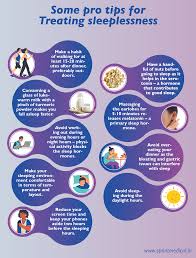
9 Natural Remedies for Better Sleep During Menopause
- Establish a regular sleep schedule to regulate your body’s internal clock.
- Create a relaxing bedtime routine to signal your body that it’s time to wind down.
- Avoid caffeine and alcohol close to bedtime as they can disrupt sleep patterns.
- Stay active during the day but avoid vigorous exercise right before bed.
- Ensure your bedroom is cool, dark, and quiet to promote better sleep.
- Try relaxation techniques such as deep breathing or meditation before bed.
- Consider herbal remedies like valerian root or chamomile tea for their calming effects.
- Limit screen time before bed as the blue light can interfere with melatonin production.
- Consult with a healthcare provider if natural remedies do not improve your sleep quality.
Establish a regular sleep schedule to regulate your body’s internal clock.
Establishing a regular sleep schedule is a crucial tip for managing menopause-related sleep problems naturally. By setting consistent bedtime and wake-up times, you can help regulate your body’s internal clock, also known as the circadian rhythm. This practice can signal to your body when it’s time to rest and when it’s time to be awake, promoting better sleep quality and overall well-being during menopause. Consistency in your sleep schedule can help reduce insomnia and other sleep disturbances commonly experienced by women going through this life stage.
Create a relaxing bedtime routine to signal your body that it’s time to wind down.
Creating a relaxing bedtime routine is a crucial step in addressing menopause-related sleep problems. By establishing calming activities before bed, such as reading a book, taking a warm bath, or practicing relaxation techniques like deep breathing or meditation, you can signal to your body that it’s time to wind down and prepare for restful sleep. This routine helps quiet the mind, reduce stress levels, and promote a sense of relaxation that can lead to better sleep quality during menopause.
Avoid caffeine and alcohol close to bedtime as they can disrupt sleep patterns.
It is recommended to avoid consuming caffeine and alcohol close to bedtime when dealing with menopause-related sleep problems. Both caffeine and alcohol can disrupt sleep patterns and hinder the ability to fall asleep or stay asleep throughout the night. By eliminating or reducing the intake of these substances before bedtime, women experiencing menopause can support better sleep quality and improve their overall restorative rest during this transitional phase in life.
Stay active during the day but avoid vigorous exercise right before bed.
It is recommended to stay active during the day to promote better sleep during menopause, but it’s important to avoid engaging in vigorous exercise right before bedtime. While regular physical activity can help improve sleep quality, intense exercise close to bedtime can elevate heart rate and body temperature, making it harder to relax and fall asleep. Opt for gentle activities earlier in the day and incorporate relaxation techniques in the evening to prepare your body for restful sleep.
Ensure your bedroom is cool, dark, and quiet to promote better sleep.
To promote better sleep during menopause, it is essential to ensure that your bedroom is cool, dark, and quiet. Creating a conducive sleep environment can help minimize disruptions and improve the quality of rest. Keeping the room cool can alleviate hot flashes and night sweats, while darkness promotes the production of melatonin, the hormone that regulates sleep-wake cycles. Additionally, a quiet environment can reduce disturbances and enhance relaxation, contributing to a more restful night’s sleep for women experiencing menopause-related sleep problems.
Try relaxation techniques such as deep breathing or meditation before bed.
To address menopause-related sleep problems, incorporating relaxation techniques like deep breathing or meditation before bedtime can be beneficial. These practices help calm the mind and body, reducing stress and promoting a sense of relaxation that can facilitate falling asleep and staying asleep during the night. By integrating these simple yet effective techniques into your nightly routine, you may experience improved sleep quality and overall well-being during the menopausal transition.
Consider herbal remedies like valerian root or chamomile tea for their calming effects.
Consider incorporating herbal remedies such as valerian root or chamomile tea into your routine to help alleviate menopause-related sleep problems. Valerian root and chamomile tea are known for their calming effects, which can promote relaxation and improve the quality of your sleep. These natural remedies offer a gentle and non-invasive way to support better sleep during the menopausal transition. Remember to consult with a healthcare provider before trying any new herbal supplements to ensure they are safe and suitable for your individual needs.
Limit screen time before bed as the blue light can interfere with melatonin production.
Limiting screen time before bed is a crucial tip for managing menopause-related sleep problems. The blue light emitted by screens such as smartphones, tablets, and computers can disrupt the production of melatonin, the hormone responsible for regulating sleep-wake cycles. By reducing exposure to screens in the evening hours, women going through menopause can support their body’s natural melatonin production and improve their chances of getting a restful night’s sleep.
Consult with a healthcare provider if natural remedies do not improve your sleep quality.
It is important to consult with a healthcare provider if natural remedies do not improve your sleep quality during menopause. While natural remedies can be effective for many women, individual responses may vary. A healthcare provider can offer personalized advice, conduct further evaluations, and recommend additional treatment options to address your specific sleep concerns. Seeking professional guidance ensures that you receive comprehensive care tailored to your unique needs and helps you achieve better sleep outcomes during this transitional phase in life.