The Role of Cognitive Behavioral Therapy (CBT) in Addiction Treatment
When it comes to treating addiction, Cognitive Behavioral Therapy (CBT) has proven to be a highly effective approach. CBT is a type of psychotherapy that focuses on identifying and changing negative thought patterns and behaviors that contribute to addiction.
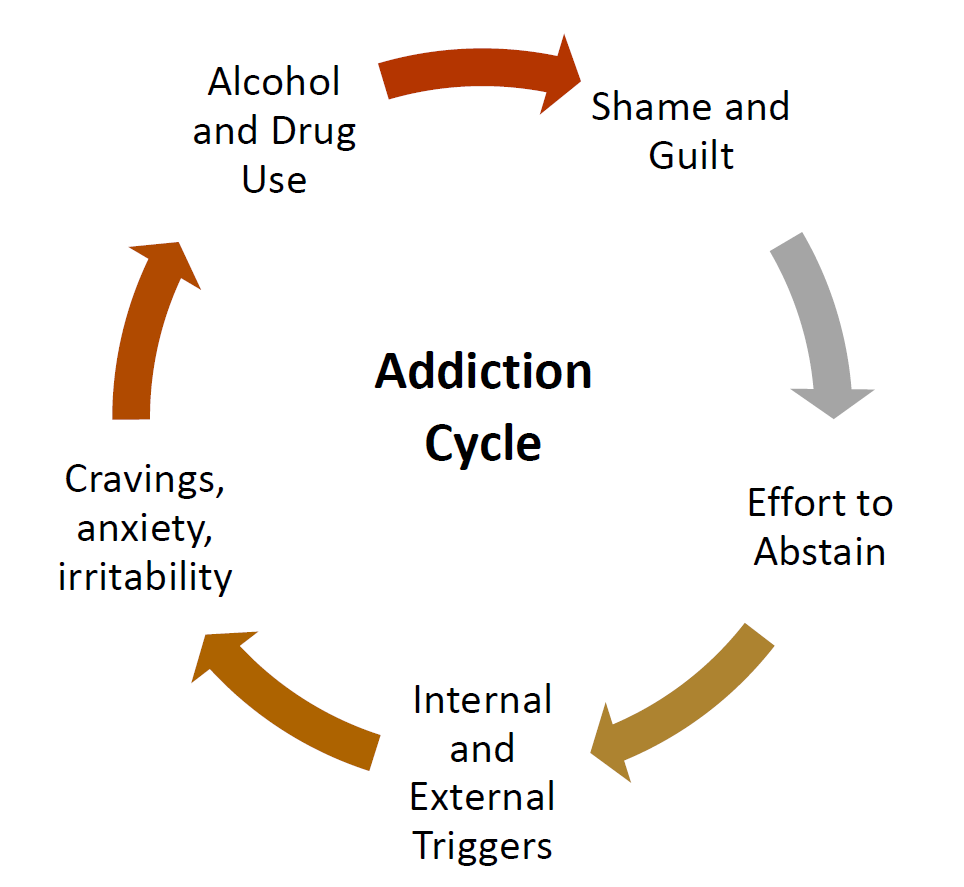
One of the key principles of CBT is understanding how our thoughts, feelings, and actions are interconnected. In the context of addiction, individuals often have distorted beliefs about themselves, their abilities, and the world around them. These beliefs can fuel addictive behaviors and make it difficult to break free from the cycle of substance abuse.
CBT helps individuals challenge these negative beliefs and develop healthier coping strategies to manage cravings, triggers, and stressors that may lead to relapse. By learning to recognize and reframe negative thought patterns, individuals can gain greater control over their behavior and make positive changes in their lives.
Furthermore, CBT equips individuals with practical skills to resist urges, cope with withdrawal symptoms, and navigate challenging situations without turning to substances. Through structured sessions with a trained therapist, individuals can explore the underlying causes of their addiction, set achievable goals for recovery, and learn techniques to prevent relapse.
Research has shown that CBT can be particularly effective in treating various forms of addiction, including alcoholism, drug abuse, gambling addiction, and more. By addressing both the psychological and behavioral aspects of addiction, CBT offers a comprehensive approach to recovery that empowers individuals to make lasting changes in their lives.
If you or someone you know is struggling with addiction, consider exploring Cognitive Behavioral Therapy as part of your treatment plan. With the guidance of a skilled therapist and a commitment to change, CBT can help pave the way towards a healthier, happier life free from the grips of addiction.
Understanding CBT for Addiction: Key Questions and Answers
- Why is CBT effective for addiction?
- What are the 3 rules of CBT?
- What are the 5 steps of CBT?
- What is the cognitive psychology approach to addiction?
- What is the success rate of CBT for addiction?
- Can CBT be used for addiction?
- What are the 4 C’s of addiction?
- How is CBT used for addiction?
Why is CBT effective for addiction?
Cognitive Behavioral Therapy (CBT) is considered effective for addiction treatment due to its focus on addressing the underlying thought patterns and behaviors that contribute to substance abuse. By helping individuals identify and challenge negative beliefs and coping strategies, CBT empowers them to develop healthier ways of managing cravings, triggers, and stressors associated with addiction. Through structured sessions with a trained therapist, individuals learn practical skills to resist urges, cope with withdrawal symptoms, and navigate challenging situations without turning to substances. By targeting both the psychological and behavioral aspects of addiction, CBT provides a comprehensive approach to recovery that promotes lasting change and empowers individuals to take control of their lives.
What are the 3 rules of CBT?
In Cognitive Behavioral Therapy (CBT), there are three fundamental rules that guide the therapeutic process. The first rule emphasizes the interconnected nature of thoughts, feelings, and behaviors, highlighting how our thoughts can influence our emotions and actions. The second rule focuses on identifying and challenging negative or distorted thinking patterns that contribute to emotional distress or maladaptive behaviors. By recognizing and reframing these thought patterns, individuals can cultivate more positive beliefs and responses. The third rule of CBT involves implementing practical strategies and behavioral interventions to promote positive change and develop healthier coping mechanisms. These rules form the foundation of CBT in addressing addiction and other mental health challenges by fostering self-awareness, cognitive restructuring, and skill-building for long-term recovery.
What are the 5 steps of CBT?
In the context of Cognitive Behavioral Therapy (CBT) for addiction, the 5 steps typically involved in this therapeutic approach include: 1) Identifying negative thought patterns and behaviors related to addiction, 2) Challenging and questioning these thoughts to promote more rational and constructive thinking, 3) Developing coping strategies and skills to manage cravings and triggers, 4) Implementing behavioral changes based on new insights and strategies learned in therapy, and 5) Monitoring progress, evaluating outcomes, and making adjustments as needed to support long-term recovery from addiction. These steps form a structured framework that guides individuals through the process of understanding their addiction, changing harmful patterns, and building resilience to prevent relapse.
What is the cognitive psychology approach to addiction?
The cognitive psychology approach to addiction focuses on understanding how our thoughts and beliefs influence addictive behaviors. In this context, cognitive psychologists explore the role of cognitive processes such as perception, memory, reasoning, and decision-making in the development and maintenance of addiction. By examining the ways in which individuals process information related to substance use, cravings, and rewards, cognitive psychology seeks to identify patterns of thinking that contribute to addictive tendencies. This approach emphasizes the importance of addressing distorted thinking patterns and promoting healthier thought processes as key components of addiction treatment through interventions like Cognitive Behavioral Therapy (CBT).
What is the success rate of CBT for addiction?
When it comes to the success rate of Cognitive Behavioral Therapy (CBT) for addiction, it’s important to understand that individual outcomes can vary based on several factors. Research has shown that CBT can be highly effective in treating addiction, with many individuals experiencing significant improvements in their recovery journey. Success rates for CBT in addiction treatment are influenced by factors such as the severity of the addiction, the individual’s commitment to therapy, the presence of co-occurring mental health disorders, and the quality of the therapeutic relationship. While specific success rates may differ among studies and populations, CBT has consistently demonstrated its effectiveness in helping individuals overcome addictive behaviors and develop healthier coping mechanisms for long-term recovery.
Can CBT be used for addiction?
Yes, Cognitive Behavioral Therapy (CBT) can be effectively used for addiction treatment. CBT is a proven psychotherapeutic approach that focuses on changing negative thought patterns and behaviors associated with addiction. By helping individuals identify and challenge these destructive beliefs, CBT equips them with the skills to manage cravings, cope with triggers, and develop healthier coping strategies. Research has shown that CBT is particularly beneficial in addressing various forms of addiction, offering individuals a structured and evidence-based approach to recovery. If you are considering treatment for addiction, exploring CBT as part of your therapy plan can be a valuable step towards lasting positive change.
What are the 4 C’s of addiction?
The 4 C’s of addiction refer to the core components that contribute to the development and maintenance of addictive behaviors. These include: Craving (intense desire or urge for the substance or behavior), Control (loss of control over consumption or engagement despite negative consequences), Compulsion (repetitive and irresistible need to engage in the addictive behavior), and Consequences (negative outcomes resulting from continued use or engagement). Understanding and addressing these 4 C’s is essential in the treatment of addiction through approaches like Cognitive Behavioral Therapy (CBT) to help individuals break free from destructive patterns and achieve lasting recovery.
How is CBT used for addiction?
Cognitive Behavioral Therapy (CBT) is utilized for addiction by helping individuals identify and modify the negative thought patterns and behaviors that contribute to their substance abuse. Through structured sessions with a trained therapist, individuals learn to challenge distorted beliefs, develop healthier coping strategies, and build skills to resist cravings and triggers. CBT aims to address the underlying psychological factors driving addiction, empowering individuals to take control of their behavior and make positive changes in their lives. By offering a comprehensive approach that combines therapy techniques with practical skills training, CBT proves effective in treating various forms of addiction and supporting long-term recovery.