Effective Stress Reduction Strategies
Stress is a common experience in today’s fast-paced world, but it’s important to manage it effectively to maintain our well-being. Here are some proven strategies to reduce stress and promote a sense of calm:
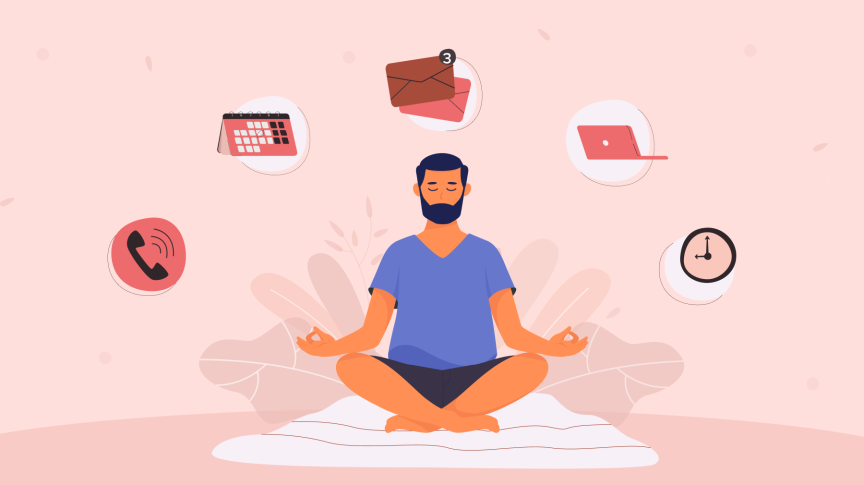
Mindfulness Meditation
Practicing mindfulness meditation involves focusing on the present moment without judgment. This can help reduce stress by calming the mind and increasing self-awareness.
Exercise Regularly
Physical activity releases endorphins, the body’s natural stress relievers. Regular exercise can help reduce tension, improve mood, and boost overall well-being.
Deep Breathing Techniques
Taking deep breaths can trigger the body’s relaxation response and help lower stress levels. Practice deep breathing exercises when you feel overwhelmed or anxious.
Time Management
Prioritize tasks, set realistic goals, and create a schedule that allows for breaks and relaxation. Effective time management can reduce feelings of being overwhelmed and stressed.
Connect with Others
Building strong social connections can provide emotional support during stressful times. Reach out to friends, family members, or support groups for comfort and encouragement.
Limit Screen Time
Constant exposure to screens can contribute to stress and anxiety. Set boundaries on screen time, especially before bedtime, to promote better sleep and mental well-being.
Practice Gratitude
Cultivate a sense of gratitude by focusing on the positive aspects of your life. Keeping a gratitude journal or simply reflecting on what you’re thankful for can shift your perspective and reduce stress.
By incorporating these stress reduction strategies into your daily routine, you can improve your overall quality of life and better cope with life’s challenges.
9 Effective Strategies for Reducing Stress in Your Daily Life
- Practice deep breathing exercises
- Engage in regular physical activity
- Get enough quality sleep each night
- Meditate or practice mindfulness
- Spend time in nature
- Maintain a healthy diet
- Limit caffeine and alcohol intake
- Prioritize tasks and manage time effectively
- Seek social support from friends and family
Practice deep breathing exercises
Practicing deep breathing exercises is a simple yet powerful technique to reduce stress and promote relaxation. By focusing on slow, deep breaths, you can activate the body’s relaxation response, which helps calm the mind and alleviate tension. Deep breathing not only increases oxygen flow to the brain and muscles but also helps lower heart rate and blood pressure, creating a sense of calm and tranquility. Incorporating deep breathing exercises into your daily routine can be a valuable tool in managing stress and improving overall well-being.
Engage in regular physical activity
Engaging in regular physical activity is a powerful stress reduction strategy that can benefit both your physical and mental well-being. Exercise helps release endorphins, the body’s natural mood lifters, which can help combat feelings of stress and anxiety. Whether it’s going for a brisk walk, practicing yoga, or hitting the gym, incorporating physical activity into your routine can improve your overall resilience to stress and promote a sense of relaxation and well-being.
Get enough quality sleep each night
Getting enough quality sleep each night is a crucial component of effective stress reduction strategies. Sleep plays a vital role in our physical and mental well-being, allowing our bodies to rest, repair, and recharge. When we consistently get sufficient and restful sleep, our stress levels decrease, our cognitive function improves, and our overall resilience to daily challenges increases. Prioritizing good sleep hygiene practices, such as maintaining a consistent sleep schedule, creating a relaxing bedtime routine, and ensuring a comfortable sleep environment, can significantly enhance our ability to manage stress effectively and promote a sense of calm in our daily lives.
Meditate or practice mindfulness
Meditating or practicing mindfulness is a powerful stress reduction strategy that can help calm the mind and promote a sense of inner peace. By focusing on the present moment without judgment, individuals can cultivate self-awareness and reduce feelings of anxiety and overwhelm. Regular practice of meditation or mindfulness techniques has been shown to lower stress levels, improve emotional well-being, and enhance overall mental clarity. Incorporating this practice into daily routines can be a valuable tool for managing stress and fostering a greater sense of balance and resilience in the face of life’s challenges.
Spend time in nature
Spending time in nature is a powerful stress reduction strategy that can help restore a sense of calm and well-being. Immersing oneself in natural surroundings, whether it’s a peaceful park, a scenic trail, or a tranquil beach, allows for a break from the hustle and bustle of daily life. The sights, sounds, and smells of nature can have a soothing effect on the mind and body, reducing stress levels and promoting relaxation. Whether it’s taking a leisurely walk in the woods or simply sitting by a serene lake, connecting with nature can provide much-needed respite from the pressures of everyday stressors.
Maintain a healthy diet
Maintaining a healthy diet is a crucial aspect of stress reduction strategies. Eating a balanced diet rich in fruits, vegetables, whole grains, and lean proteins provides essential nutrients that support overall well-being and resilience to stress. Avoiding excessive caffeine, sugar, and processed foods can help stabilize energy levels and mood. Additionally, staying hydrated by drinking plenty of water throughout the day can help improve cognitive function and reduce feelings of fatigue. By nourishing your body with wholesome foods, you can better manage stress and enhance your ability to cope with life’s challenges.
Limit caffeine and alcohol intake
Limiting caffeine and alcohol intake is a crucial tip in stress reduction strategies. While caffeine can provide a temporary energy boost, excessive consumption can lead to increased anxiety and disrupted sleep patterns, ultimately exacerbating stress levels. Similarly, while alcohol may seem like a way to unwind, it can actually interfere with the body’s ability to cope with stress effectively. By moderating the intake of caffeine and alcohol, individuals can better regulate their mood, improve their quality of sleep, and reduce overall stress levels for a healthier and more balanced lifestyle.
Prioritize tasks and manage time effectively
Prioritizing tasks and managing time effectively are crucial components of reducing stress in our daily lives. By identifying the most important tasks and allocating time wisely, we can avoid feeling overwhelmed and maintain a sense of control over our responsibilities. Effective time management allows us to focus on essential tasks, complete them efficiently, and create space for relaxation and self-care. When we prioritize tasks and manage our time effectively, we can enhance productivity, reduce stress levels, and achieve a better work-life balance.
Seek social support from friends and family
Seeking social support from friends and family is a valuable stress reduction strategy that can significantly impact your well-being. Connecting with loved ones allows you to share your feelings, gain perspective on challenging situations, and receive emotional support. Whether through a heartfelt conversation, a fun outing, or simply spending quality time together, the presence of supportive individuals can help alleviate stress and provide a sense of comfort and reassurance during difficult times. Building strong relationships with those closest to you not only strengthens your emotional resilience but also fosters a sense of belonging and connection that is essential for overall mental health.