The Benefits of Stress Counseling
Stress is a common experience in today’s fast-paced world, affecting people of all ages and backgrounds. While some stress can be motivating and help us perform better, chronic or excessive stress can have detrimental effects on our physical, emotional, and mental well-being.
Stress counseling is a valuable resource for individuals struggling to cope with the demands of daily life. Through counseling sessions with trained professionals, individuals can explore the root causes of their stress, develop coping strategies, and learn relaxation techniques to manage their stress more effectively.
Benefits of Stress Counseling:
- Identification of Stress Triggers: A counselor can help you identify the specific situations, thoughts, or behaviors that trigger your stress reactions. By understanding these triggers, you can work towards avoiding or minimizing them in the future.
- Coping Strategies: Counselors can teach you practical coping strategies to deal with stress in healthy ways. These strategies may include deep breathing exercises, mindfulness techniques, time management skills, and setting boundaries.
- Emotional Support: Dealing with chronic stress can be emotionally draining. A counselor provides a safe space for you to express your feelings and concerns without judgment. This emotional support can help you feel heard and validated.
- Behavioral Changes: Through counseling sessions, you can work on changing negative thought patterns and behaviors that contribute to your stress levels. By adopting healthier habits and attitudes, you can reduce your overall stress burden.
- Improved Well-Being: Effective stress management leads to improved overall well-being. By learning how to manage your stress more effectively, you may experience better sleep quality, enhanced relationships, increased productivity, and a greater sense of inner peace.
If you find yourself overwhelmed by stress and unable to cope on your own, consider seeking support from a qualified stress counselor. Remember that asking for help is a sign of strength, not weakness. With the right guidance and support, you can learn to navigate life’s challenges with resilience and grace.
7 Essential Tips for Effective Stress Management Through Counseling
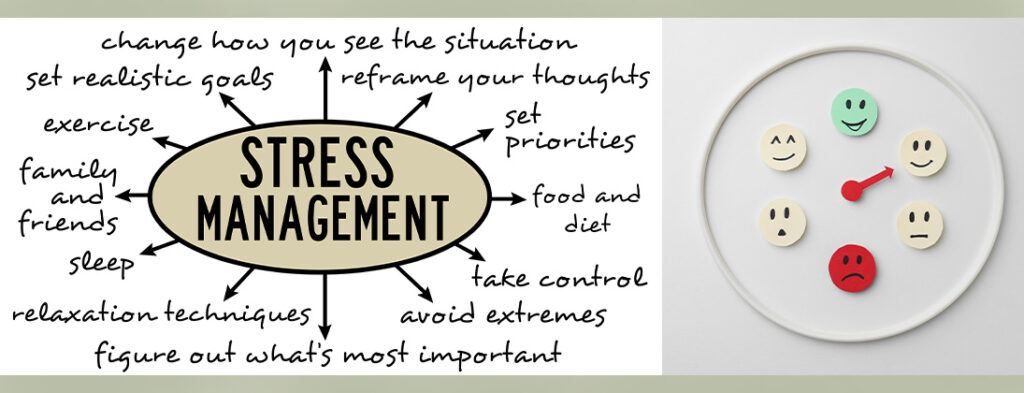
- Practice deep breathing exercises regularly.
- Engage in physical activity to reduce stress levels.
- Maintain a healthy work-life balance.
- Develop strong social connections for emotional support.
- Learn and practice mindfulness techniques.
- Set realistic goals and prioritize tasks effectively.
- Seek professional help from a counselor or therapist when needed.
Practice deep breathing exercises regularly.
Regular practice of deep breathing exercises is a powerful tool in stress counseling. Deep breathing helps to activate the body’s relaxation response, reducing the impact of stress on both the mind and body. By incorporating deep breathing exercises into your daily routine, you can calm your nervous system, lower your heart rate, and promote a sense of peace and well-being. Consistent practice can enhance your ability to manage stress more effectively and improve your overall mental and emotional resilience.
Engage in physical activity to reduce stress levels.
Engaging in physical activity is a powerful way to reduce stress levels. Exercise releases endorphins, the body’s natural mood-boosting chemicals, which can help alleviate feelings of anxiety and tension. Whether it’s going for a brisk walk, practicing yoga, or hitting the gym, physical activity not only improves your physical health but also provides a mental break from stressors. Regular exercise can enhance your overall well-being, increase your energy levels, and promote better sleep – all of which contribute to managing stress more effectively. So lace up your sneakers and get moving to experience the stress-relieving benefits of physical activity.
Maintain a healthy work-life balance.
Maintaining a healthy work-life balance is essential for managing stress effectively. By setting boundaries between work and personal life, individuals can prevent burnout, reduce feelings of overwhelm, and improve overall well-being. Taking time to engage in activities outside of work, such as hobbies, exercise, or spending quality time with loved ones, can help recharge the mind and body. Prioritizing self-care and relaxation is crucial in preventing stress from spilling over into all aspects of life. A balanced approach to work and personal time not only enhances productivity and job satisfaction but also promotes mental clarity and emotional resilience in facing life’s challenges.
Develop strong social connections for emotional support.
Developing strong social connections is a valuable tip in stress counseling. Having a supportive network of friends, family, or peers can provide emotional support during times of stress. Sharing your feelings and experiences with trusted individuals can help alleviate the burden of stress and offer perspective on challenging situations. Strong social connections also promote a sense of belonging and reduce feelings of isolation, fostering resilience in the face of adversity. By nurturing meaningful relationships, individuals can enhance their emotional well-being and better cope with stressors in their lives.
Learn and practice mindfulness techniques.
Learning and practicing mindfulness techniques is a valuable tip in stress counseling. Mindfulness involves being fully present in the moment, acknowledging your thoughts and feelings without judgment. By incorporating mindfulness into your daily routine, you can cultivate a greater sense of awareness and control over your reactions to stressors. Techniques such as deep breathing, body scans, and meditation can help calm the mind, reduce anxiety, and promote emotional well-being. Through consistent practice, you can enhance your ability to manage stress more effectively and foster a sense of inner peace amidst life’s challenges.
Set realistic goals and prioritize tasks effectively.
Setting realistic goals and prioritizing tasks effectively are essential components of stress counseling. By establishing achievable objectives and organizing your responsibilities based on their importance, you can reduce feelings of overwhelm and anxiety. This approach allows you to focus on what truly matters, manage your time efficiently, and maintain a sense of control over your workload. Through guidance from a stress counselor, you can learn to set boundaries, delegate tasks when necessary, and create a balanced plan that aligns with your capabilities and resources. This proactive mindset not only helps in alleviating stress but also promotes a healthier and more sustainable approach to managing life’s demands.
Seek professional help from a counselor or therapist when needed.
When facing overwhelming stress, it is essential to seek professional help from a counselor or therapist when needed. These trained professionals can provide valuable support, guidance, and strategies to help you navigate your stressors effectively. By reaching out for assistance, you are taking a proactive step towards managing your stress and improving your overall well-being. Counselors and therapists offer a safe space for you to explore your thoughts and emotions, develop coping mechanisms, and work towards a healthier mindset. Remember that seeking help is a sign of strength and self-care, allowing you to build resilience and find sustainable solutions to address your stressors.