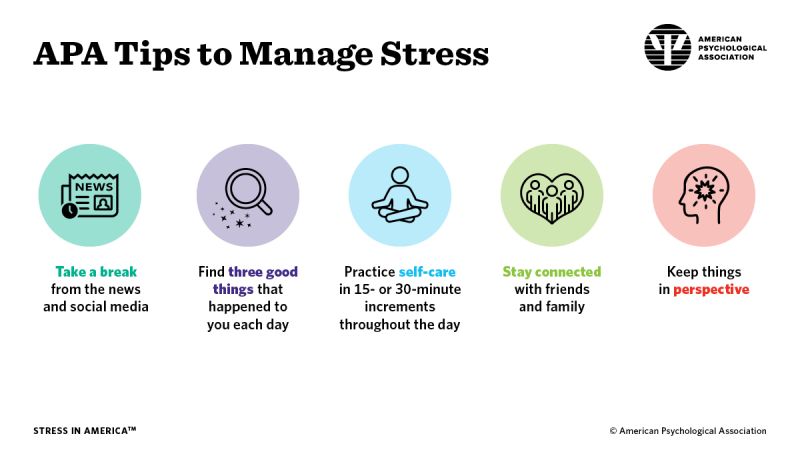
Effective Ways to Handle Stress
Stress is a common part of life, but how we manage it can greatly impact our overall well-being. Here are some effective ways to handle stress:
Practice Mindfulness
Mindfulness involves being fully present in the moment and acknowledging your thoughts and feelings without judgment. By practicing mindfulness through techniques like meditation or deep breathing exercises, you can reduce stress and increase your sense of calm.
Exercise Regularly
Physical activity has been shown to reduce stress by releasing endorphins, which are natural mood lifters. Whether it’s going for a run, practicing yoga, or taking a brisk walk, regular exercise can help you manage stress effectively.
Maintain a Healthy Lifestyle
Eating a balanced diet, getting enough sleep, and staying hydrated are essential for managing stress. A healthy lifestyle can boost your resilience to stressors and improve your overall well-being.
Connect with Others
Social support is crucial for managing stress. Reach out to friends, family members, or a therapist for emotional support and guidance during challenging times. Talking about your feelings can help alleviate stress and provide perspective.
Set Boundaries
Learn to say no to tasks or commitments that overwhelm you. Setting boundaries in both personal and professional relationships is important for prioritizing self-care and reducing stress levels.
Practice Time Management
Organize your tasks and responsibilities effectively by creating a schedule or to-do list. Prioritize important tasks, delegate when necessary, and avoid procrastination to prevent feeling overwhelmed by deadlines.
Engage in Relaxation Techniques
Taking time for relaxation activities such as reading a book, listening to music, taking a warm bath, or practicing mindfulness can help you unwind and reduce stress levels after a busy day.
Incorporating these strategies into your daily routine can help you effectively manage stress and improve your overall quality of life.
5 Effective Strategies to Manage Stress: From Deep Breathing to Mindfulness
- Practice deep breathing exercises
- Engage in regular physical activity
- Maintain a healthy diet
- Get enough quality sleep
- Practice mindfulness or meditation
Practice deep breathing exercises
Practicing deep breathing exercises is a simple yet powerful technique to manage stress effectively. Deep breathing helps slow down your heart rate, lower blood pressure, and promote relaxation by increasing the flow of oxygen to your brain. By focusing on your breath and taking slow, deep breaths, you can calm your mind and body, reducing feelings of anxiety and tension. Incorporating deep breathing exercises into your daily routine can help you feel more centered, present, and better equipped to handle stressful situations with a sense of calm and clarity.
Engage in regular physical activity
Engaging in regular physical activity is a powerful way to combat stress and improve your overall well-being. Exercise not only helps release endorphins, the body’s natural stress relievers, but it also provides a healthy outlet for pent-up tension and anxiety. Whether it’s going for a jog, practicing yoga, or hitting the gym, physical activity can boost your mood, increase energy levels, and promote better sleep – all of which are essential for managing stress effectively. Making exercise a consistent part of your routine can help you build resilience to stressors and enhance your mental and emotional health in the long run.
Maintain a healthy diet
Maintaining a healthy diet is crucial for managing stress effectively. Eating a balanced diet rich in fruits, vegetables, whole grains, and lean proteins provides essential nutrients that support your body’s ability to cope with stress. Avoiding excessive caffeine, sugar, and processed foods can help stabilize your mood and energy levels, reducing the impact of stress on your mental and physical well-being. Additionally, staying hydrated by drinking plenty of water throughout the day can help regulate stress hormones and improve overall cognitive function. Prioritizing nutritious food choices as part of your daily routine can play a significant role in enhancing your resilience to stressors and promoting a sense of well-being.
Get enough quality sleep
Getting enough quality sleep is crucial for managing stress effectively. Adequate rest allows your body and mind to recharge, repair, and rejuvenate, helping you cope better with daily challenges. Sleep deprivation can lead to increased stress levels, irritability, and difficulty concentrating. By prioritizing a consistent sleep schedule and creating a relaxing bedtime routine, you can improve the quality of your sleep and enhance your resilience to stressors. Quality sleep is a cornerstone of overall well-being and plays a significant role in maintaining mental and emotional balance.
Practice mindfulness or meditation
Practicing mindfulness or meditation is a powerful way to handle stress and promote mental well-being. By focusing on the present moment and observing thoughts without judgment, individuals can cultivate a sense of calm and clarity. Mindfulness techniques, such as deep breathing exercises and guided meditation, help reduce anxiety levels and enhance self-awareness. Regular practice of mindfulness or meditation can improve resilience to stressors, enhance emotional regulation, and foster a greater sense of inner peace.