Understanding Adjustment Insomnia
Adjustment insomnia, also known as acute insomnia, is a common sleep disorder that occurs when an individual experiences difficulty falling or staying asleep due to a specific stressor or life event. This type of insomnia is usually short-term and often resolves on its own once the stressful situation has passed.
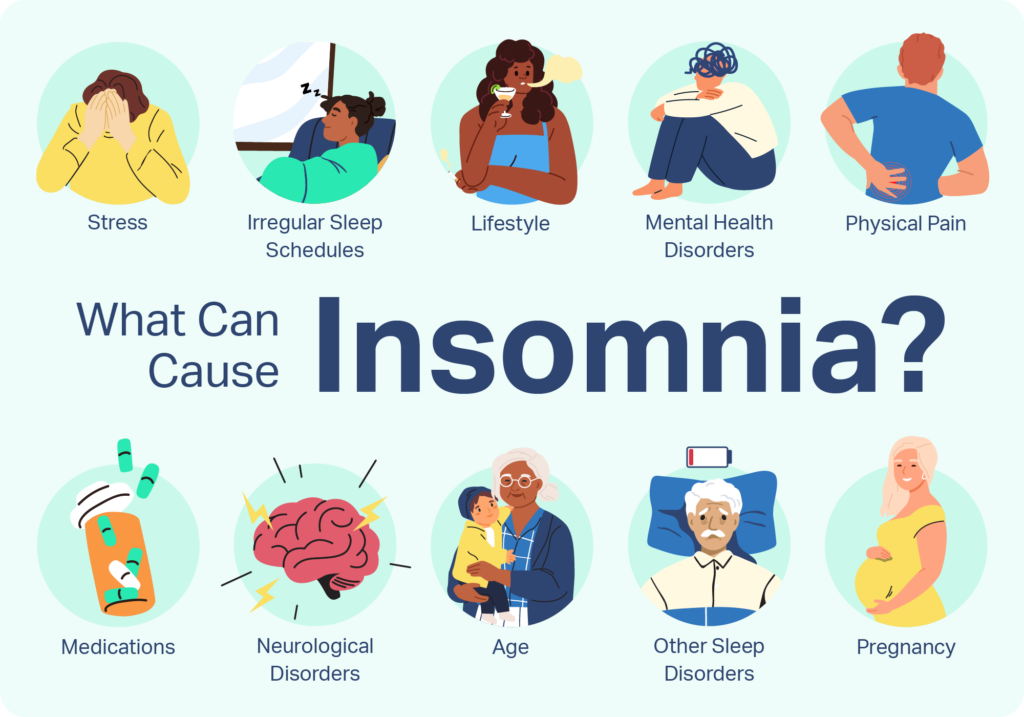
Causes of adjustment insomnia can vary widely and may include significant life changes such as starting a new job, moving to a new place, relationship issues, financial worries, or health concerns. The stress and anxiety associated with these changes can disrupt the body’s natural sleep-wake cycle, making it challenging to get a restful night’s sleep.
Symptoms of adjustment insomnia typically include difficulty falling asleep, waking up frequently during the night, waking up too early in the morning and feeling tired or unrefreshed upon waking. These symptoms can impact daily functioning, leading to irritability, fatigue, difficulty concentrating, and mood disturbances.
Managing adjustment insomnia involves addressing the underlying stressors that are causing sleep disturbances. Strategies to improve sleep quality may include establishing a relaxing bedtime routine, creating a comfortable sleep environment, practicing relaxation techniques such as deep breathing or meditation, avoiding stimulants like caffeine close to bedtime, and seeking support from healthcare professionals if needed.
If adjustment insomnia persists for more than a few weeks and significantly impacts your quality of life, it is important to consult with a healthcare provider for further evaluation and treatment options. Cognitive-behavioral therapy for insomnia (CBT-I) and medication may be recommended in some cases to help regulate sleep patterns and improve overall well-being.
By understanding the triggers of adjustment insomnia and implementing effective coping strategies, individuals can better manage stress-related sleep disturbances and work towards achieving restful and rejuvenating sleep on a regular basis.
Understanding Adjustment Insomnia: Answers to Common Questions and Solutions
- How did Jennifer Aniston cure her insomnia?
- How do you stop paradoxical insomnia?
- What are the 3 types of insomnia?
- What is paradoxical insomnia?
- Can adjustment disorder cause insomnia?
- Is insomnia a symptom of adjustment disorder?
- How to stop waking up at 3am?
How did Jennifer Aniston cure her insomnia?
Jennifer Aniston’s approach to overcoming insomnia has been a topic of interest among many. Reports suggest that Jennifer Aniston struggled with sleep issues in the past and found relief through a combination of lifestyle changes and relaxation techniques. She reportedly incorporated practices such as meditation, mindfulness, and establishing a calming bedtime routine to help improve her sleep quality. By prioritizing self-care, stress management, and creating a conducive sleep environment, Jennifer Aniston was able to address her insomnia and achieve better restorative sleep.
How do you stop paradoxical insomnia?
Paradoxical insomnia, also known as sleep state misperception, is a condition where individuals perceive their sleep to be significantly less than the actual amount they are getting. To address paradoxical insomnia, it is essential to focus on improving sleep perception and addressing any underlying factors contributing to the misperception of sleep. Cognitive-behavioral therapy for insomnia (CBT-I) can be an effective approach in treating paradoxical insomnia by helping individuals reframe their thoughts about sleep and develop healthier sleep habits. Additionally, creating a relaxing bedtime routine, maintaining a consistent sleep schedule, and practicing relaxation techniques can also aid in improving sleep quality and perception for those experiencing paradoxical insomnia. Consulting with a healthcare provider or sleep specialist can provide further guidance on managing this condition effectively.
What are the 3 types of insomnia?
There are three main types of insomnia: acute insomnia, chronic insomnia, and comorbid insomnia. Acute insomnia, also known as adjustment insomnia, is typically short-term and is often triggered by specific life events or stressors. Chronic insomnia involves ongoing difficulty falling or staying asleep and can last for months or even years. Comorbid insomnia is when sleep problems occur alongside other medical or psychological conditions, such as depression or anxiety. Understanding the different types of insomnia can help individuals identify their specific sleep issues and seek appropriate treatment to improve their overall sleep quality and well-being.
What is paradoxical insomnia?
Paradoxical insomnia, also known as sleep state misperception or subjective insomnia, is a type of sleep disorder where individuals perceive themselves as getting very little or poor-quality sleep despite objective evidence to the contrary. This condition is characterized by a significant disconnect between the individual’s perception of their sleep and the actual amount of sleep they are getting, leading to persistent feelings of exhaustion and frustration. People with paradoxical insomnia often underestimate their total sleep time and may exaggerate the severity of their sleep disturbances, which can impact their overall well-being and quality of life.
Can adjustment disorder cause insomnia?
Adjustment disorder, a psychological response to stressors or life changes, can indeed lead to insomnia. When individuals experience significant stress or emotional turmoil due to a specific event or situation, such as job loss, relationship issues, or financial concerns, they may struggle to fall asleep or stay asleep. The heightened anxiety and emotional distress associated with adjustment disorder can disrupt normal sleep patterns, resulting in difficulty sleeping and poor sleep quality. Addressing the underlying stressors and seeking appropriate support can help manage both the adjustment disorder and the associated insomnia symptoms for improved overall well-being.
Is insomnia a symptom of adjustment disorder?
Insomnia can indeed be a symptom of adjustment disorder. Adjustment disorder is a psychological condition characterized by significant emotional or behavioral distress in response to a specific stressor or life event. Insomnia, particularly in the form of difficulty falling asleep or staying asleep, can manifest as a result of the heightened stress and anxiety experienced during periods of adjustment disorder. The disruption in sleep patterns can further exacerbate the individual’s overall well-being and ability to cope with the challenges they are facing. It is essential for individuals experiencing insomnia as a symptom of adjustment disorder to seek appropriate support and treatment to address both the underlying stressors and sleep disturbances for optimal recovery and mental health management.
How to stop waking up at 3am?
Many individuals experiencing adjustment insomnia often wonder how to stop waking up at 3am, a common occurrence that disrupts their sleep patterns. Waking up at 3am can be attributed to various factors, including stress, anxiety, or poor sleep habits. To address this issue, it is essential to focus on establishing a consistent bedtime routine, creating a relaxing sleep environment, avoiding stimulating activities before bed, and practicing relaxation techniques such as deep breathing or meditation. Additionally, addressing any underlying stressors or anxieties through therapy or counseling can help alleviate the tendency to wake up at 3am and promote better overall sleep quality.