Alcohol and Insomnia: Understanding the Relationship
Alcohol is often used as a way to relax and unwind after a long day. Many people believe that a nightcap can help them fall asleep faster and sleep more soundly. However, the relationship between alcohol consumption and insomnia is more complex than it may seem.
While alcohol can initially make you feel drowsy and help you fall asleep quicker, it actually disrupts your sleep cycle once you are asleep. This disruption can lead to poor sleep quality, fragmented sleep patterns, and ultimately contribute to insomnia.
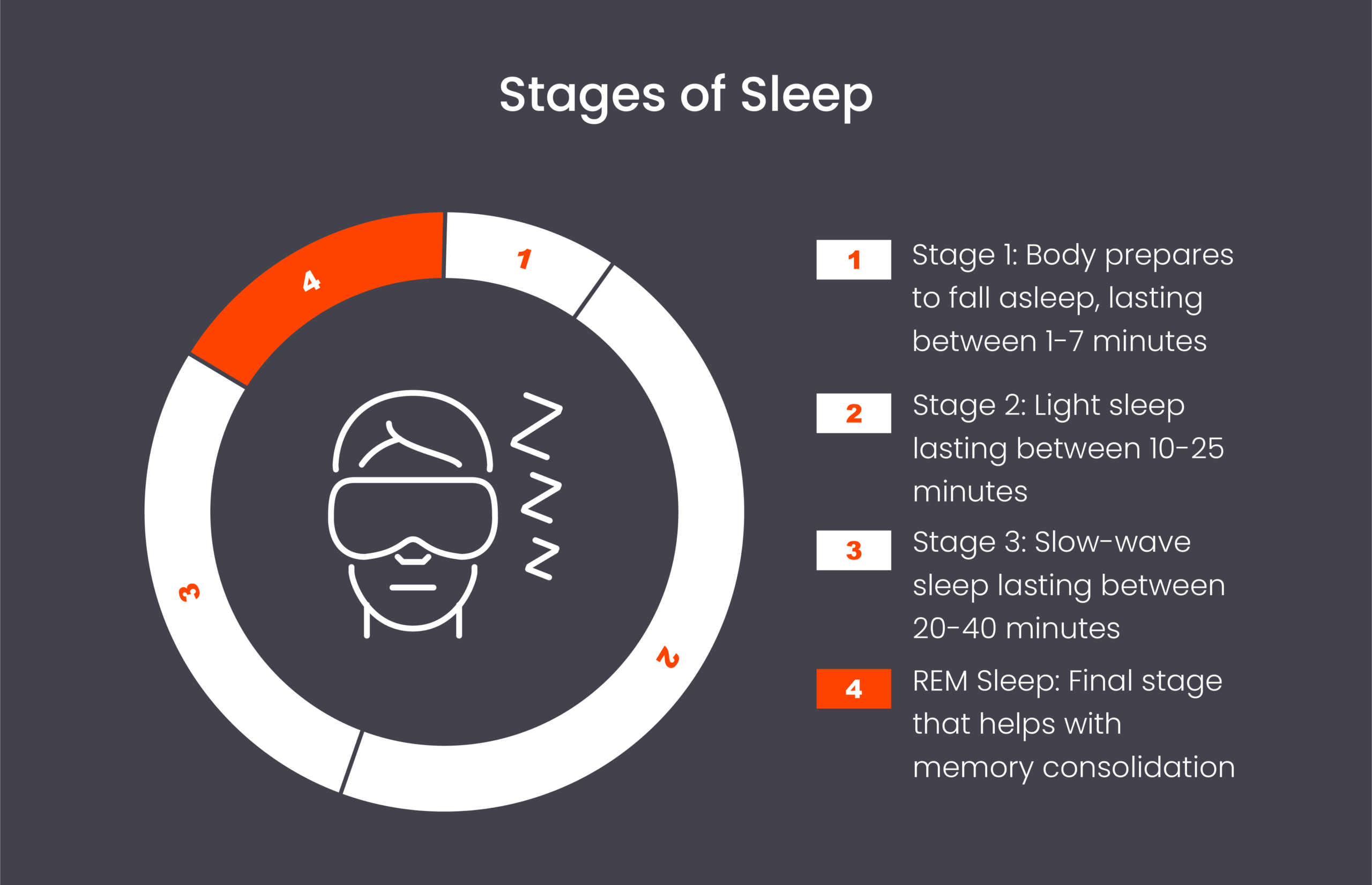
One of the main ways in which alcohol affects sleep is by suppressing REM (rapid eye movement) sleep. REM sleep is a crucial stage of the sleep cycle associated with dreaming, memory consolidation, and emotional processing. When alcohol interferes with REM sleep, it can leave you feeling groggy, unfocused, and irritable the next day.
Additionally, alcohol acts as a diuretic, increasing your need to urinate throughout the night. This can disrupt your sleep by causing you to wake up multiple times during the night to use the bathroom.
Furthermore, regular alcohol consumption can lead to tolerance, meaning that over time you may need more alcohol to achieve the same sedative effects. This escalation in consumption can exacerbate sleep disturbances and increase the risk of developing chronic insomnia.
If you are experiencing difficulty sleeping or suspect that your alcohol consumption may be impacting your sleep quality, it’s important to take steps to address these issues. Consider reducing or eliminating alcohol intake close to bedtime and establishing a consistent bedtime routine that promotes relaxation and good sleep hygiene.
Remember that while alcohol may offer temporary relief from stress or anxiety, its long-term effects on your sleep health may outweigh any short-term benefits. Prioritize your well-being by seeking professional guidance if needed and making positive changes that support restful and rejuvenating sleep.
8 Tips for Managing Alcohol and Insomnia: Achieve Better Sleep
- Avoid consuming alcohol close to bedtime.
- Limit alcohol intake to moderate levels.
- Stay hydrated by drinking water alongside alcohol consumption.
- Consider alternative beverages like herbal tea before bed.
- Create a relaxing bedtime routine to promote better sleep.
- Avoid using alcohol as a sleep aid on a regular basis.
- Consult with a healthcare professional if insomnia persists despite avoiding alcohol.
- Practice good sleep hygiene habits for better overall sleep quality.
Avoid consuming alcohol close to bedtime.
To improve your sleep quality and reduce the risk of insomnia, it is advisable to avoid consuming alcohol close to bedtime. While alcohol may initially make you feel drowsy and help you fall asleep faster, it disrupts your sleep cycle once you are asleep. By refraining from alcohol intake before bedtime, you can promote more restful and uninterrupted sleep, allowing your body to fully recharge and rejuvenate during the night. Prioritizing healthy sleep habits over alcohol consumption can lead to better overall well-being and improved cognitive function throughout the day.
Limit alcohol intake to moderate levels.
Limiting alcohol intake to moderate levels is a key tip for improving sleep quality and reducing the risk of insomnia. While alcohol may initially induce drowsiness and help you fall asleep faster, excessive consumption can disrupt your sleep cycle, leading to fragmented sleep patterns and decreased overall sleep quality. By moderating your alcohol intake, you can support healthier sleep habits, promote restful slumber, and reduce the likelihood of experiencing insomnia-related issues. Prioritizing moderation in alcohol consumption can have a positive impact on your overall well-being and contribute to better sleep hygiene in the long run.
Stay hydrated by drinking water alongside alcohol consumption.
Staying hydrated by drinking water alongside alcohol consumption is a helpful tip to mitigate the negative effects of alcohol on sleep. Alcohol can dehydrate the body, leading to increased thirst and potential disruptions in sleep due to waking up for water. By alternating between alcoholic beverages and water, you can maintain hydration levels, support better sleep quality, and potentially reduce the likelihood of experiencing insomnia symptoms associated with alcohol consumption. Prioritizing hydration while enjoying alcoholic drinks can contribute to a more balanced approach to managing your overall well-being and promoting healthier sleep habits.
Consider alternative beverages like herbal tea before bed.
Consider alternative beverages like herbal tea before bed as a healthier and more sleep-friendly option compared to alcohol. Herbal teas, such as chamomile or lavender, are known for their calming properties that can promote relaxation and help prepare the body for sleep. By opting for herbal tea instead of alcohol, you can enjoy a soothing bedtime ritual that supports better sleep quality and overall well-being.
Create a relaxing bedtime routine to promote better sleep.
Creating a relaxing bedtime routine can significantly improve your sleep quality, especially if you are struggling with alcohol-related insomnia. By establishing calming activities before bed, such as reading a book, taking a warm bath, or practicing mindfulness meditation, you signal to your body and mind that it is time to unwind and prepare for rest. This routine can help reduce stress and anxiety levels, making it easier to fall asleep naturally and experience more restful sleep throughout the night. Prioritizing self-care and relaxation in the hours leading up to bedtime sets the stage for a peaceful and rejuvenating night’s rest.
Avoid using alcohol as a sleep aid on a regular basis.
It is advisable to refrain from relying on alcohol as a habitual sleep aid. While alcohol may initially induce drowsiness and expedite the process of falling asleep, its disruptive effects on the sleep cycle can lead to poor sleep quality and fragmented rest. Consistent use of alcohol as a crutch for sleep can exacerbate insomnia symptoms over time, creating a cycle of dependency that hampers natural and restorative sleep patterns. Implementing alternative relaxation techniques and establishing healthy bedtime routines can promote sustainable and rejuvenating sleep without the negative impacts associated with regular alcohol consumption before bedtime.
Consult with a healthcare professional if insomnia persists despite avoiding alcohol.
If insomnia persists despite avoiding alcohol, it is advisable to consult with a healthcare professional for further evaluation and guidance. Chronic insomnia can have a significant impact on overall health and well-being, and seeking the expertise of a healthcare provider can help identify underlying causes and develop an appropriate treatment plan. A healthcare professional can offer personalized recommendations tailored to your specific needs, addressing any potential sleep disorders or other factors contributing to persistent insomnia. Prioritizing your sleep health is essential, and working with a professional can support you in achieving restful and rejuvenating sleep patterns.
Practice good sleep hygiene habits for better overall sleep quality.
Practicing good sleep hygiene habits is essential for improving overall sleep quality, especially when considering the impact of alcohol on insomnia. By establishing a consistent bedtime routine, creating a comfortable sleep environment, and avoiding stimulating activities before bed, you can promote restful and uninterrupted sleep. Incorporating these habits not only helps counteract the disruptive effects of alcohol on your sleep cycle but also contributes to better overall well-being and cognitive function. Prioritizing good sleep hygiene can lead to more restorative and rejuvenating sleep, allowing you to wake up feeling refreshed and ready to tackle the day ahead.