The Connection Between Hypothyroidism and Insomnia
Insomnia is a common sleep disorder that affects millions of people worldwide. It can be caused by a variety of factors, including stress, poor sleep habits, and underlying health conditions. One such health condition that is closely linked to insomnia is hypothyroidism.
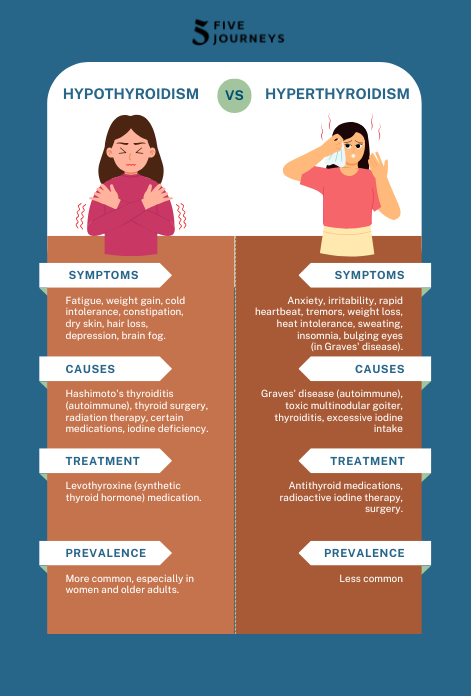
Hypothyroidism is a condition in which the thyroid gland does not produce enough thyroid hormones to meet the body’s needs. This can lead to a variety of symptoms, including fatigue, weight gain, and depression. But one lesser-known symptom of hypothyroidism is insomnia.
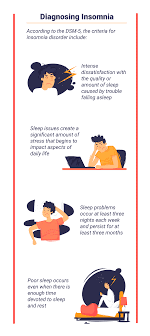
Research has shown that individuals with hypothyroidism are more likely to experience sleep disturbances, including difficulty falling asleep, staying asleep, or waking up too early. The relationship between hypothyroidism and insomnia is complex and multifaceted.
One reason for this connection is the role that thyroid hormones play in regulating the body’s metabolism. When thyroid hormone levels are low, it can disrupt the body’s internal clock, known as the circadian rhythm, which regulates sleep-wake cycles. This disruption can lead to insomnia and other sleep problems.
In addition, hypothyroidism can also lead to other conditions that contribute to insomnia, such as anxiety and depression. These mental health issues can further exacerbate sleep disturbances and create a vicious cycle of poor sleep and worsening thyroid function.
If you have been diagnosed with hypothyroidism and are experiencing insomnia, it is important to discuss your symptoms with your healthcare provider. They may recommend adjusting your thyroid medication dosage or exploring other treatment options to help improve your sleep quality.
In conclusion, hypothyroidism and insomnia are closely linked conditions that can have a significant impact on an individual’s overall health and well-being. By understanding this connection and seeking appropriate medical care, individuals with hypothyroidism can take steps to improve their sleep quality and overall quality of life.
8 Effective Tips to Combat Insomnia Caused by Hypothyroidism
- Maintain a consistent sleep schedule by going to bed and waking up at the same time every day.
- Create a relaxing bedtime routine to signal your body that it’s time to wind down and prepare for sleep.
- Avoid stimulants like caffeine and nicotine close to bedtime as they can interfere with your ability to fall asleep.
- Ensure your bedroom is conducive to sleep by keeping it dark, quiet, and at a comfortable temperature.
- Limit screen time before bed as the blue light emitted from electronic devices can disrupt your sleep cycle.
- Engage in regular exercise during the day but avoid vigorous physical activity close to bedtime.
- Consider speaking with your healthcare provider about adjusting your thyroid medication if insomnia persists.
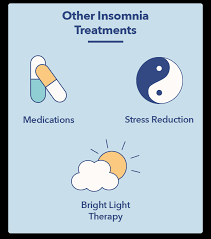
- Explore relaxation techniques such as deep breathing exercises or meditation to help calm your mind before sleep.
Maintain a consistent sleep schedule by going to bed and waking up at the same time every day.
To help manage hypothyroidism-related insomnia, it is recommended to maintain a consistent sleep schedule by going to bed and waking up at the same time every day. Establishing a regular sleep routine can help regulate the body’s internal clock and improve overall sleep quality. By following a consistent bedtime and wake-up time, individuals with hypothyroidism can support their circadian rhythm, potentially reducing insomnia symptoms and promoting better restorative sleep.
Create a relaxing bedtime routine to signal your body that it’s time to wind down and prepare for sleep.
Creating a relaxing bedtime routine can be a helpful strategy for individuals experiencing insomnia due to hypothyroidism. By establishing calming activities such as reading a book, taking a warm bath, or practicing gentle yoga before bed, you can signal to your body that it’s time to wind down and prepare for sleep. This routine can help reduce stress and anxiety levels, promote relaxation, and support the body in transitioning into a restful sleep state. By consistently following a soothing bedtime routine, individuals with hypothyroidism can improve their sleep quality and overall well-being.
Avoid stimulants like caffeine and nicotine close to bedtime as they can interfere with your ability to fall asleep.
To improve sleep quality and manage hypothyroidism-related insomnia, it is advisable to avoid stimulants like caffeine and nicotine close to bedtime. These substances can disrupt your ability to fall asleep by increasing alertness and stimulating the nervous system. By eliminating or reducing consumption of stimulants in the hours leading up to bedtime, individuals with hypothyroidism can create a more conducive environment for restful sleep and better manage their sleep disturbances.
Ensure your bedroom is conducive to sleep by keeping it dark, quiet, and at a comfortable temperature.
To address hypothyroidism insomnia, it is crucial to create a sleep-conducive environment in your bedroom. Ensure that your sleeping space is dark, quiet, and maintained at a comfortable temperature. Darkness helps signal your brain that it’s time to sleep, while minimizing noise disturbances can prevent interruptions in your rest. Additionally, maintaining a comfortable temperature can promote relaxation and aid in falling asleep more easily. By optimizing these environmental factors, you can enhance the quality of your sleep and potentially alleviate insomnia symptoms associated with hypothyroidism.
Limit screen time before bed as the blue light emitted from electronic devices can disrupt your sleep cycle.
Limiting screen time before bed is a helpful tip for managing insomnia related to hypothyroidism. The blue light emitted from electronic devices can interfere with the body’s natural sleep-wake cycle, making it harder to fall asleep and stay asleep. By reducing exposure to screens in the evening hours, individuals with hypothyroidism can create a more conducive environment for restful sleep and potentially improve their overall sleep quality. This simple adjustment to bedtime habits can have a positive impact on managing insomnia symptoms associated with hypothyroidism.
Engage in regular exercise during the day but avoid vigorous physical activity close to bedtime.
To manage hypothyroidism-related insomnia, it is recommended to engage in regular exercise during the day while avoiding vigorous physical activity close to bedtime. Regular exercise can help regulate hormone levels and improve overall sleep quality. However, engaging in intense physical activity right before bedtime can stimulate the body and mind, making it difficult to relax and fall asleep. By incorporating moderate exercise into your daily routine and allowing time for your body to wind down before bedtime, you can support better sleep patterns and potentially alleviate insomnia symptoms associated with hypothyroidism.
Consider speaking with your healthcare provider about adjusting your thyroid medication if insomnia persists.
If you are experiencing persistent insomnia related to hypothyroidism, it is advisable to consult your healthcare provider about the possibility of adjusting your thyroid medication. Thyroid hormone levels play a crucial role in regulating sleep patterns, and an imbalance can contribute to sleep disturbances. By discussing your symptoms with your healthcare provider, you can explore potential adjustments to your medication regimen that may help alleviate insomnia and improve your overall sleep quality. It is important to work closely with your healthcare team to address any underlying thyroid issues and optimize your treatment plan for better sleep outcomes.
Explore relaxation techniques such as deep breathing exercises or meditation to help calm your mind before sleep.
To address hypothyroidism-induced insomnia, consider incorporating relaxation techniques like deep breathing exercises or meditation into your bedtime routine. These practices can help calm your mind, reduce stress levels, and promote a sense of tranquility that may facilitate falling asleep more easily. By engaging in these relaxation techniques before sleep, you can create a peaceful environment conducive to restful slumber, potentially improving your overall sleep quality and well-being.