Dealing with Insomnia: Understanding and Coping with Sleeplessness
Insomnia, the inability to fall asleep or stay asleep, can be a frustrating and debilitating condition that affects millions of people worldwide. If you find yourself tossing and turning in bed night after night, unable to get the rest you need, you are not alone.
There are different types of insomnia, including acute (short-term) insomnia that lasts for a few days or weeks, and chronic (long-term) insomnia that persists for a month or more. Understanding the underlying causes of your insomnia is crucial in finding effective ways to manage and overcome it.
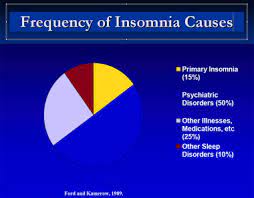
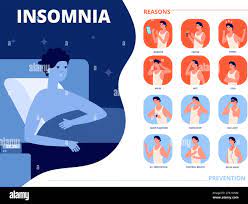
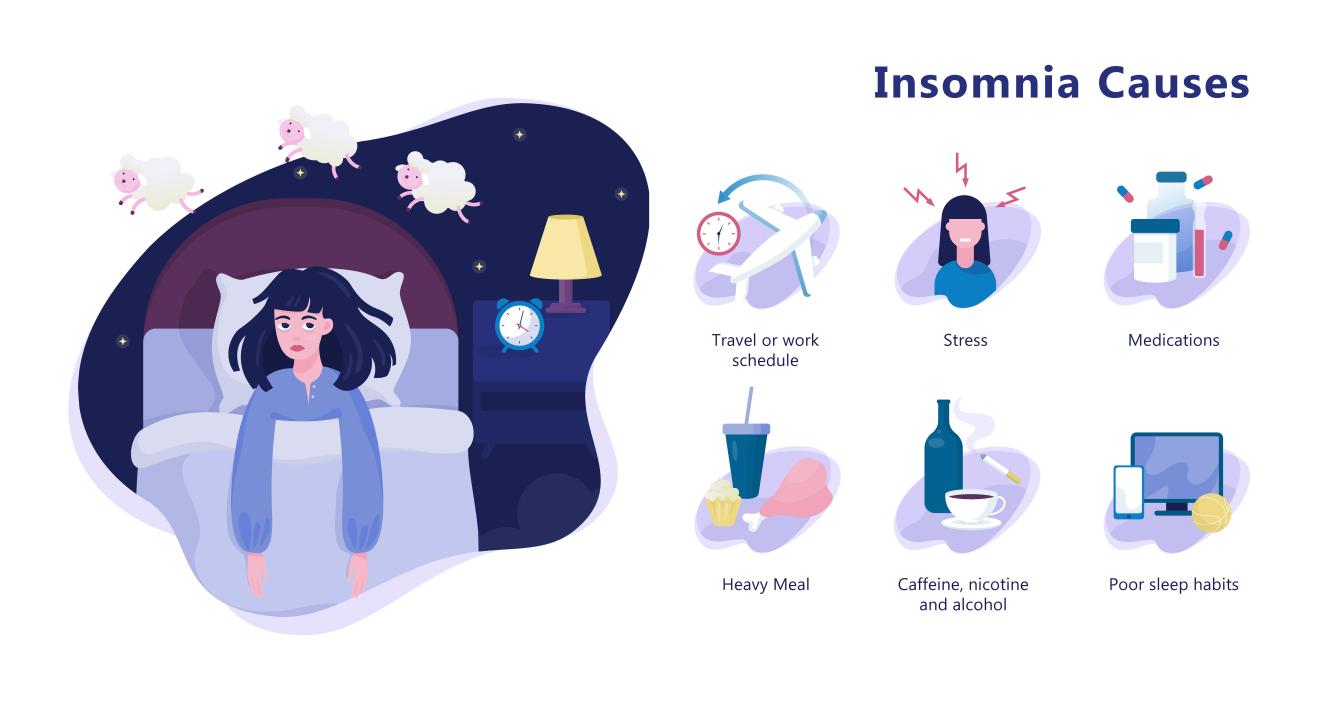
Common Causes of Insomnia:
- Stress: Emotional stress from work, relationships, or other life events can disrupt your sleep patterns.
- Anxiety: Persistent worrying or anxiety can make it difficult to relax and fall asleep.
- Depression: Depression can affect your sleep-wake cycle and lead to insomnia.
- Poor Sleep Habits: Irregular bedtime routines, excessive screen time before bed, or consuming stimulants like caffeine late in the day can contribute to sleeplessness.
- Medical Conditions: Certain medical conditions such as sleep apnea, restless leg syndrome, or chronic pain can interfere with your ability to sleep soundly.
Tips for Coping with Insomnia:
- Create a Relaxing Bedtime Routine: Establish a calming pre-sleep routine to signal your body that it’s time to wind down.
- Avoid Stimulants: Limit caffeine intake in the afternoon and avoid heavy meals close to bedtime.
- Create a Comfortable Sleep Environment: Ensure your bedroom is dark, quiet, and at a comfortable temperature for optimal sleep quality.
- Mindfulness and Relaxation Techniques: Practice relaxation techniques such as deep breathing exercises or meditation to calm your mind before bed.
- Seek Professional Help: If your insomnia persists despite trying self-help strategies, consider consulting a healthcare provider or sleep specialist for further evaluation and treatment options.
If you are struggling with insomnia, remember that help is available. By understanding the root causes of your sleeplessness and implementing healthy sleep habits and coping strategies, you can improve the quality of your rest and overall well-being. Don’t hesitate to reach out for support on your journey towards better sleep!
7 Effective Tips to Overcome Insomnia and Improve Sleep Quality
- Establish a bedtime routine and stick to it
- Limit exposure to screens (phones, computers) before bed
- Create a comfortable sleep environment (cool, dark, quiet)
- Avoid caffeine and heavy meals close to bedtime
- Engage in relaxation techniques like deep breathing or meditation
- Exercise regularly but not too close to bedtime
- Consider seeking help from a healthcare professional if insomnia persists
Establish a bedtime routine and stick to it
Establishing a consistent bedtime routine is a key strategy for managing insomnia. By creating a calming ritual before bed and sticking to it every night, you signal to your body that it’s time to unwind and prepare for sleep. This routine can include activities like reading a book, taking a warm bath, practicing relaxation techniques, or listening to soothing music. By making your bedtime routine a habit, you can train your body to recognize when it’s time to rest, helping you fall asleep more easily and improve the quality of your sleep overall.
Limit exposure to screens (phones, computers) before bed
Limiting exposure to screens, such as phones and computers, before bed is a crucial tip for managing insomnia. The blue light emitted by electronic devices can interfere with the production of melatonin, the hormone that regulates sleep-wake cycles. By reducing screen time before bedtime, you can help signal to your body that it’s time to wind down and prepare for rest. Opting for activities like reading a book or practicing relaxation techniques instead of scrolling through screens can promote better sleep quality and improve your chances of falling asleep more easily.
Create a comfortable sleep environment (cool, dark, quiet)
Creating a comfortable sleep environment is essential for individuals struggling with insomnia. A cool, dark, and quiet bedroom can significantly improve sleep quality by promoting relaxation and reducing disturbances that may disrupt the sleep cycle. Maintaining a comfortable temperature, blocking out external light sources, and minimizing noise can help create an optimal setting for restful sleep. By prioritizing these environmental factors, individuals with insomnia can enhance their chances of falling asleep quickly and enjoying a more restorative night’s rest.
Avoid caffeine and heavy meals close to bedtime
To improve your sleep quality and manage insomnia, it is advisable to avoid consuming caffeine and heavy meals close to bedtime. Caffeine is a stimulant that can disrupt your natural sleep-wake cycle, making it harder to fall asleep. Similarly, consuming heavy or rich foods before bed can lead to indigestion and discomfort, making it challenging to relax and drift off into a restful sleep. By being mindful of your intake of caffeine and heavy meals in the hours leading up to bedtime, you can create a more conducive environment for a peaceful night’s rest.
Engage in relaxation techniques like deep breathing or meditation
Engaging in relaxation techniques such as deep breathing or meditation can be incredibly beneficial for individuals struggling with insomnia. These practices help calm the mind, reduce stress and anxiety levels, and create a sense of inner peace conducive to falling asleep. By incorporating deep breathing exercises or meditation into your bedtime routine, you can signal to your body that it’s time to relax and prepare for restful sleep. Consistent practice of these techniques can not only improve your ability to fall asleep but also enhance the overall quality of your sleep, promoting a sense of rejuvenation and well-being upon waking.
Exercise regularly but not too close to bedtime
It is important for individuals dealing with insomnia to incorporate regular exercise into their routine, as physical activity can promote better sleep quality. However, it is advisable to avoid vigorous exercise too close to bedtime, as it may stimulate the body and mind, making it harder to fall asleep. Finding a balance by scheduling workouts earlier in the day can help regulate sleep patterns and contribute to a more restful night’s sleep.
Consider seeking help from a healthcare professional if insomnia persists
If you find yourself struggling with persistent insomnia despite trying various self-help strategies, it may be beneficial to consider seeking help from a healthcare professional. A healthcare provider or sleep specialist can conduct a thorough evaluation to identify underlying causes of your sleeplessness and recommend appropriate treatment options tailored to your specific needs. Remember, reaching out for professional help is a proactive step towards improving your sleep quality and overall well-being.