
Understanding Idiopathic Insomnia
Idiopathic insomnia is a type of chronic sleep disorder characterized by persistent difficulty falling asleep or staying asleep, without an identifiable cause. Unlike other forms of insomnia that may be linked to specific triggers or underlying medical conditions, idiopathic insomnia is considered a primary sleep disorder with no clear origin.
Individuals with idiopathic insomnia often experience ongoing sleep disturbances that can significantly impact their daily functioning and overall quality of life. Common symptoms of idiopathic insomnia include:
- Difficulty initiating sleep despite feeling tired
- Frequent awakenings during the night
- Inadequate or non-restorative sleep
- Daytime fatigue, irritability, and impaired concentration
The exact cause of idiopathic insomnia remains unknown, but researchers believe it may involve abnormalities in the brain’s sleep-wake cycle regulation. Factors such as genetic predisposition, neurochemical imbalances, and alterations in brain activity patterns have been suggested as potential contributors to this condition.
Diagnosing idiopathic insomnia typically involves a comprehensive evaluation of an individual’s medical history, sleep patterns, and symptoms. In some cases, a sleep study or other diagnostic tests may be recommended to rule out other underlying sleep disorders.
Treatment for idiopathic insomnia often focuses on improving sleep hygiene practices and implementing behavioral therapies to promote better sleep habits. Cognitive-behavioral therapy for insomnia (CBT-I) is a commonly recommended approach that aims to address negative thought patterns and behaviors that contribute to poor sleep quality.
In some cases, medications such as sedatives or hypnotics may be prescribed to help manage symptoms of idiopathic insomnia. However, long-term use of these medications is generally not recommended due to the risk of dependency and potential side effects.
Living with idiopathic insomnia can be challenging, but with proper diagnosis and management strategies, individuals can learn to improve their sleep patterns and enhance their overall well-being. Seeking support from healthcare professionals specializing in sleep medicine can provide valuable guidance and resources for coping with this chronic condition.
If you suspect you may have idiopathic insomnia or are experiencing persistent difficulties with your sleep, it is important to consult a healthcare provider for an accurate diagnosis and personalized treatment plan tailored to your specific needs.
Understanding Idiopathic Insomnia: Answers to 7 Common Questions
- What is idiopathic insomnia?
- What are the symptoms of idiopathic insomnia?
- How is idiopathic insomnia diagnosed?
- What causes idiopathic insomnia?
- What are the treatment options for idiopathic insomnia?
- Is idiopathic insomnia a common sleep disorder?
- Can lifestyle changes help manage idiopathic insomnia?
What is idiopathic insomnia?
Idiopathic insomnia is a chronic sleep disorder characterized by persistent difficulty falling asleep or staying asleep, without a clear identifiable cause. Unlike other forms of insomnia that may be linked to specific triggers or underlying medical conditions, idiopathic insomnia is considered a primary sleep disorder with no apparent origin. Individuals with idiopathic insomnia often struggle with ongoing sleep disturbances that can significantly impact their daily functioning and overall quality of life. Symptoms may include trouble initiating sleep despite feeling tired, frequent awakenings during the night, inadequate or non-restorative sleep, as well as daytime fatigue, irritability, and impaired concentration. The exact cause of idiopathic insomnia remains unknown, but research suggests it may involve abnormalities in the brain’s regulation of the sleep-wake cycle.
What are the symptoms of idiopathic insomnia?
Individuals with idiopathic insomnia may experience a range of symptoms that disrupt their ability to fall asleep or stay asleep consistently. Common symptoms of idiopathic insomnia include difficulty initiating sleep despite feeling tired, frequent awakenings during the night, inadequate or non-restorative sleep, and daytime fatigue, irritability, and impaired concentration. These persistent sleep disturbances can have a significant impact on an individual’s daily functioning and overall quality of life, highlighting the importance of seeking appropriate diagnosis and management strategies for this chronic sleep disorder.
How is idiopathic insomnia diagnosed?
Diagnosing idiopathic insomnia typically involves a thorough assessment of an individual’s medical history, sleep patterns, and symptoms. Healthcare providers may inquire about the duration and severity of the sleep disturbances, as well as any factors that may exacerbate or alleviate the symptoms. In some cases, a comprehensive sleep evaluation, including a polysomnography test or a multiple sleep latency test, may be recommended to rule out other potential sleep disorders. It is important for individuals experiencing persistent difficulties with their sleep to seek guidance from a healthcare professional specializing in sleep medicine for an accurate diagnosis and appropriate treatment plan tailored to their specific needs.
What causes idiopathic insomnia?
The exact cause of idiopathic insomnia, a type of chronic sleep disorder characterized by persistent difficulty falling asleep or staying asleep without an identifiable trigger, remains largely unknown. Researchers believe that idiopathic insomnia may stem from abnormalities in the brain’s regulation of the sleep-wake cycle. Factors such as genetic predisposition, neurochemical imbalances, and alterations in brain activity patterns have been proposed as potential contributors to this condition. Despite ongoing research efforts, the precise mechanisms underlying idiopathic insomnia continue to elude definitive explanation, highlighting the complexity of this primary sleep disorder.
What are the treatment options for idiopathic insomnia?
When it comes to idiopathic insomnia, treatment options focus on improving sleep hygiene practices and implementing behavioral therapies to promote better sleep habits. Cognitive-behavioral therapy for insomnia (CBT-I) is a commonly recommended approach that aims to address negative thought patterns and behaviors contributing to poor sleep quality. Additionally, medications such as sedatives or hypnotics may be prescribed in some cases to help manage symptoms of idiopathic insomnia. However, long-term use of these medications is generally not advised due to the risk of dependency and potential side effects. It is important for individuals experiencing idiopathic insomnia to consult with healthcare professionals specializing in sleep medicine to receive personalized treatment plans tailored to their specific needs.
Is idiopathic insomnia a common sleep disorder?
Idiopathic insomnia, also known as lifelong insomnia, is considered a rare subtype of chronic insomnia. While more common forms of insomnia may be triggered by external factors or underlying medical conditions, idiopathic insomnia is characterized by its primary nature with no identifiable cause. Despite its rarity, idiopathic insomnia can have a significant impact on an individual’s sleep quality and overall well-being. Proper diagnosis and management strategies are essential for individuals experiencing persistent difficulties with sleep to address the challenges associated with this unique sleep disorder.
Can lifestyle changes help manage idiopathic insomnia?
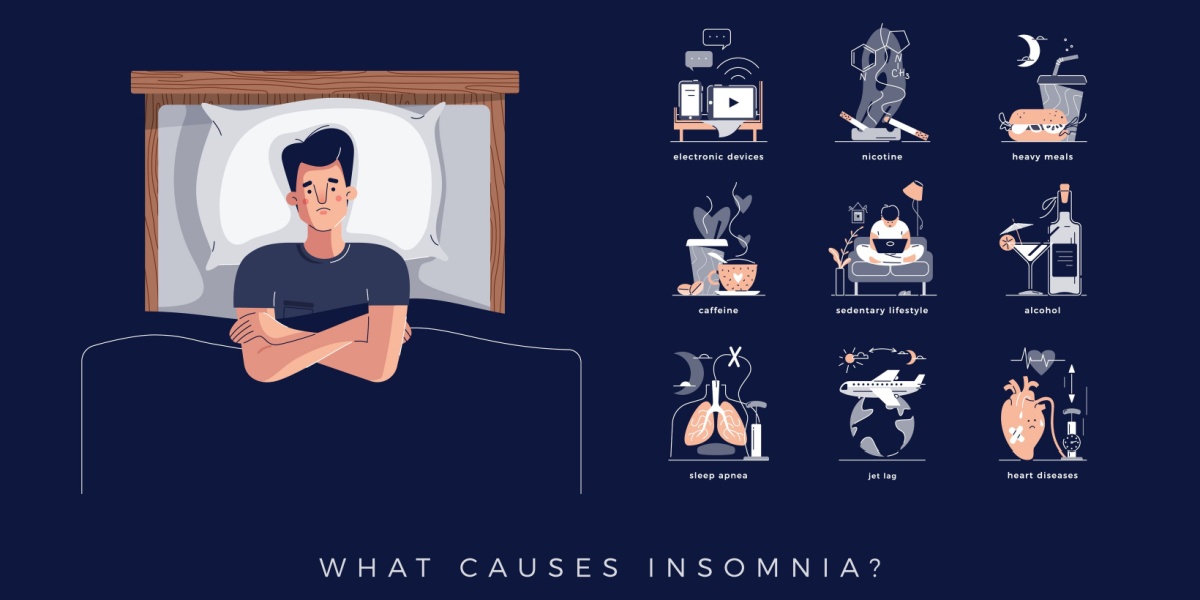
Lifestyle changes can play a significant role in managing idiopathic insomnia. Adopting healthy sleep habits, also known as sleep hygiene practices, can positively impact the quality and duration of sleep for individuals with this chronic condition. Strategies such as establishing a consistent bedtime routine, creating a comfortable sleep environment, limiting caffeine and alcohol intake before bedtime, and engaging in regular physical activity during the day can promote better sleep patterns. Additionally, practicing relaxation techniques such as meditation or deep breathing exercises before bed may help reduce stress and anxiety levels, contributing to improved sleep quality. While lifestyle changes alone may not cure idiopathic insomnia, they can complement other treatment approaches and contribute to overall better sleep outcomes.

I am in fact thankful to the owner of this web site who
has shared this enormous piece of writing at at this time.
Good post. I learn something totally new and challenging on blogs
I stumbleupon every day. It will always be exciting to read through articles from other authors
and use a little something from their websites.