The Impact of Insomnia on Teenagers
Insomnia, a common sleep disorder characterized by difficulty falling asleep or staying asleep, can have a significant impact on teenagers’ overall well-being and daily functioning. Adolescence is a critical period of growth and development, and adequate sleep is essential for physical health, cognitive function, and emotional regulation.
Causes of Insomnia in Teenagers
There are several factors that can contribute to insomnia in teenagers:
- Stress: Academic pressure, social relationships, family issues, and extracurricular activities can all contribute to stress levels that disrupt sleep patterns.
- Technology: Excessive use of electronic devices before bedtime can interfere with the body’s natural sleep-wake cycle due to the blue light emitted by screens.
- Anxiety: Teenagers may experience anxiety related to school performance, peer relationships, or other concerns that can keep them awake at night.
- Poor Sleep Hygiene: Irregular sleep schedules, lack of bedtime routine, and unhealthy sleep habits can also contribute to insomnia.
Effects of Insomnia on Teenagers
Chronic insomnia in teenagers can lead to a range of negative effects:
- Cognitive Impairment: Sleep deprivation can impair concentration, memory, decision-making skills, and academic performance.
- Mood Disturbances: Insufficient sleep can lead to irritability, mood swings, depression, and anxiety disorders.
- Physical Health Issues: Lack of quality sleep is associated with an increased risk of obesity, weakened immune system, and other health problems.
- Social Impairment: Fatigue and irritability resulting from insomnia can impact teenagers’ social interactions and relationships with peers.
Treatment and Prevention
To address insomnia in teenagers, it is important to promote healthy sleep habits and address underlying causes. Strategies for improving teenage sleep include:
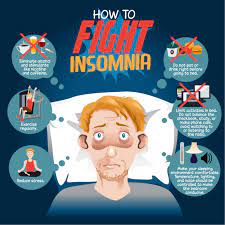
- Create a Relaxing Bedtime Routine: Establish a consistent bedtime routine that includes calming activities such as reading or listening to music.
- Limited Screen Time: Encourage teenagers to limit screen time before bed and create a technology-free zone in the bedroom.
- Promote Physical Activity: Regular exercise during the day can help improve sleep quality at night.
If insomnia persists despite these strategies or if it significantly impacts a teenager’s daily life, seeking professional help from a healthcare provider or therapist may be necessary. By addressing insomnia early on and promoting healthy sleep habits in teenagers,
we can support their overall well-being and development during this crucial stage of life.
Understanding Teenage Insomnia: Causes, Effects, and Solutions
- What causes insomnia in teenagers?
- How does insomnia affect the mental health of teenagers?
- What are the common symptoms of insomnia in teenagers?
- How can parents help their teenagers overcome insomnia?
- Are there any lifestyle changes that can improve teenage sleep patterns?
- When should a teenager with insomnia seek professional help?
- Can technology use before bedtime contribute to teenage insomnia?
What causes insomnia in teenagers?
Insomnia in teenagers can be caused by a variety of factors. Common triggers include high levels of stress due to academic pressures, social relationships, and family issues. The use of electronic devices before bedtime, which emit blue light that disrupts the body’s natural sleep-wake cycle, can also contribute to insomnia. Anxiety related to school performance, peer relationships, or other concerns may keep teenagers awake at night. Additionally, poor sleep hygiene such as irregular sleep schedules and lack of bedtime routine can play a role in the development of insomnia in teenagers. Identifying and addressing these underlying causes is essential in effectively managing and treating insomnia in this age group.
How does insomnia affect the mental health of teenagers?
Insomnia can have a profound impact on the mental health of teenagers. The lack of quality sleep can exacerbate existing mental health conditions such as anxiety and depression, leading to increased feelings of irritability, mood swings, and emotional instability. Sleep deprivation affects the brain’s ability to regulate emotions and cope with stress, making teenagers more vulnerable to negative thoughts and behaviors. Chronic insomnia can also impair cognitive function, memory retention, and decision-making skills, further contributing to mental health challenges in teenagers. It is crucial to address insomnia promptly in teenagers to prevent long-term consequences on their mental well-being.
What are the common symptoms of insomnia in teenagers?
Common symptoms of insomnia in teenagers include difficulty falling asleep at night, frequent waking during the night, waking up too early in the morning and not being able to fall back asleep, feeling tired or irritable during the day, experiencing difficulty concentrating or remembering things, and having mood swings or changes in behavior. Insomnia can also manifest as anxiety about sleep itself, leading to a vicious cycle of worry and further sleep disturbances. Identifying these symptoms early on and seeking appropriate support can help teenagers manage their insomnia effectively and improve their overall well-being.
How can parents help their teenagers overcome insomnia?
Parents play a crucial role in helping their teenagers overcome insomnia. Establishing a consistent bedtime routine, creating a calming sleep environment, and encouraging healthy sleep habits are key strategies that parents can implement. Limiting screen time before bed, promoting relaxation techniques such as deep breathing or meditation, and fostering open communication about any stressors or anxieties that may be contributing to insomnia are also important steps parents can take. Additionally, seeking guidance from healthcare professionals or sleep specialists can provide valuable insights and support in addressing teenage insomnia effectively. By offering a supportive and understanding environment, parents can play an instrumental role in helping their teenagers improve their sleep quality and overall well-being.
Are there any lifestyle changes that can improve teenage sleep patterns?
To improve teenage sleep patterns, there are several lifestyle changes that can be implemented. Establishing a consistent bedtime routine that includes relaxing activities before sleep can help signal the body that it’s time to wind down. Limiting screen time, especially from electronic devices emitting blue light, close to bedtime can also support better sleep quality. Encouraging regular physical activity during the day can promote a healthy sleep-wake cycle. Additionally, creating a comfortable and conducive sleep environment, such as keeping the bedroom dark, quiet, and at a comfortable temperature, can further enhance teenage sleep patterns. By incorporating these lifestyle changes into their daily routines, teenagers can improve their chances of getting a good night’s rest and combating insomnia.
When should a teenager with insomnia seek professional help?
When should a teenager with insomnia seek professional help? Teenagers experiencing persistent insomnia that significantly impacts their daily functioning, such as school performance, mood, and overall well-being, should consider seeking professional help. If efforts to improve sleep habits and address underlying causes of insomnia have not been successful, or if the sleep disturbances are causing distress or affecting the teenager’s quality of life, it may be time to consult a healthcare provider or mental health professional. Early intervention and appropriate treatment can help teenagers effectively manage their insomnia and prevent potential long-term consequences on their physical and mental health.
Can technology use before bedtime contribute to teenage insomnia?
Technology use before bedtime can indeed contribute to teenage insomnia. The blue light emitted by electronic devices such as smartphones, tablets, and computers can interfere with the body’s natural sleep-wake cycle by suppressing the production of melatonin, a hormone that regulates sleep. Additionally, engaging with stimulating content on these devices before bed can increase cognitive arousal and make it harder for teenagers to relax and fall asleep. Establishing a technology-free period before bedtime and creating a calming bedtime routine can help mitigate the negative impact of technology on teenage sleep patterns.