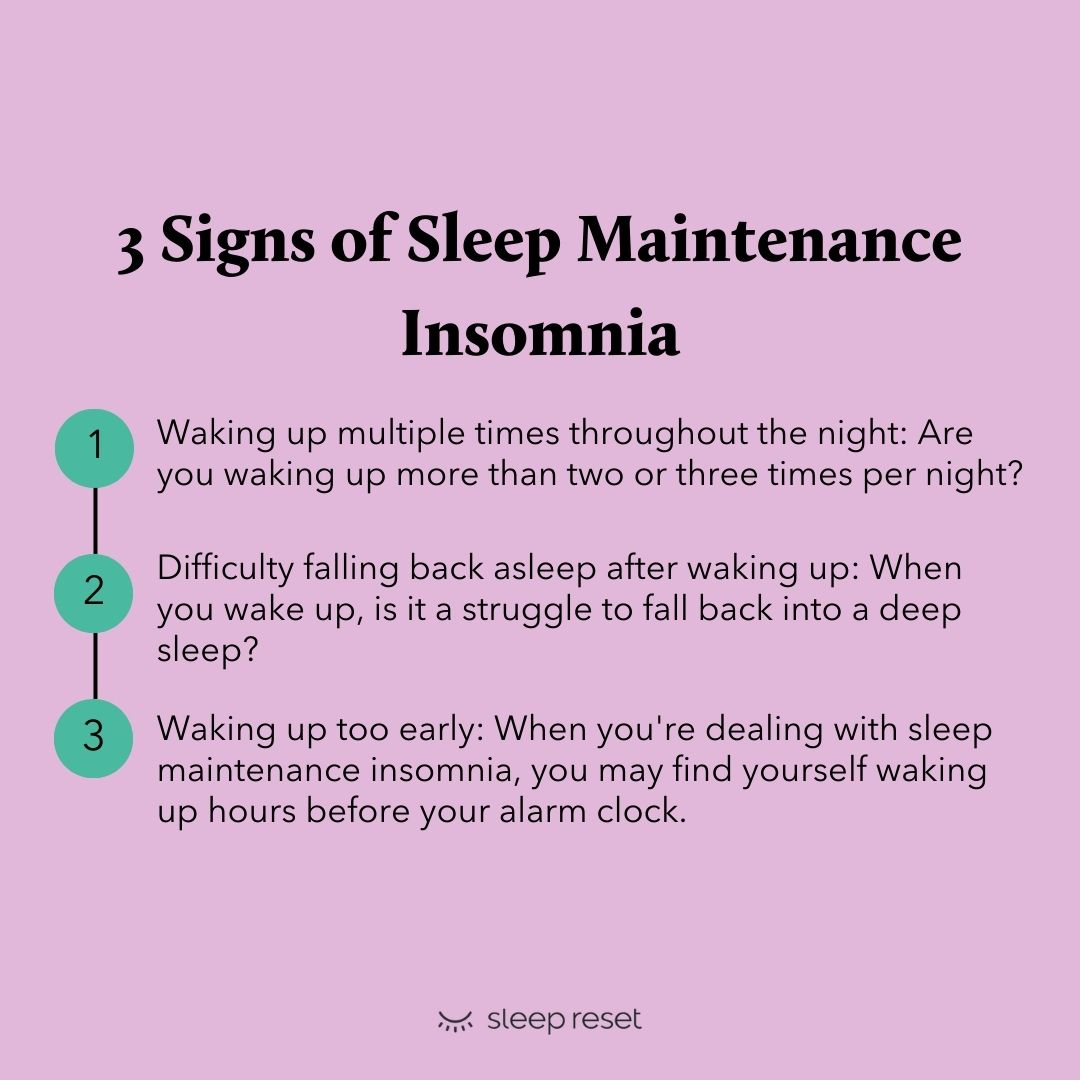
Understanding Maintenance Insomnia: Causes and Solutions
Insomnia is a common sleep disorder that affects millions of people worldwide. One specific type of insomnia that many individuals experience is maintenance insomnia. Unlike other forms of insomnia that involve difficulty falling asleep, maintenance insomnia refers to the difficulty of staying asleep throughout the night.
Causes of Maintenance Insomnia:
There are several factors that can contribute to the development of maintenance insomnia. These may include:
- Stress and Anxiety: Racing thoughts and worries can keep individuals awake at night, making it challenging to stay asleep.
- Poor Sleep Habits: Irregular sleep schedules, excessive napping during the day, or engaging in stimulating activities before bedtime can disrupt the sleep cycle.
- Medical Conditions: Underlying medical conditions such as chronic pain, acid reflux, or respiratory disorders can interfere with sleep continuity.
- Medications: Certain medications may have side effects that disrupt sleep patterns and lead to maintenance insomnia.
Solutions for Maintenance Insomnia:
If you are struggling with maintenance insomnia, there are several strategies you can try to improve your sleep quality:
- Establish a Bedtime Routine: Create a relaxing bedtime routine that includes activities like reading, taking a warm bath, or practicing deep breathing exercises to signal your body that it’s time to wind down.
- Maintain a Consistent Sleep Schedule: Go to bed and wake up at the same time every day, even on weekends, to regulate your body’s internal clock.
- Avoid Stimulants Before Bedtime: Limit caffeine intake in the afternoon and avoid electronic devices with blue light exposure close to bedtime.
- Create a Comfortable Sleep Environment: Ensure your bedroom is conducive to sleep by keeping it dark, quiet, and at a comfortable temperature.
If lifestyle changes do not improve your maintenance insomnia symptoms, consider seeking help from a healthcare professional or a sleep specialist. They can provide further evaluation and recommend appropriate treatment options tailored to your individual needs.
In conclusion, understanding the causes of maintenance insomnia and implementing effective solutions can help you achieve better sleep quality and overall well-being. By taking proactive steps to address your sleep disturbances, you can enjoy restful nights and wake up feeling refreshed and rejuvenated.
7 Effective Tips to Overcome Maintenance Insomnia
- Establish a consistent bedtime routine.
- Create a comfortable sleep environment.
- Limit exposure to screens before bed.
- Avoid caffeine and heavy meals close to bedtime.
- Engage in relaxation techniques before sleep.
- Exercise regularly but not right before bedtime.
- Consider talking to a healthcare provider for further guidance.
Establish a consistent bedtime routine.
Establishing a consistent bedtime routine is a key tip for managing maintenance insomnia. A bedtime routine helps signal to the body that it’s time to wind down and prepare for sleep. By engaging in relaxing activities such as reading, taking a warm bath, or practicing deep breathing exercises before bed, you can create a calming environment that promotes restful sleep. Consistency is crucial in reinforcing your body’s internal clock and improving sleep quality over time. By incorporating a bedtime routine into your nightly regimen, you can enhance your chances of falling asleep faster and staying asleep throughout the night, ultimately leading to better overall sleep health.
Create a comfortable sleep environment.
Creating a comfortable sleep environment is essential for managing maintenance insomnia. By ensuring that your bedroom is dark, quiet, and at a comfortable temperature, you can promote relaxation and signal to your body that it’s time to rest. Removing distractions such as electronic devices and incorporating soothing elements like soft bedding and calming scents can further enhance the sleep environment. A peaceful setting can help improve sleep quality and make it easier to stay asleep throughout the night, contributing to overall well-being and daytime alertness.
Limit exposure to screens before bed.
Limiting exposure to screens before bed is a helpful tip for managing maintenance insomnia. The blue light emitted by electronic devices can interfere with the production of melatonin, the hormone that regulates our sleep-wake cycle. By reducing screen time before bedtime, individuals can signal to their bodies that it’s time to wind down and prepare for sleep. This simple adjustment can promote better sleep quality and help alleviate the difficulties associated with staying asleep throughout the night.
Avoid caffeine and heavy meals close to bedtime.
To improve maintenance insomnia, it is advisable to avoid consuming caffeine and heavy meals close to bedtime. Caffeine is a stimulant that can interfere with the ability to fall and stay asleep, while heavy meals may cause discomfort and disrupt the digestive system, making it challenging to achieve restful sleep. By steering clear of these substances and foods in the hours leading up to bedtime, individuals experiencing maintenance insomnia can create a more conducive environment for relaxation and better sleep quality throughout the night.
Engage in relaxation techniques before sleep.
Engaging in relaxation techniques before sleep can be a helpful strategy for managing maintenance insomnia. Activities such as deep breathing exercises, progressive muscle relaxation, or meditation can help calm the mind and body, making it easier to transition into a restful state. By incorporating these relaxation techniques into your bedtime routine, you can signal to your body that it’s time to unwind and prepare for a peaceful night’s sleep.
Exercise regularly but not right before bedtime.
Regular exercise is a beneficial practice for improving sleep quality and overall well-being. However, it is important to time your workouts strategically, especially when dealing with maintenance insomnia. Engaging in physical activity earlier in the day can help regulate your sleep-wake cycle and promote restful sleep. Avoid exercising right before bedtime as it may elevate your heart rate and stimulate your body, making it harder to wind down for sleep. By incorporating regular exercise into your daily routine while being mindful of the timing, you can support better sleep patterns and manage maintenance insomnia more effectively.
Consider talking to a healthcare provider for further guidance.
For individuals struggling with maintenance insomnia, it is advisable to consider talking to a healthcare provider for further guidance. Seeking professional help can lead to a comprehensive evaluation of your sleep patterns and potential underlying causes of insomnia. A healthcare provider can offer personalized recommendations, such as lifestyle modifications, therapy options, or medication if necessary, to help you manage and overcome maintenance insomnia effectively. Consulting with a healthcare professional can be a crucial step towards improving your sleep quality and overall well-being.