The Importance of Team Building and Leadership Skills
Team building and leadership skills are essential components of a successful organization. A strong team with effective leadership can drive innovation, improve communication, boost morale, and increase productivity. Let’s explore the significance of these aspects in more detail:
Team Building
Team building activities are not just about having fun; they play a crucial role in fostering collaboration, trust, and camaraderie among team members. When individuals feel connected to their colleagues, they are more likely to work together harmoniously towards common goals.
Effective team building activities can break down barriers, encourage creativity, and enhance problem-solving skills. They also help identify strengths and weaknesses within the team, allowing for better utilization of resources and talent.
Leadership Skills
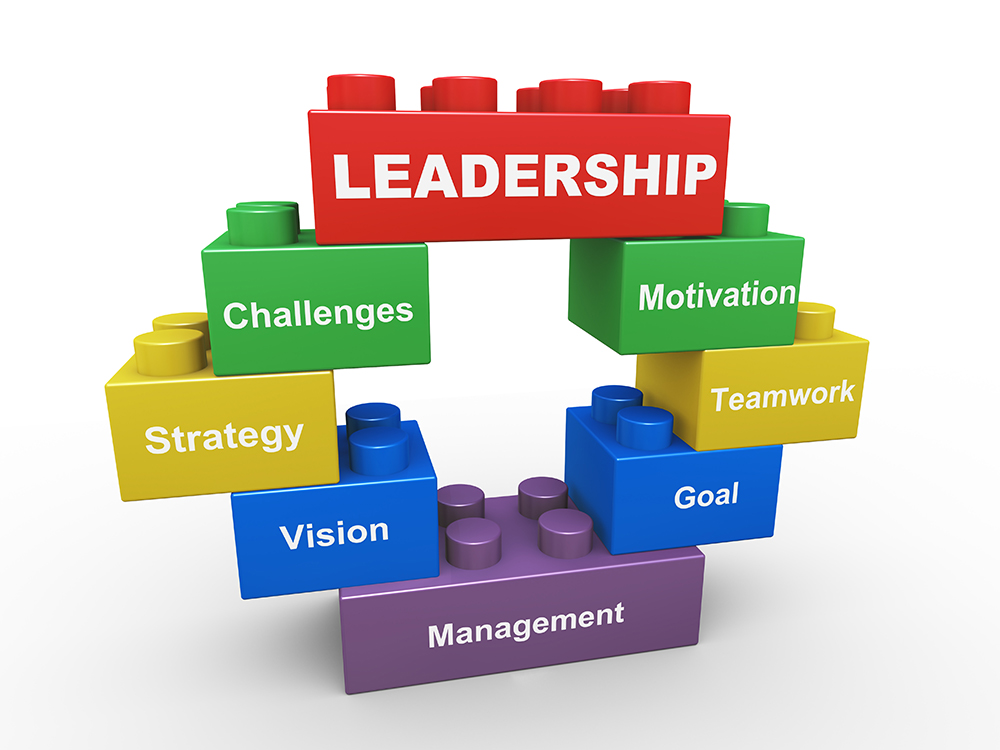
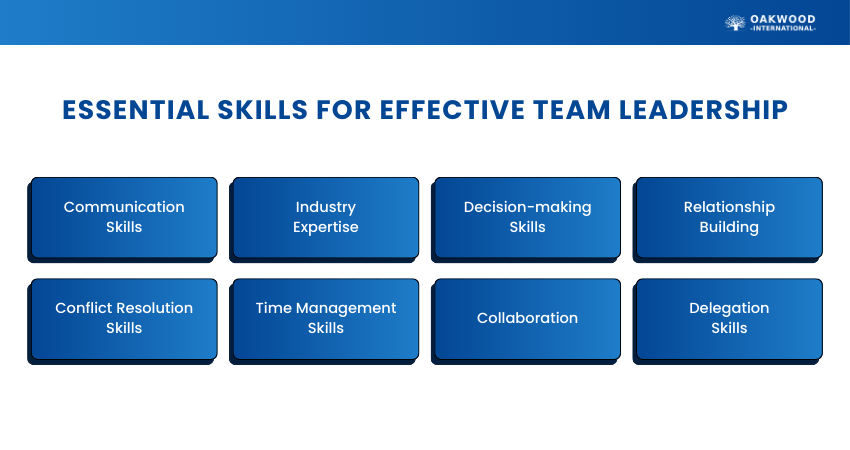
Leadership is about inspiring others to achieve their full potential and guiding them towards a shared vision. Strong leadership skills involve effective communication, decision-making, problem-solving, empathy, and resilience.
A good leader leads by example, motivates their team members, provides guidance when needed, and empowers others to take ownership of their work. Effective leaders create a positive work environment where individuals feel valued and motivated to contribute their best efforts.
Combining Team Building with Leadership
When team building is combined with strong leadership skills, organizations can achieve remarkable results. Leaders who prioritize team cohesion and collaboration create an environment where individuals feel supported, respected, and motivated to excel.
By investing in team building activities that promote trust and communication while nurturing leadership skills that inspire growth and development, organizations can build high-performing teams that drive success.
In conclusion, team building and leadership skills are integral to creating a positive work culture that fosters innovation, productivity, and employee satisfaction. By prioritizing these aspects within an organization, businesses can cultivate strong teams that propel them towards continued success.
Essential Insights: Team Building and Leadership Skills for Organizational Success
- What is the importance of team building in an organization?
- How can team building activities improve communication among team members?
- What are the key characteristics of effective leadership skills?
- How can leadership skills be developed and nurtured within a team?
- What role does trust play in building strong teams and effective leadership?
What is the importance of team building in an organization?
Team building plays a pivotal role in an organization by fostering collaboration, trust, and synergy among team members. It enhances communication, promotes a sense of unity, and cultivates a supportive work environment where individuals feel valued and motivated. Through team building activities, employees develop stronger relationships, understand each other’s strengths and weaknesses, and learn to work cohesively towards common goals. This leads to increased productivity, improved problem-solving abilities, and a more positive organizational culture. Ultimately, the importance of team building in an organization lies in its ability to strengthen bonds among team members, boost morale, and drive collective success.
How can team building activities improve communication among team members?
Team building activities can significantly enhance communication among team members by providing a platform for individuals to interact in a non-work setting. These activities encourage team members to engage in open dialogue, actively listen to one another, and collaborate towards a common goal. By participating in challenges and tasks that require teamwork, individuals learn to communicate effectively, share ideas, provide feedback, and resolve conflicts constructively. Team building activities help break down communication barriers, build trust among team members, and create a sense of camaraderie that translates into improved communication within the workplace.
What are the key characteristics of effective leadership skills?
When considering the key characteristics of effective leadership skills, several qualities stand out as essential. Strong leaders demonstrate excellent communication abilities, enabling them to convey their vision clearly and inspire others to action. They exhibit empathy and understanding towards team members, fostering trust and collaboration within the group. Effective leaders also possess decision-making skills, allowing them to make informed choices that benefit the team and organization as a whole. Additionally, adaptability, resilience, and the ability to motivate and empower others are crucial aspects of successful leadership. By embodying these characteristics, leaders can guide their teams towards shared goals with confidence and integrity.
How can leadership skills be developed and nurtured within a team?
Developing and nurturing leadership skills within a team requires a proactive and intentional approach. One effective way is through mentorship programs where experienced leaders provide guidance and support to team members, helping them hone their leadership abilities. Encouraging continuous learning and professional development opportunities, such as workshops, seminars, and training sessions focused on leadership skills, can also foster growth. Additionally, creating a culture that values open communication, feedback, and collaboration allows team members to practice and refine their leadership skills in a supportive environment. By empowering individuals to take on leadership roles, delegating responsibilities, and recognizing their contributions, teams can cultivate a strong foundation for developing effective leaders.
What role does trust play in building strong teams and effective leadership?
Trust plays a pivotal role in building strong teams and effective leadership. Without trust, team members may hesitate to collaborate, share ideas, or take risks. Trust fosters open communication, mutual respect, and a sense of psychological safety within a team. When team members trust each other and their leaders, they are more likely to work cohesively towards common goals, support one another during challenges, and innovate with confidence. Effective leadership that is built on trust inspires loyalty, motivates team members to perform at their best, and creates a positive work environment where individuals feel valued and empowered. Trust is the foundation upon which successful teams and leaders are built, enabling them to achieve remarkable results together.