
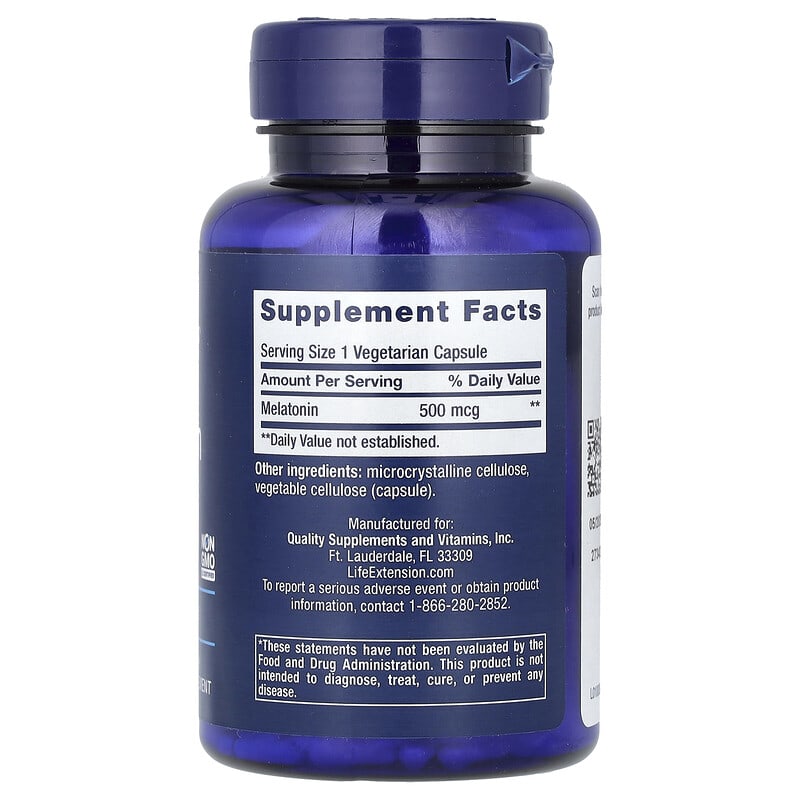
Life Extension Melatonin: A Natural Way to Support Healthy Sleep and Longevity
Melatonin is a hormone produced by the pineal gland in the brain that helps regulate sleep-wake cycles. In addition to its role in promoting restful sleep, melatonin has also been studied for its potential anti-aging and longevity benefits.
As we age, our bodies naturally produce less melatonin, which can contribute to sleep disturbances and other age-related issues. Supplementing with melatonin has been shown to help improve sleep quality and duration, making it a popular choice for those looking to support healthy aging.
But beyond its role in promoting restful sleep, melatonin has also been studied for its potential anti-aging effects. Research suggests that melatonin may act as a powerful antioxidant, helping to protect cells from damage caused by free radicals and oxidative stress. By reducing oxidative damage at the cellular level, melatonin may help slow down the aging process and support overall health and longevity.
Furthermore, melatonin has been shown to have anti-inflammatory properties, which can help reduce inflammation throughout the body. Chronic inflammation is linked to a variety of age-related diseases, so by reducing inflammation, melatonin may help lower the risk of developing conditions such as heart disease, diabetes, and neurodegenerative disorders.
It’s important to note that while melatonin supplements are generally considered safe for short-term use, long-term effects are still being studied. As with any supplement or medication, it’s best to consult with a healthcare provider before starting a new regimen.
In conclusion, life extension melatonin offers a natural way to support healthy sleep patterns while potentially providing additional benefits for overall health and longevity. By incorporating melatonin into your wellness routine, you may be able to enjoy improved sleep quality, reduced inflammation, and enhanced cellular protection as you age.
Key Questions About Melatonin: Usage, Safety, and Effects
- Who should not take melatonin?
- What is the new warning on melatonin?
- Does taking melatonin lower cortisol?
- Is it OK to take melatonin every night?
- What are the bad side effects of melatonin?
- Should I take melatonin for jet lag?
Who should not take melatonin?
Individuals who should avoid taking melatonin include pregnant or nursing women, children, and those with certain medical conditions or taking specific medications. It is important to consult with a healthcare provider before starting melatonin supplementation, especially if you have epilepsy, depression, autoimmune disorders, diabetes, or are taking blood-thinning medications. Melatonin may interact with certain medications and medical conditions, so it is crucial to seek professional advice to ensure its safe use and effectiveness.
What is the new warning on melatonin?
Recent studies have raised concerns about the potential impact of melatonin on hormonal development in children and adolescents. Some research suggests that melatonin supplementation could interfere with the natural production of hormones responsible for growth and puberty. As a result, health authorities have issued warnings advising caution when using melatonin in young individuals, especially without medical supervision. It is essential for parents and caregivers to be aware of these potential risks and to consult healthcare professionals before giving melatonin to children or teenagers as a sleep aid.
Does taking melatonin lower cortisol?
One frequently asked question about life extension melatonin is whether taking melatonin can lower cortisol levels. While melatonin and cortisol are both hormones that play key roles in the body’s sleep-wake cycle, stress response, and overall health, the relationship between the two is complex. Some studies suggest that melatonin may have a regulatory effect on cortisol levels, potentially helping to reduce stress and promote relaxation. However, more research is needed to fully understand the impact of melatonin on cortisol production and how it may influence overall hormone balance in the body.
Is it OK to take melatonin every night?
Taking melatonin every night is generally considered safe for short-term use to address sleep issues. However, it is important to consult with a healthcare provider before making it a regular habit, especially for long-term use. While melatonin is a natural hormone produced by the body, there is still ongoing research on the effects of prolonged supplementation. It’s essential to determine the appropriate dosage and duration based on individual needs and health conditions. Regularly taking melatonin without medical supervision may impact the body’s natural production of the hormone and could potentially lead to dependence or other unforeseen consequences. Consulting with a healthcare professional can help ensure that melatonin supplementation is safe and effective for improving sleep quality without adverse effects in the long run.
What are the bad side effects of melatonin?
While melatonin is generally considered safe for short-term use, some individuals may experience side effects when taking this supplement. Commonly reported side effects of melatonin include daytime drowsiness, dizziness, headache, and mild stomach discomfort. In some cases, melatonin may also cause vivid dreams or nightmares, especially when taken in higher doses. It’s important to note that long-term effects of melatonin supplementation are still being studied, so it’s recommended to use caution and consult with a healthcare provider before starting a melatonin regimen, especially if you have underlying health conditions or are taking other medications.
Should I take melatonin for jet lag?
Many people wonder if they should take melatonin for jet lag. Melatonin is often recommended as a natural remedy to help regulate sleep patterns disrupted by travel across time zones. By taking melatonin supplements at the appropriate time, typically before bedtime in the new time zone, it can help signal to your body that it’s time to sleep, thus potentially reducing the effects of jet lag. However, it’s important to consult with a healthcare provider before starting melatonin for jet lag, as individual responses to the supplement may vary and proper timing and dosage are crucial for its effectiveness.