Management and Leadership Training: Key Strategies for Success
In today’s competitive business environment, effective management and leadership are essential for driving organizational success. Investing in management and leadership training programs can empower individuals to lead with confidence, inspire their teams, and achieve strategic goals.
The Importance of Management and Leadership Training
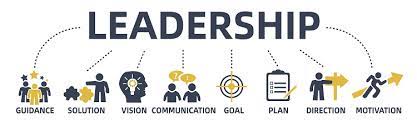
Management and leadership training provide valuable skills and knowledge that are crucial for guiding teams, making informed decisions, and fostering a positive work culture. These programs help individuals develop key competencies such as:
- Effective communication
- Strategic thinking
- Conflict resolution
- Team building
- Decision-making
- Motivation and empowerment
Key Strategies Covered in Training Programs
Management and leadership training programs often cover a range of strategies to help participants enhance their capabilities. Some key strategies include:
- Situational Leadership: Understanding how to adapt leadership styles based on the needs of individual team members and the specific situation.
- Emotional Intelligence: Developing self-awareness, empathy, and social skills to effectively manage emotions and relationships in the workplace.
- Change Management: Learning how to lead through organizational change by communicating effectively, managing resistance, and fostering a culture of adaptability.
- Creative Problem Solving: Cultivating innovative thinking skills to identify challenges, explore solutions, and make informed decisions that drive business growth.
- Cross-Cultural Leadership: Navigating diverse work environments by understanding cultural differences, promoting inclusivity, and leveraging diversity for enhanced team performance.
The Benefits of Investing in Management and Leadership Training
By investing in management and leadership training, organizations can experience numerous benefits, including:
- Increased employee engagement and retention
- Improved team collaboration and productivity
ul>
Contact us today to learn more about our comprehensive management and leadership training programs tailored to your organization’s specific needs. Empower your leaders to drive success!
9 Essential FAQs About Management and Leadership Training
- What is the importance of management and leadership training?
- What are the key skills developed in management and leadership training programs?
- How can management and leadership training benefit individuals and organizations?
- What are some common strategies covered in management and leadership training programs?
- How do management and leadership training programs help improve team performance?
- What role does emotional intelligence play in effective leadership?
- How can organizations measure the effectiveness of their management and leadership training initiatives?
- Are there specific industry trends influencing the design of modern management and leadership training programs?
- What resources or support systems are available for individuals looking to further develop their management and leadership skills?
What is the importance of management and leadership training?
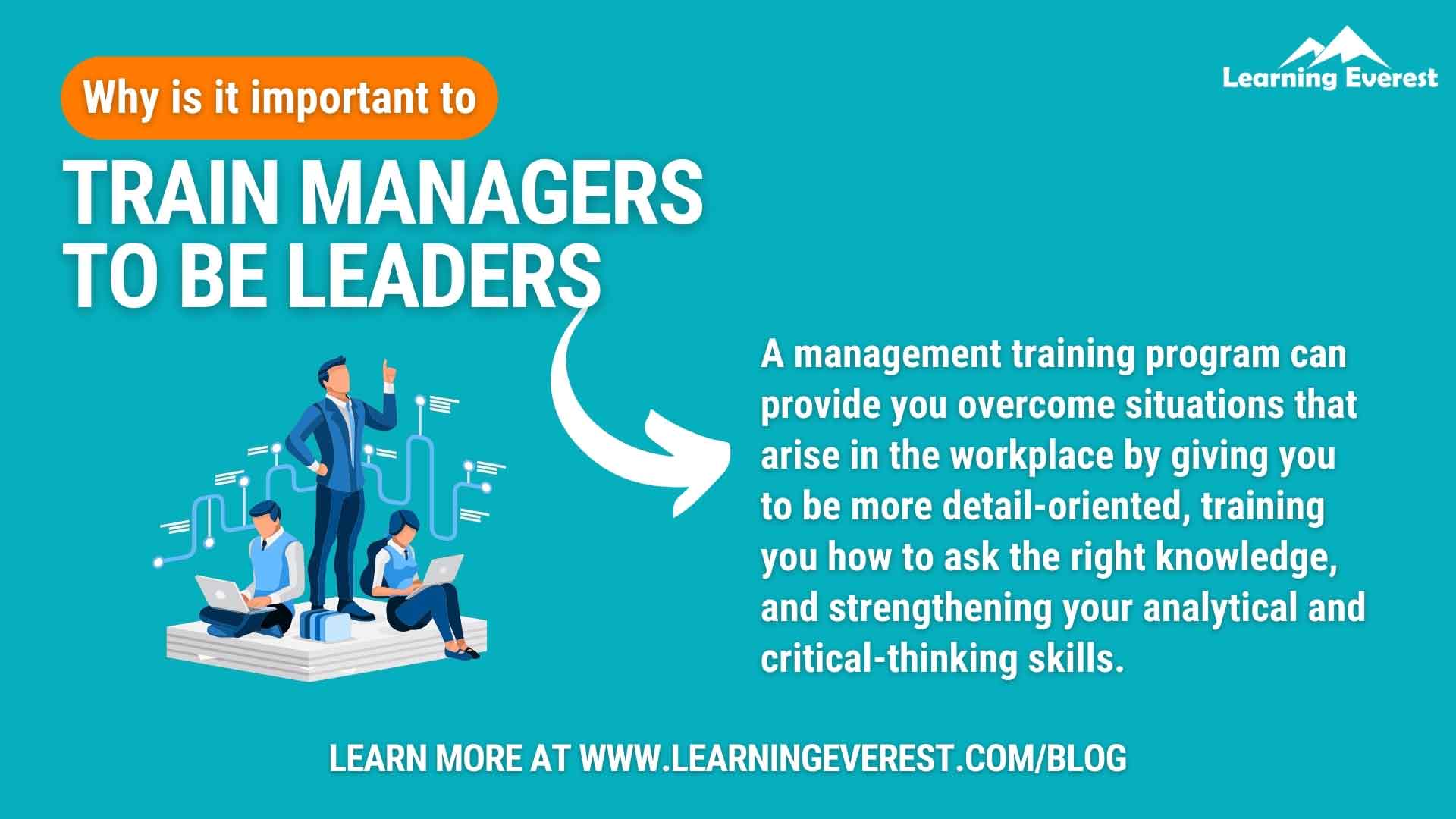
Understanding the importance of management and leadership training is crucial in today’s dynamic business landscape. These training programs play a vital role in equipping individuals with the necessary skills and knowledge to effectively lead teams, make strategic decisions, and foster a culture of innovation and growth within organizations. By investing in management and leadership training, companies can cultivate strong leaders who can inspire and motivate their teams, navigate challenges with confidence, and drive sustainable success. Ultimately, these programs empower individuals to enhance their leadership capabilities, build cohesive teams, and achieve organizational objectives in a competitive market environment.
What are the key skills developed in management and leadership training programs?
In management and leadership training programs, participants develop a range of key skills essential for effective leadership and team management. These programs focus on honing skills such as effective communication, strategic thinking, conflict resolution, team building, decision-making, motivation, and empowerment. By enhancing these competencies, individuals are better equipped to lead with confidence, inspire their teams, navigate challenges, and drive organizational success. The comprehensive nature of management and leadership training ensures that participants acquire the necessary tools to excel in their roles and foster a positive work environment conducive to growth and innovation.
How can management and leadership training benefit individuals and organizations?
Management and leadership training offers significant benefits to both individuals and organizations. For individuals, such training provides valuable skills and knowledge that enhance their ability to lead effectively, communicate clearly, make informed decisions, and inspire others. It helps individuals develop self-awareness, emotional intelligence, and problem-solving abilities, enabling them to navigate challenges with confidence and resilience. For organizations, investing in management and leadership training results in improved employee engagement, higher productivity levels, enhanced team collaboration, and better decision-making processes. Ultimately, such training fosters a positive work culture, drives organizational success, and ensures sustainable growth in today’s competitive business landscape.
What are some common strategies covered in management and leadership training programs?
In management and leadership training programs, participants often encounter a variety of common strategies designed to enhance their skills and effectiveness as leaders. Some of these strategies include situational leadership, which emphasizes adapting leadership styles based on individual team members’ needs and specific circumstances. Emotional intelligence training is another key component, focusing on developing self-awareness, empathy, and relationship management skills. Change management strategies are also commonly covered to help leaders navigate organizational transitions successfully. Additionally, programs may address creative problem-solving techniques and cross-cultural leadership skills to equip participants with the tools needed to excel in diverse work environments.
How do management and leadership training programs help improve team performance?
Management and leadership training programs play a crucial role in enhancing team performance by equipping leaders with the necessary skills and tools to effectively lead, motivate, and empower their teams. These programs help managers develop strong communication abilities, strategic thinking, conflict resolution techniques, and team-building strategies. By fostering a culture of collaboration, trust, and accountability within the team, management and leadership training programs create a conducive environment for employees to work together towards common goals. Ultimately, improved leadership capabilities result in increased employee engagement, enhanced productivity, better decision-making processes, and overall higher team performance levels.
What role does emotional intelligence play in effective leadership?
Emotional intelligence plays a crucial role in effective leadership by enabling leaders to understand and manage their own emotions as well as those of others. Leaders with high emotional intelligence can empathize with their team members, build strong relationships, and navigate challenging situations with grace and composure. By recognizing and regulating emotions, effective leaders can inspire trust, communicate effectively, and make decisions that consider both the rational and emotional aspects of a situation. Ultimately, emotional intelligence is a key factor in building a positive work culture, fostering collaboration, and driving organizational success.
How can organizations measure the effectiveness of their management and leadership training initiatives?
Organizations can measure the effectiveness of their management and leadership training initiatives through various methods. One common approach is to conduct pre- and post-training assessments to gauge improvements in key competencies such as communication, decision-making, and team performance. Additionally, feedback from participants, supervisors, and peers can provide valuable insights into the impact of the training on individual and team behavior. Tracking metrics such as employee engagement levels, retention rates, and productivity can also help organizations assess the long-term benefits of their training programs. By establishing clear goals, collecting relevant data, and analyzing outcomes, organizations can evaluate the success of their management and leadership training initiatives and make informed decisions for future development efforts.
Are there specific industry trends influencing the design of modern management and leadership training programs?
In response to the frequently asked question about industry trends influencing the design of modern management and leadership training programs, it is evident that several key factors are shaping the landscape of professional development. Industries are increasingly emphasizing the importance of agility, digital transformation, diversity and inclusion, and remote work capabilities in their leadership training initiatives. As organizations navigate rapid changes and evolving business models, training programs are adapting to incorporate these trends to equip leaders with the skills needed to thrive in today’s dynamic work environment. By staying attuned to industry trends, modern management and leadership training programs can effectively address current challenges and prepare leaders for future success.
What resources or support systems are available for individuals looking to further develop their management and leadership skills?
For individuals seeking to enhance their management and leadership skills, there are various resources and support systems available to support their professional development journey. These may include online courses, workshops, seminars, and webinars focused on leadership development, communication skills, strategic thinking, and other relevant topics. Additionally, mentorship programs, executive coaching services, networking opportunities with industry professionals, and access to leadership literature and research can provide valuable insights and guidance. Organizations may also offer internal training programs, career development initiatives, and opportunities for hands-on leadership experience to help individuals grow and excel in their roles. By tapping into these resources and support systems, individuals can gain the knowledge, skills, and confidence needed to become effective leaders in their respective fields.