The Impact of Coaching on Leadership Development
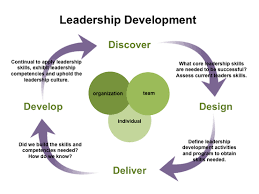
Leadership development is a crucial aspect of organizational success. Effective leadership not only drives innovation and growth but also fosters a positive work culture and motivates employees to perform at their best. In today’s dynamic business environment, the role of coaching in leadership development has become increasingly significant.
Coaching provides leaders with the opportunity to reflect on their strengths and areas for improvement in a supportive and constructive manner. Through one-on-one coaching sessions, leaders can gain valuable insights into their leadership style, communication skills, decision-making processes, and emotional intelligence.
One of the key benefits of coaching in leadership development is its focus on personalized growth plans. Coaches work with leaders to identify specific goals and create actionable strategies to achieve them. This tailored approach allows leaders to address their unique challenges and leverage their strengths effectively.
Moreover, coaching helps leaders enhance their self-awareness and emotional intelligence. By exploring their values, beliefs, and motivations, leaders can develop a deeper understanding of themselves and how their actions impact others. This heightened self-awareness enables leaders to build stronger relationships, inspire trust, and lead with authenticity.
Another important aspect of coaching in leadership development is its emphasis on continuous learning and growth. Through regular coaching sessions, leaders receive feedback, guidance, and support to navigate complex challenges, adapt to change, and refine their leadership skills over time.
Overall, coaching plays a vital role in shaping effective leaders who are able to inspire others, drive organizational success, and create a culture of excellence. By investing in coaching for leadership development, organizations can cultivate a pipeline of skilled and resilient leaders who are equipped to lead with vision, purpose, and impact.
The 7 Key Benefits of Coaching and Leadership Development: Unlocking Self-Awareness, Communication, Growth, and More
- Enhances self-awareness
- Improves communication skills
- Fosters personal growth
- Develops effective decision-making abilities
- Builds resilience and adaptability
- Promotes a positive work culture
- Empowers individuals to reach their full potential
Challenges in Coaching and Leadership Development: Navigating Costs, Time, and Organizational Barriers
- Costly investment
- Time-consuming
- Resistance to change
- Lack of immediate results
- Dependency on the coach
- Mismatched coaching styles
- Limited organizational support
Enhances self-awareness
Enhancing self-awareness is a key benefit of coaching and leadership development. Through introspective exercises, feedback from coaches, and guided reflection, individuals can gain a deeper understanding of their values, beliefs, strengths, and areas for growth. This heightened self-awareness empowers leaders to recognize their impact on others, make more informed decisions, and cultivate stronger relationships. By fostering self-awareness, coaching enables leaders to align their actions with their values, communicate authentically, and lead with empathy and clarity. Ultimately, this self-awareness not only benefits the individual leader but also contributes to a positive organizational culture and enhances overall team performance.
Improves communication skills
Improving communication skills is a significant benefit of coaching and leadership development. Through targeted coaching sessions, leaders can enhance their ability to articulate ideas clearly, listen actively, and engage effectively with their teams. Strong communication skills are essential for building trust, fostering collaboration, and resolving conflicts in the workplace. By honing their communication skills through coaching, leaders can create a more inclusive and productive work environment where open dialogue and constructive feedback are valued.
Fosters personal growth
Coaching and leadership development have a profound impact on fostering personal growth. Through personalized coaching sessions, individuals are guided to explore their strengths, weaknesses, and potential areas for improvement. This self-reflective process not only enhances self-awareness but also empowers individuals to set meaningful goals and take proactive steps towards achieving them. By challenging limiting beliefs and behaviors, coaching encourages individuals to step out of their comfort zones, embrace change, and unlock their full potential. Ultimately, the journey of coaching and leadership development serves as a catalyst for personal growth, enabling individuals to evolve into more confident, resilient, and purpose-driven leaders in both their professional and personal lives.
Develops effective decision-making abilities
Coaching and leadership development play a crucial role in enhancing effective decision-making abilities among leaders. Through personalized coaching sessions, leaders are equipped with the tools and strategies to analyze situations, weigh options, and make informed decisions that align with organizational goals. By honing their critical thinking skills and emotional intelligence, leaders can navigate complex challenges with confidence and clarity. The guidance and support provided through coaching empower leaders to make sound decisions that drive success, foster innovation, and inspire trust among their teams. Effective decision-making abilities cultivated through coaching not only benefit individual leaders but also contribute to the overall growth and resilience of the organization.
Builds resilience and adaptability
Coaching and leadership development play a crucial role in building resilience and adaptability among individuals. Through targeted coaching sessions, leaders are equipped with the tools and mindset to navigate challenges, setbacks, and changes effectively. By fostering resilience, leaders can bounce back from adversity, maintain focus during turbulent times, and lead their teams with confidence. Additionally, coaching helps leaders develop adaptability skills that enable them to embrace change, think creatively, and pivot strategies when needed. This proactively prepares leaders to thrive in dynamic environments and lead their organizations towards sustainable growth and success.
Promotes a positive work culture
Coaching and leadership development play a pivotal role in promoting a positive work culture within organizations. By providing leaders with the tools and skills to effectively communicate, inspire, and empower their teams, coaching helps create an environment of trust, collaboration, and mutual respect. When leaders prioritize coaching as a means to develop their own leadership abilities, they set a powerful example for their employees, fostering a culture that values growth, learning, and continuous improvement. A positive work culture not only enhances employee morale and engagement but also leads to increased productivity, innovation, and overall organizational success.
Empowers individuals to reach their full potential
Coaching and leadership development empower individuals to reach their full potential by providing personalized support, guidance, and tools to unlock their capabilities. Through targeted coaching sessions, individuals are encouraged to set ambitious goals, overcome limiting beliefs, and develop the skills needed to excel in their roles. By fostering a growth mindset and offering constructive feedback, coaching enables individuals to tap into their strengths, address areas for improvement, and maximize their performance. This proactive approach not only boosts individual confidence and motivation but also cultivates a culture of continuous learning and self-improvement within organizations. Ultimately, coaching empowers individuals to unleash their true potential, achieve personal and professional growth, and make a lasting impact in their respective fields.
Costly investment
Coaching and leadership development programs, while beneficial, can pose a significant challenge due to their costly nature. The investment required for such programs can be prohibitive, particularly for small businesses or individuals with limited financial resources. The high costs associated with coaching and leadership development may deter some organizations or professionals from accessing these valuable services, potentially hindering their ability to enhance leadership skills and drive organizational growth. Finding cost-effective solutions or exploring alternative resources may be necessary to make coaching and leadership development more accessible to a wider range of individuals and businesses.
Time-consuming
Participating in coaching sessions and leadership training can be a significant con due to its time-consuming nature. Leaders often find it challenging to allocate time for these activities amidst their already demanding daily responsibilities. The commitment required for coaching and training sessions may interfere with crucial tasks, deadlines, and other work obligations, potentially causing disruptions in workflow and productivity. Balancing the time investment needed for personal development through coaching with the demands of leadership roles can be a delicate challenge that leaders must navigate effectively to ensure optimal performance and growth.
Resistance to change
Resistance to change can be a significant con in coaching and leadership development. Some individuals may struggle with receiving feedback and engaging in self-reflection, which are essential components of the coaching process. This resistance can hinder their ability to grow and develop as effective leaders. Without a willingness to embrace change and explore areas for improvement, individuals may miss out on valuable opportunities for personal and professional growth that coaching can offer. Overcoming this resistance is crucial for leaders to unlock their full potential and lead with confidence, adaptability, and resilience in today’s fast-paced business environment.
Lack of immediate results
One significant con of coaching and leadership development is the lack of immediate results. Leadership growth is a gradual journey that requires time, effort, and consistent practice. Participants may not experience instant, tangible outcomes from coaching sessions, which can potentially lead to feelings of frustration or impatience. It’s important for individuals undergoing leadership development to understand that personal and professional growth takes time and persistence, and the benefits of coaching often become evident in the long term through sustained progress and positive changes in leadership skills and behaviors.
Dependency on the coach
One significant drawback of coaching and leadership development is the potential for leaders to develop a dependency on their coach. This reliance may hinder the growth of independent decision-making skills among leaders, as they may default to seeking guidance from their coach rather than trusting their own judgment. Over time, this reliance can limit a leader’s ability to think critically, problem-solve autonomously, and take ownership of their decisions. It is essential for both coaches and leaders to strike a balance between receiving support and fostering self-reliance to ensure sustainable leadership development and long-term success.
Mismatched coaching styles
When it comes to coaching and leadership development, a significant con to consider is the presence of mismatched coaching styles. If there is a lack of alignment between the coach’s approach and the leader’s preferences or expectations, the coaching relationship may suffer from ineffectiveness. This mismatch can hinder the progress and impact of the coaching process, as the leader may not fully resonate with or benefit from the coaching techniques and strategies employed. It is essential for both parties to communicate openly, establish mutual understanding, and ensure compatibility in coaching styles to maximize the effectiveness and success of leadership development efforts.
Limited organizational support
Limited organizational support can be a significant con in coaching and leadership development initiatives. When there is a lack of buy-in from top management or a corporate culture that does not prioritize coaching, the effectiveness and sustainability of leadership development efforts may be compromised. Without the necessary support and endorsement from key stakeholders, leaders may struggle to implement new skills and behaviors learned through coaching into their daily practices. Additionally, a lack of organizational support can hinder the integration of coaching principles into the company’s overall strategy and vision, limiting the long-term impact on leadership effectiveness and organizational performance.