The Role of Coaching in Leadership Development
Leadership development is a crucial aspect of organizational growth and success. Effective leaders inspire, motivate, and guide their teams toward achieving common goals. However, becoming a great leader requires continuous learning and self-improvement.
One powerful tool that has gained popularity in leadership development is coaching. Coaching provides leaders with personalized guidance, support, and feedback to enhance their skills, mindset, and overall effectiveness.
Benefits of Coaching in Leadership Development:
- Self-Awareness: Coaching helps leaders gain a deeper understanding of their strengths, weaknesses, values, and leadership style. This self-awareness enables them to leverage their strengths and work on areas that need improvement.
- Goal Setting: Coaches assist leaders in setting clear and achievable goals that align with the organization’s objectives. By defining specific goals, leaders can stay focused and track their progress effectively.
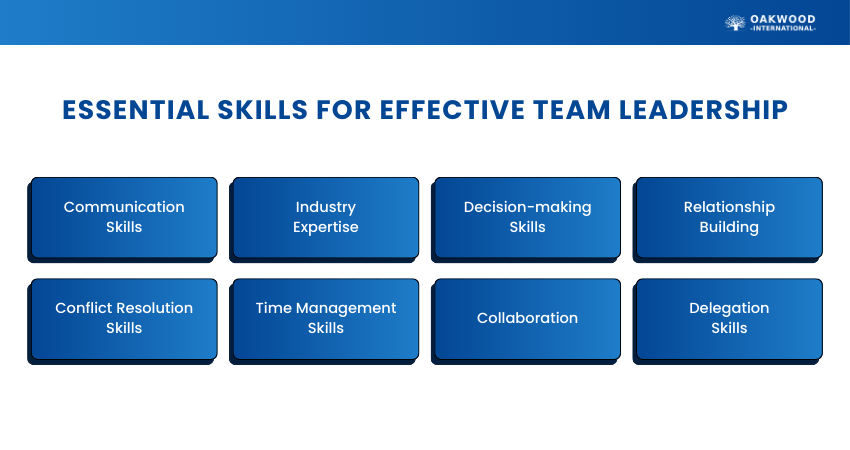
- Communication Skills: Effective communication is essential for successful leadership. Coaches help leaders enhance their communication skills, including active listening, giving feedback, and fostering open dialogue within their teams.
- Conflict Resolution: Leaders often face challenging situations that require effective conflict resolution skills. Coaches provide strategies and techniques to help leaders navigate conflicts constructively and maintain positive relationships within the team.
- Decision-Making: Making sound decisions is a critical aspect of leadership. Coaches support leaders in developing decision-making frameworks, weighing options, considering risks, and making informed choices that benefit the organization.
In conclusion, coaching plays a vital role in leadership development by empowering leaders to reach their full potential, drive organizational success, and create a positive impact on their teams. Embracing coaching as a key component of leadership development can lead to enhanced performance, increased engagement, and sustainable growth within an organization.
5 Essential Tips for Effective Leadership Coaching
- Set clear goals and expectations for the coaching process.
- Provide constructive feedback to help individuals improve their leadership skills.
- Encourage self-reflection to promote personal growth and development.
- Develop a trusting and supportive relationship with those being coached.
- Continuously assess progress and adjust coaching strategies as needed.
Set clear goals and expectations for the coaching process.
Setting clear goals and expectations for the coaching process is essential in leadership development. By defining specific objectives and outlining expectations from the coaching relationship, both the leader and the coach can align their efforts toward achieving desired outcomes. Clear goals provide a roadmap for progress, help track development, and ensure that coaching sessions are focused and effective. Establishing expectations upfront fosters transparency, trust, and accountability, creating a supportive environment for growth and learning. Clarity in goals and expectations sets the foundation for a successful coaching journey that empowers leaders to enhance their skills, drive performance, and achieve their leadership potential.
Provide constructive feedback to help individuals improve their leadership skills.
Providing constructive feedback is a valuable tip in coaching for leadership development as it offers individuals specific insights into areas where they can enhance their leadership skills. Constructive feedback serves as a roadmap for improvement, highlighting strengths to leverage and areas for growth. By offering feedback in a supportive and constructive manner, coaches can empower individuals to reflect on their performance, make necessary adjustments, and ultimately evolve into more effective leaders. This approach fosters a culture of continuous learning and development, enabling individuals to reach their full potential and drive positive change within their teams and organizations.
Encourage self-reflection to promote personal growth and development.
Encouraging self-reflection is a valuable tip in coaching for leadership development as it fosters personal growth and enhances overall development. By prompting leaders to introspect and analyze their thoughts, actions, and decisions, they can gain deeper insights into their strengths, areas for improvement, and values. Self-reflection enables leaders to identify patterns of behavior, set meaningful goals, and refine their leadership approach. Through this process of self-discovery and self-awareness, leaders can cultivate a growth mindset, adapt to challenges more effectively, and continuously evolve as impactful and inspiring leaders within their organizations.
Develop a trusting and supportive relationship with those being coached.
Developing a trusting and supportive relationship with individuals undergoing coaching in leadership development is essential for fostering growth and success. When coaches establish a foundation of trust, open communication, and empathy, it creates a safe space for coachees to share their challenges, aspirations, and vulnerabilities. This bond allows for constructive feedback, personalized guidance, and collaborative problem-solving, enabling leaders to explore new perspectives, develop self-awareness, and implement positive changes effectively. By building a strong relationship based on trust and support, coaches can empower individuals to unlock their full potential, enhance their leadership skills, and achieve meaningful progress in their personal and professional development journey.
Continuously assess progress and adjust coaching strategies as needed.
In coaching for leadership development, it is essential to continuously assess the progress of the leader and be willing to adjust coaching strategies as needed. By regularly evaluating the leader’s development journey, coaches can identify areas of improvement, address challenges, and tailor their approach to better support the leader’s growth. This adaptability ensures that coaching remains effective and relevant, guiding leaders towards achieving their goals and enhancing their leadership skills over time.