The Importance of Coaching and Mentoring in Leadership Development
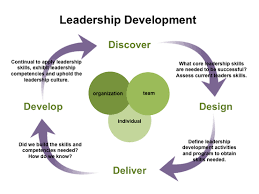
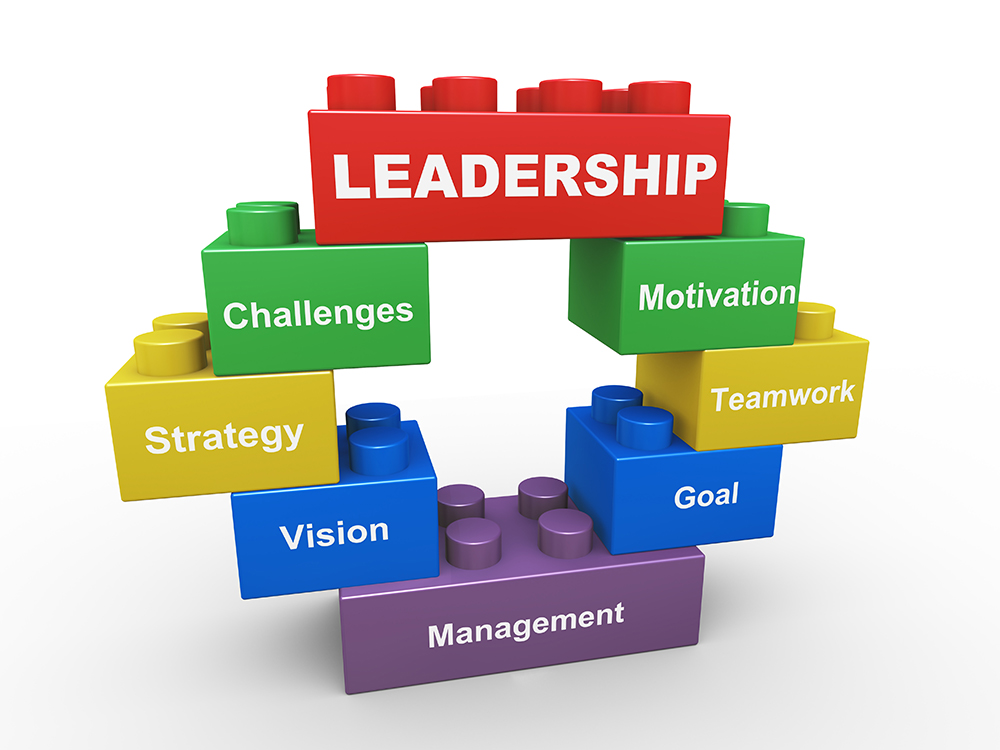
Leadership development is a crucial aspect of organizational growth and success. Effective leaders inspire, motivate, and guide their teams to achieve common goals. To cultivate strong leaders, organizations often turn to coaching and mentoring as valuable tools for leadership development.
Coaching for Leadership Development
Coaching is a personalized approach to leadership development that focuses on enhancing an individual’s skills, behaviors, and mindset. A professional coach works closely with the leader to identify strengths, areas for improvement, and goals for growth. Through one-on-one sessions, feedback, and support, coaching helps leaders unlock their full potential and become more effective in their roles.
Mentoring for Leadership Development
Mentoring involves a more experienced individual guiding and advising a less experienced leader in their professional development. Mentors share their knowledge, insights, and experiences to help mentees navigate challenges, make informed decisions, and develop key leadership competencies. The mentor-mentee relationship is built on trust, respect, and mutual learning.
The Synergy of Coaching and Mentoring
When combined, coaching and mentoring create a powerful synergy that accelerates leadership development. Coaching provides personalized support tailored to the leader’s specific needs and goals, while mentoring offers wisdom gained from experience and perspective. Together, they create a comprehensive approach to developing well-rounded leaders who are equipped to handle complex challenges in today’s dynamic business environment.
Benefits of Coaching and Mentoring for Leadership Development
- Skill Enhancement: Coaching helps leaders develop new skills and refine existing ones through targeted feedback and practice.
- Confidence Building: Mentoring provides encouragement and guidance that boosts the leader’s self-assurance in decision-making.
- Knowledge Transfer: Mentors share valuable insights that help mentees gain new perspectives and learn from others’ experiences.
- Career Advancement: Both coaching and mentoring contribute to the leader’s professional growth by expanding their capabilities and increasing their visibility within the organization.
Conclusion
In conclusion, coaching and mentoring play vital roles in fostering leadership development within organizations. By investing in these supportive relationships, businesses can cultivate a pipeline of skilled leaders who are prepared to lead with confidence, resilience, and vision. Through ongoing coaching and mentoring initiatives, organizations can nurture talent from within while driving sustainable growth and innovation.
Unlocking Leadership Potential: The Benefits of Coaching and Mentoring for Growth and Development
- Personalized guidance tailored to individual needs and goals.
- Enhancement of leadership skills and competencies through targeted feedback.
- Opportunity for self-reflection and growth in a supportive environment.
- Access to valuable insights and perspectives from experienced mentors.
- Boost in confidence and self-assurance in decision-making and problem-solving.
- Development of a strong leadership pipeline within the organization.
Challenges of Coaching and Mentoring in Leadership Development: Costs, Time, and More
- 1. Costly investment
- 2. Time-consuming process
- 3. Dependency risk
- 4. Mismatched relationships
- 5. Resistance to feedback
- 6. Limited scalability
Personalized guidance tailored to individual needs and goals.
Personalized guidance tailored to individual needs and goals is a key advantage of coaching and mentoring for leadership development. By focusing on the specific strengths, challenges, and aspirations of each leader, coaches and mentors can provide targeted support that maximizes growth and development. This personalized approach ensures that leaders receive the guidance and resources they need to address their unique areas of improvement, build on their existing skills, and work towards achieving their individual goals effectively. Ultimately, this tailored guidance helps leaders unlock their full potential and become more impactful in their roles within the organization.
Enhancement of leadership skills and competencies through targeted feedback.
One significant benefit of coaching and mentoring for leadership development is the enhancement of leadership skills and competencies through targeted feedback. By receiving personalized guidance and constructive criticism from experienced coaches and mentors, leaders can identify areas for improvement, refine their strengths, and develop new capabilities. This tailored feedback helps leaders gain valuable insights into their performance, enabling them to make strategic adjustments and grow as effective leaders within their organizations.
Opportunity for self-reflection and growth in a supportive environment.
One significant benefit of coaching and mentoring for leadership development is the opportunity it provides for self-reflection and growth in a supportive environment. Through introspective discussions with a coach or mentor, leaders can gain valuable insights into their strengths, weaknesses, and areas for improvement. This reflective process not only enhances self-awareness but also fosters personal growth by encouraging leaders to challenge their assumptions, explore new perspectives, and set meaningful goals. In a supportive coaching or mentoring relationship, leaders feel empowered to take risks, learn from setbacks, and continuously evolve as more effective and resilient leaders.
Access to valuable insights and perspectives from experienced mentors.
One significant benefit of coaching and mentoring for leadership development is the access to valuable insights and perspectives from experienced mentors. By leveraging the knowledge and wisdom of seasoned professionals, emerging leaders can gain a deeper understanding of complex challenges, industry trends, and best practices. This mentorship not only broadens their perspective but also equips them with practical advice and guidance to navigate their own leadership journey with confidence and clarity. The valuable insights shared by mentors serve as a guiding light for aspiring leaders, helping them make informed decisions and develop key competencies essential for success in their roles.
Boost in confidence and self-assurance in decision-making and problem-solving.
One significant benefit of coaching and mentoring for leadership development is the boost in confidence and self-assurance that leaders experience in their decision-making and problem-solving abilities. Through personalized guidance, feedback, and support from coaches and mentors, leaders gain the necessary skills, knowledge, and perspective to approach challenges with greater confidence. This increased self-assurance empowers leaders to make bold decisions, navigate complex situations effectively, and tackle problems with a sense of clarity and purpose. Ultimately, the confidence instilled through coaching and mentoring enables leaders to lead with conviction and drive positive outcomes for themselves and their teams.
Development of a strong leadership pipeline within the organization.
One significant benefit of coaching and mentoring for leadership development is the cultivation of a strong leadership pipeline within the organization. By investing in the growth and guidance of emerging leaders through coaching and mentoring programs, companies can ensure a continuous flow of capable and skilled individuals ready to step into key leadership roles. This proactive approach not only fosters succession planning but also creates a culture of learning, development, and empowerment that fuels long-term organizational success. A robust leadership pipeline built on the foundation of coaching and mentoring helps organizations adapt to changing demands, drive innovation, and sustain growth over time.
1. Costly investment
Engaging professional coaches and mentors for leadership development can be a costly investment, particularly for organizations operating within constrained budgets. The fees associated with hiring experienced coaches and mentors may pose a financial challenge, making it difficult for some organizations to fully leverage these valuable resources. The high costs involved in sustaining coaching and mentoring programs can limit access to these development opportunities for individuals and teams who would benefit from them the most, ultimately hindering the organization’s ability to cultivate effective leaders efficiently.
2. Time-consuming process
One significant drawback of coaching and mentoring for leadership development is the time-consuming nature of the process. Both the leader seeking development and the coach or mentor providing guidance must invest dedicated time and effort into the relationship, which can be challenging to balance with already busy schedules. The commitment required for regular coaching sessions, feedback discussions, and mentorship meetings may strain individuals’ time management capabilities and potentially hinder their ability to focus on other pressing responsibilities within their roles.
3. Dependency risk
One significant con of coaching and mentoring for leadership development is the risk of dependency. When leaders rely too heavily on their coaches or mentors for guidance and decision-making, they may hinder their own growth and development of independent leadership skills. This dependency can create a barrier to personal empowerment and autonomy, as leaders may struggle to make critical decisions without constant external support. It is essential for leaders to strike a balance between seeking guidance from coaches and mentors and cultivating their own abilities to think critically, problem-solve, and lead with confidence.
4. Mismatched relationships
When coaching and mentoring relationships are mismatched, the consequences can be detrimental to leadership development. Ineffective partnerships may lead to poor communication, a lack of trust, and ultimately minimal benefits for the leader seeking growth. Without a strong foundation of mutual understanding and alignment of goals between the coach/mentor and the leader, the relationship may falter, hindering the potential for meaningful progress and learning. It is essential for coaching and mentoring engagements to be carefully curated to ensure compatibility and effectiveness in order to maximize their impact on leadership development.
5. Resistance to feedback
Some leaders may encounter a significant challenge in their development journey due to resistance to feedback. This resistance can manifest as a reluctance to accept constructive criticism or guidance from their coaches or mentors. When leaders struggle to acknowledge areas for improvement or resist feedback that challenges their current beliefs and behaviors, it can hinder their growth potential and limit the effectiveness of coaching and mentoring initiatives. Overcoming this barrier requires a willingness to embrace feedback as an opportunity for growth and self-improvement, fostering a mindset conducive to continuous learning and development in leadership roles.
6. Limited scalability
One significant drawback of coaching and mentoring for leadership development is the limited scalability of these programs, especially in large organizations. The personalized nature of coaching and mentoring means that providing consistent support to all leaders can be a daunting task. As the organization grows, it becomes increasingly challenging to scale coaching and mentoring initiatives effectively, potentially leaving some leaders without access to these valuable developmental resources. This limitation can hinder the organization’s ability to foster a cohesive leadership culture and may result in uneven leadership development outcomes across different levels of the organization.