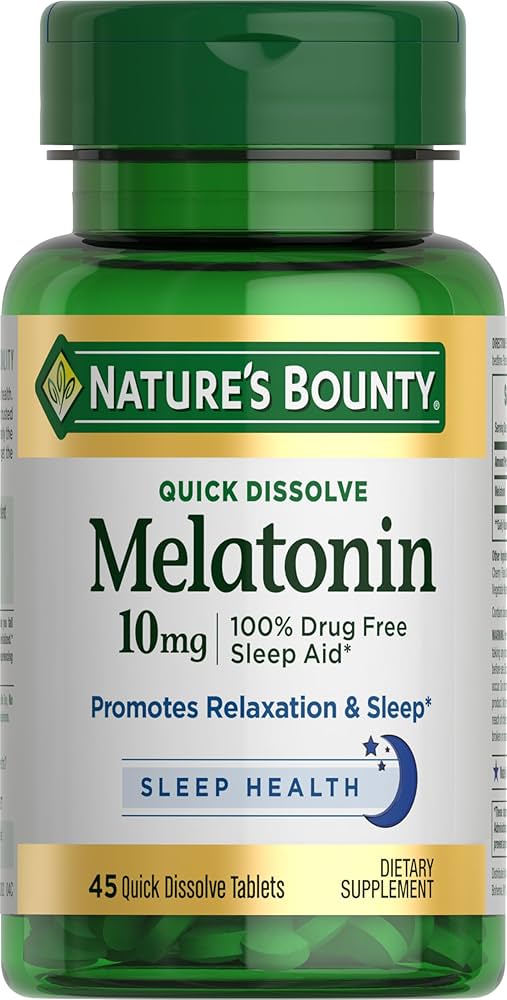
The Benefits of Melatonin 10 mg
Melatonin is a hormone produced by the pineal gland in the brain that helps regulate sleep-wake cycles. It is commonly used as a supplement to improve sleep quality and treat sleep disorders such as insomnia. While melatonin supplements are available in various dosages, such as 1 mg, 3 mg, or 5 mg, some individuals may benefit from higher doses like melatonin 10 mg.
Individuals who have difficulty falling asleep or staying asleep may find melatonin 10 mg more effective in promoting better sleep. Research suggests that higher doses of melatonin can help reset the body’s internal clock and improve overall sleep quality. However, it is important to consult with a healthcare provider before taking melatonin supplements, especially at higher doses.
In addition to its role in regulating sleep, melatonin also acts as a powerful antioxidant that helps protect cells from damage caused by free radicals. This antioxidant property may have various health benefits, including improving immune function and reducing inflammation in the body.
It’s important to note that melatonin supplements are not regulated by the FDA and may interact with certain medications or have side effects for some individuals. Therefore, it is crucial to seek guidance from a healthcare professional before starting any new supplement regimen.
Overall, melatonin 10 mg can be a valuable tool for individuals struggling with sleep issues or looking to improve their overall sleep quality. By understanding its benefits and potential risks, individuals can make informed decisions about incorporating melatonin supplements into their daily routine.
6 Benefits of Melatonin 100 mg: Enhancing Sleep, Health, and Well-being
- May help improve sleep quality
- Can be beneficial for individuals with insomnia
- May aid in resetting the body’s internal clock
- Acts as a powerful antioxidant
- May have potential health benefits such as improving immune function
- Can be a valuable tool for individuals struggling with sleep issues
4 Potential Drawbacks of Taking 100 mg Melatonin: Side Effects, Interactions, Regulation Issues, and Natural Production Disruption
- Potential side effects such as drowsiness, headaches, or nausea.
- Interactions with certain medications, leading to adverse effects.
- Regulatory concerns as melatonin supplements are not FDA-regulated.
- May disrupt natural melatonin production in the body if taken in high doses.
May help improve sleep quality
Melatonin 100 mg may help improve sleep quality by regulating the body’s natural sleep-wake cycle. This higher dosage of melatonin can be particularly beneficial for individuals who struggle with insomnia or have difficulty falling asleep and staying asleep throughout the night. By taking melatonin 100 mg, individuals may experience more restful and rejuvenating sleep, leading to increased energy levels, improved mood, and overall better health and well-being. It is important to consult with a healthcare provider before starting any new supplement regimen to ensure safe and effective use of melatonin for improving sleep quality.
Can be beneficial for individuals with insomnia
Melatonin 100 mg can be particularly beneficial for individuals struggling with insomnia. Insomnia is a common sleep disorder characterized by difficulty falling asleep or staying asleep, which can have a significant impact on overall well-being and daily functioning. By taking melatonin supplements in higher doses like 100 mg, individuals with insomnia may experience improved sleep quality and better regulation of their sleep-wake cycle. Melatonin’s ability to promote relaxation and induce sleep can help individuals with insomnia achieve a more restful and rejuvenating night’s sleep, ultimately leading to enhanced daytime alertness and cognitive function.
May aid in resetting the body’s internal clock
Melatonin 100 mg may aid in resetting the body’s internal clock, helping individuals regulate their sleep-wake cycles and improve overall sleep quality. By taking melatonin supplements at the right time and dosage, individuals experiencing disruptions in their circadian rhythm can potentially realign their internal clock to promote better sleep patterns. This benefit of melatonin can be particularly helpful for those with insomnia or jet lag, as it supports the body in adjusting to new sleep schedules and promoting a sense of restfulness at appropriate times.
Acts as a powerful antioxidant
Melatonin 100 mg serves as a potent antioxidant, offering valuable protection to cells against damage caused by free radicals. This antioxidant property not only helps in safeguarding cellular health but also plays a role in enhancing immune function and reducing inflammation within the body. By acting as an antioxidant, melatonin 100 mg contributes to overall well-being and may have far-reaching benefits for individuals seeking to support their body’s natural defense mechanisms.
May have potential health benefits such as improving immune function
Melatonin 100 mg may offer potential health benefits, including the improvement of immune function. As a powerful antioxidant, melatonin helps protect cells from damage caused by free radicals, which can enhance the body’s immune response. By supporting immune function, melatonin may contribute to overall well-being and help the body better defend against illnesses and infections. It is important to consult with a healthcare provider before incorporating melatonin supplements into your routine to ensure safe and effective use.
Can be a valuable tool for individuals struggling with sleep issues
Melatonin 100 mg can be a valuable tool for individuals struggling with sleep issues. This higher dosage of melatonin can help regulate the body’s internal clock and improve overall sleep quality, making it easier for those with insomnia or difficulty falling asleep to achieve a restful night’s sleep. By taking melatonin 100 mg under the guidance of a healthcare provider, individuals experiencing sleep disturbances may find relief and experience improved rest and rejuvenation.
Potential side effects such as drowsiness, headaches, or nausea.
When considering melatonin 100 mg as a supplement for sleep issues, it’s important to be aware of potential side effects that may arise. Some individuals may experience drowsiness, headaches, or nausea when taking higher doses of melatonin. These side effects can impact daily activities and overall well-being, highlighting the importance of starting with a lower dose and gradually increasing if needed. Consulting with a healthcare provider before incorporating melatonin 100 mg into your routine can help mitigate these potential adverse effects and ensure safe usage.
Interactions with certain medications, leading to adverse effects.
One significant con of taking melatonin 100 mg is its potential interactions with certain medications, which can result in adverse effects. Melatonin may interact with various drugs, such as blood thinners, immunosuppressants, and certain sedatives, altering their effectiveness or causing unexpected side effects. It is crucial to consult with a healthcare provider before taking melatonin supplements, especially at higher doses like 100 mg, to avoid any harmful interactions and ensure the safe use of both melatonin and other medications.
Regulatory concerns as melatonin supplements are not FDA-regulated.
One significant con of melatonin 100 mg is the lack of FDA regulation concerning melatonin supplements. Since melatonin falls under the category of dietary supplements rather than medications, it is not subject to the same rigorous testing and oversight by the FDA. This lack of regulation raises concerns about the quality, consistency, and safety of melatonin products on the market. Without FDA regulation, there is a risk of variability in potency, purity, and potential contaminants in melatonin supplements, highlighting the importance of caution and consulting with a healthcare provider before using such products.
May disrupt natural melatonin production in the body if taken in high doses.
Taking melatonin in high doses, such as 100 mg, may disrupt the body’s natural production of melatonin. When external sources of melatonin are consistently introduced at high levels, the body may become reliant on these supplements, leading to a potential decrease in its own natural production of the hormone. This disruption can impact the body’s ability to regulate its sleep-wake cycle independently over time. It is important to be cautious when using high doses of melatonin and consult with a healthcare provider to determine the appropriate dosage that will not interfere with the body’s natural melatonin production.