The Relationship Between Melatonin and Diabetes
Diabetes is a chronic condition that affects millions of people worldwide. It is characterized by high levels of blood sugar, either due to inadequate production of insulin or the body’s inability to respond effectively to insulin. Managing diabetes involves a combination of medication, diet, exercise, and lifestyle changes.
Melatonin is a hormone produced by the pineal gland in the brain that regulates sleep-wake cycles. It is commonly known as the “sleep hormone” because its levels rise in the evening, signaling to the body that it is time to sleep. However, melatonin also plays a role in other physiological processes, including its potential impact on diabetes.
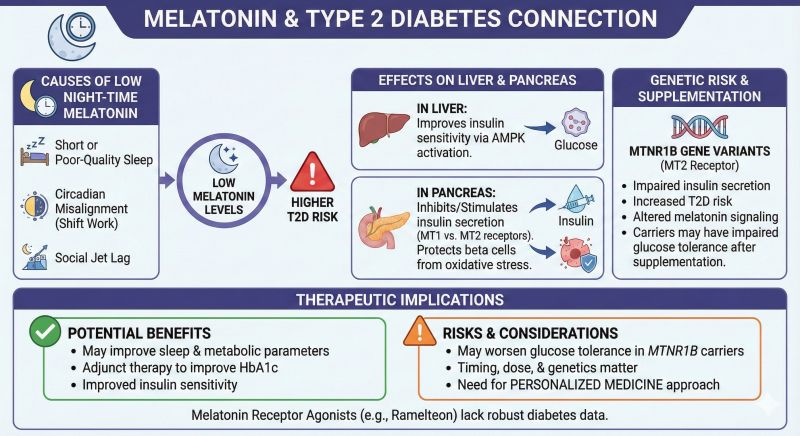
Research has shown that melatonin may have beneficial effects for individuals with diabetes. Studies suggest that melatonin may help improve blood sugar control by enhancing insulin sensitivity and reducing oxidative stress. Additionally, melatonin has been found to have anti-inflammatory properties, which can be beneficial for individuals with diabetes who are at risk of developing complications such as cardiovascular disease.
Furthermore, melatonin may help regulate circadian rhythms in individuals with diabetes. Disrupted sleep patterns and irregular sleep-wake cycles are common among people with diabetes and can negatively impact their blood sugar levels and overall health. By enhancing the quality of sleep and promoting healthy circadian rhythms, melatonin supplementation may offer additional benefits for individuals with diabetes.
It is important to note that while research on the relationship between melatonin and diabetes is promising, more studies are needed to fully understand the mechanisms behind these potential benefits. As with any supplement or treatment approach, it is recommended to consult with a healthcare provider before incorporating melatonin into your diabetes management plan.
In conclusion, melatonin shows promise as a complementary approach for managing diabetes by potentially improving blood sugar control, enhancing insulin sensitivity, reducing oxidative stress, and regulating circadian rhythms. With further research and clinical trials, melatonin may emerge as a valuable tool in the comprehensive care of individuals living with diabetes.
6 Essential Tips for Using Melatonin Safely with Diabetes
- Consult with a healthcare provider before using melatonin if you have diabetes.
- Monitor your blood sugar levels closely when taking melatonin supplements.
- Avoid high doses of melatonin, as it may affect insulin sensitivity.
- Be aware of potential interactions between melatonin and diabetes medications.
- Consider the timing of melatonin intake to minimize any impact on blood sugar levels.
- Maintain a healthy lifestyle with balanced diet and regular exercise to complement the use of melatonin for better management of diabetes.
Consult with a healthcare provider before using melatonin if you have diabetes.
It is crucial to consult with a healthcare provider before incorporating melatonin into your routine if you have diabetes. Since melatonin may have an impact on blood sugar levels, insulin sensitivity, and circadian rhythms, it is important to seek guidance from a medical professional who can assess your individual health needs and provide personalized recommendations. By consulting with a healthcare provider, you can ensure that the use of melatonin aligns with your diabetes management plan and overall well-being.
Monitor your blood sugar levels closely when taking melatonin supplements.
It is crucial to monitor your blood sugar levels closely when taking melatonin supplements, especially if you have diabetes. Melatonin may affect blood sugar levels and insulin sensitivity, so tracking your glucose levels regularly can help you understand how your body responds to the supplement. By staying vigilant and working closely with your healthcare provider, you can ensure that melatonin supplementation is safe and beneficial for your diabetes management plan.
Avoid high doses of melatonin, as it may affect insulin sensitivity.
It is advisable to avoid high doses of melatonin when considering its potential impact on diabetes management. High doses of melatonin may have an effect on insulin sensitivity, which is a crucial factor in regulating blood sugar levels. By being cautious with the dosage of melatonin consumed, individuals with diabetes can better manage their insulin response and overall glycemic control. Consulting with a healthcare provider before starting any new supplement regimen, including melatonin, is recommended to ensure that it aligns with individual health needs and goals.
Be aware of potential interactions between melatonin and diabetes medications.
It is important to be aware of potential interactions between melatonin and diabetes medications. Some diabetes medications may interact with melatonin, affecting their effectiveness or causing unexpected side effects. It is advisable to consult with a healthcare provider before adding melatonin to your diabetes management regimen to ensure that it does not interfere with your current medications or treatment plan. Monitoring for any changes in blood sugar levels or medication efficacy when combining melatonin with diabetes medications is crucial for maintaining optimal health and well-being.
Consider the timing of melatonin intake to minimize any impact on blood sugar levels.
Consider the timing of melatonin intake to minimize any impact on blood sugar levels. It is advisable to take melatonin supplements earlier in the evening, ideally around 1-2 hours before bedtime, to ensure that its effects on sleep-wake cycles align with natural circadian rhythms. By avoiding late-night intake, individuals with diabetes can help regulate their blood sugar levels more effectively and optimize the potential benefits of melatonin on overall health and well-being. Consulting with a healthcare provider can provide personalized guidance on the appropriate timing of melatonin intake based on individual circumstances and health goals.
Maintain a healthy lifestyle with balanced diet and regular exercise to complement the use of melatonin for better management of diabetes.
To optimize the benefits of melatonin in managing diabetes, it is essential to maintain a healthy lifestyle that includes a balanced diet and regular exercise. A nutritious diet rich in fruits, vegetables, whole grains, and lean proteins can help control blood sugar levels and support overall health. Combined with regular physical activity, such as aerobic exercises and strength training, this lifestyle approach can complement the use of melatonin by promoting insulin sensitivity, weight management, and cardiovascular health. By incorporating these healthy habits into daily routines, individuals with diabetes can enhance the effectiveness of melatonin supplementation for better management of their condition.