The Benefits of Melatonin for the Elderly
As we age, our sleep patterns can change, leading to difficulties falling asleep and staying asleep. This is a common issue among the elderly population, but there is a natural solution that may help improve sleep quality: melatonin.
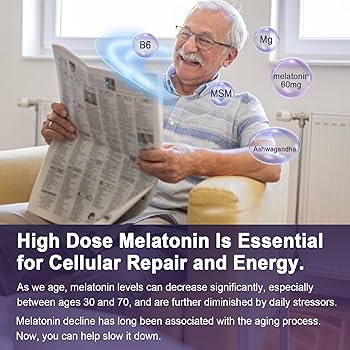
Melatonin is a hormone produced by the pineal gland in the brain that regulates sleep-wake cycles. It plays a crucial role in signaling to the body when it’s time to sleep and when it’s time to wake up. However, as we age, the production of melatonin tends to decrease, which can contribute to insomnia and other sleep disturbances.
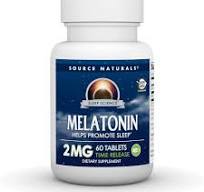
For elderly individuals experiencing sleep problems, melatonin supplements can be a safe and effective way to improve their sleep quality. Research has shown that melatonin supplementation can help regulate sleep patterns, reduce the time it takes to fall asleep, and increase total sleep time.
In addition to its role in promoting better sleep, melatonin also has antioxidant properties that may benefit overall health in older adults. It has been studied for its potential anti-inflammatory and neuroprotective effects, which could be beneficial in combating age-related conditions such as cognitive decline and neurodegenerative diseases.
It’s important for elderly individuals considering melatonin supplementation to consult with their healthcare provider first, as individual needs and potential interactions with other medications should be taken into account. With proper guidance, melatonin can be a valuable tool in improving sleep quality and overall well-being for the elderly.
6 Essential Tips for Safe and Effective Melatonin Use in Seniors
- Consult with a healthcare provider before starting melatonin supplements.
- Start with a low dose and gradually increase if needed.
- Take melatonin about 1-2 hours before bedtime for best results.
- Avoid long-term use of melatonin without medical supervision.
- Be aware of potential interactions with other medications the elderly person may be taking.
- Consider non-pharmacological approaches to improve sleep quality in addition to melatonin.
Consult with a healthcare provider before starting melatonin supplements.
Before starting melatonin supplements, it is crucial for elderly individuals to consult with a healthcare provider. This step is essential to ensure that the use of melatonin is safe and appropriate for their specific health needs and any existing medical conditions. Healthcare providers can offer personalized guidance on dosage, potential interactions with other medications, and monitoring for any side effects. By seeking professional advice before incorporating melatonin into their routine, elderly individuals can make informed decisions that prioritize their well-being and optimize the benefits of this natural sleep aid.
Start with a low dose and gradually increase if needed.
When considering melatonin supplementation for the elderly, it is advisable to start with a low dose and gradually increase if needed. This approach allows for careful monitoring of the individual’s response to the supplement and helps minimize the risk of potential side effects. By starting with a conservative dose and adjusting as necessary, elderly individuals can find the optimal amount of melatonin that effectively improves their sleep quality without exceeding their body’s requirements. Consulting with a healthcare provider is recommended to ensure safe and appropriate use of melatonin for better sleep in older adults.
Take melatonin about 1-2 hours before bedtime for best results.
For optimal results when using melatonin to improve sleep quality in elderly individuals, it is recommended to take the supplement approximately 1-2 hours before bedtime. This timing allows the body to absorb and utilize the melatonin effectively, helping to regulate sleep-wake cycles and promote a restful night’s sleep. By following this guideline, elderly individuals can enhance the effectiveness of melatonin in addressing sleep disturbances and improving overall sleep patterns.
Avoid long-term use of melatonin without medical supervision.
It is advisable for elderly individuals to avoid long-term use of melatonin without medical supervision. While melatonin can be beneficial for improving sleep quality in the short term, prolonged use without proper guidance may lead to potential risks and side effects. Consulting with a healthcare provider before starting or continuing melatonin supplementation is crucial to ensure that it is safe and appropriate for individual needs, taking into consideration any underlying health conditions or medications that may interact with melatonin. Prioritizing medical supervision can help mitigate potential risks and optimize the benefits of melatonin for elderly individuals seeking to improve their sleep patterns.
Be aware of potential interactions with other medications the elderly person may be taking.
It is crucial to be mindful of potential interactions with other medications that elderly individuals may be taking when considering melatonin supplementation. Certain medications, such as blood thinners, antidepressants, and diabetes medications, may interact with melatonin and affect its effectiveness or pose risks to health. Consulting with a healthcare provider before starting melatonin is essential to ensure that it is safe and appropriate for the individual’s specific medical history and medication regimen. Prioritizing communication with healthcare professionals can help prevent any adverse effects and optimize the benefits of melatonin for improving sleep quality in the elderly population.
Consider non-pharmacological approaches to improve sleep quality in addition to melatonin.
When addressing sleep issues in the elderly, it is advisable to explore non-pharmacological approaches alongside the use of melatonin supplements. Incorporating lifestyle changes such as establishing a consistent sleep schedule, creating a relaxing bedtime routine, optimizing the sleep environment, and engaging in regular physical activity can all contribute to improving sleep quality naturally. These non-pharmacological strategies complement the benefits of melatonin supplementation and promote overall well-being for elderly individuals seeking better restorative sleep.