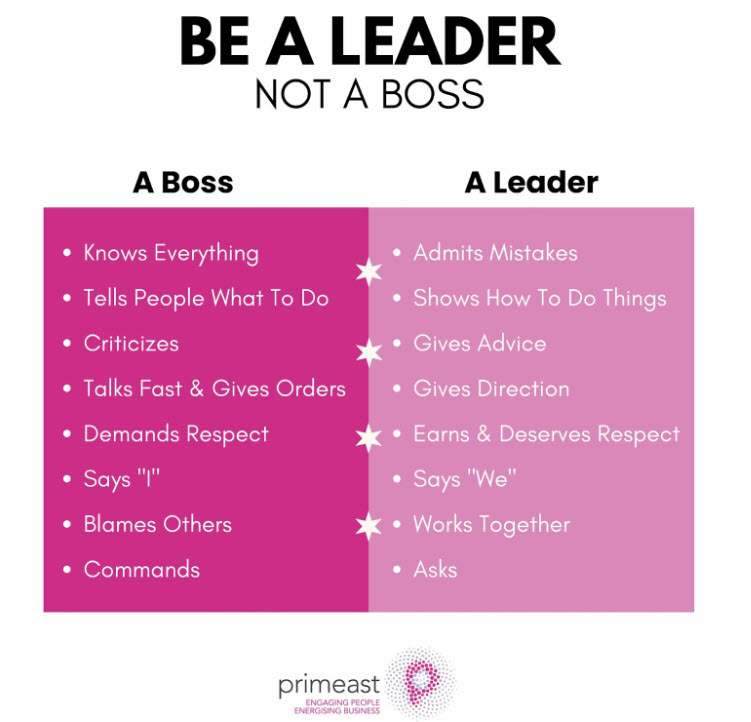
The Impact of Poor Leadership on Organizations
Poor leadership within an organization can have far-reaching consequences that affect not only the company’s bottom line but also its employees and overall culture. When leaders fail to effectively guide and inspire their teams, the negative effects can be detrimental to the organization as a whole.
Decreased Employee Morale
One of the most immediate impacts of poor leadership is decreased employee morale. When employees feel undervalued, unsupported, or micromanaged by their leaders, they are less likely to be engaged in their work and may experience higher levels of stress and dissatisfaction.
High Turnover Rates
Poor leadership often leads to high turnover rates within an organization. Employees who are unhappy with their leadership are more likely to seek opportunities elsewhere, resulting in increased recruitment and training costs for the company. High turnover rates can also disrupt team dynamics and hinder productivity.
Lack of Innovation and Creativity
Effective leaders encourage innovation and creativity within their teams by fostering a culture of open communication and idea-sharing. In contrast, poor leadership stifles creativity by promoting fear of failure and discouraging risk-taking. This can result in missed opportunities for growth and development.
Decline in Performance
When employees lack clear direction, support, and motivation from their leaders, overall performance within the organization is likely to suffer. Poor leadership can lead to confusion about goals and expectations, resulting in decreased productivity and quality of work.
Damage to Reputation
The impact of poor leadership extends beyond internal operations and can also damage the organization’s reputation externally. Negative experiences with leadership can tarnish a company’s image among customers, partners, and stakeholders, leading to loss of trust and credibility.
Conclusion
In conclusion, poor leadership has significant implications for organizations across various aspects of their operations. It is crucial for companies to invest in developing strong leaders who prioritize communication, empathy, transparency, and accountability to foster a positive work environment conducive to success.
Understanding Poor Leadership: Key Characteristics, Signs, and Strategies for Improvement
- What are the 5 qualities of a bad leader?
- What are the 5 F’s of leadership?
- What are the two signs of poor leadership?
- What is the meaning of poor quality leadership?
- How do you deal with poor leadership?
- What does poor leadership mean?
- What is an example of a bad leader?
What are the 5 qualities of a bad leader?
When evaluating the qualities of a bad leader, there are five key characteristics that commonly stand out. Firstly, a lack of effective communication skills can hinder a leader’s ability to convey information clearly and inspire their team. Secondly, an absence of empathy and emotional intelligence can lead to strained relationships and an unsupportive work environment. Thirdly, a tendency towards micromanagement can stifle employee autonomy and creativity. Fourthly, a failure to take responsibility for mistakes and shortcomings can erode trust and accountability within the team. Lastly, a lack of vision and direction can result in confusion and disorganization among team members. These qualities collectively contribute to poor leadership practices that impede organizational success and employee satisfaction.
What are the 5 F’s of leadership?
The 5 F’s of leadership are a framework that highlights key qualities and attributes essential for effective leadership. These include vision, fostering relationships, fostering teamwork, fostering followership, and fostering results. Vision refers to a leader’s ability to set clear goals and inspire others towards a common purpose. Fostering relationships involves building strong connections with team members, stakeholders, and partners to enhance collaboration and trust. Fostering teamwork emphasizes the importance of creating a cohesive and supportive team environment. Fostering followership focuses on earning the respect and loyalty of those being led. Lastly, fostering results underscores the significance of achieving tangible outcomes and driving success through strategic decision-making and execution. Mastering these 5 F’s can help leaders navigate challenges, inspire their teams, and achieve sustainable growth in their organizations.
What are the two signs of poor leadership?
Two common signs of poor leadership include a lack of clear communication and a failure to inspire and motivate team members. When leaders struggle to effectively communicate expectations, goals, and feedback, it can lead to confusion, misunderstandings, and decreased productivity within the team. Additionally, when leaders fail to inspire and motivate their team members, morale can suffer, resulting in disengagement, low performance levels, and high turnover rates. Effective leadership requires strong communication skills and the ability to inspire and empower others towards shared goals.
What is the meaning of poor quality leadership?
Poor quality leadership refers to a style of leadership characterized by ineffective communication, lack of vision, and an inability to inspire and motivate team members. It encompasses leaders who fail to provide clear direction, support, or guidance to their teams, resulting in decreased morale, high turnover rates, and underperformance within the organization. Poor quality leadership often leads to a toxic work environment where employees feel undervalued, unengaged, and disempowered. It is essential for organizations to recognize the signs of poor quality leadership and take proactive steps to develop strong leaders who can drive positive change and foster a culture of growth and success.
How do you deal with poor leadership?
When faced with poor leadership, it is essential to approach the situation with tact and strategy. One effective way to deal with poor leadership is to communicate openly and constructively with the leader in question, expressing concerns and providing specific examples of issues that need to be addressed. Seeking support from HR or higher management can also help in addressing the situation professionally. Additionally, focusing on building strong relationships with colleagues and maintaining a positive attitude can help mitigate the negative impact of poor leadership on your work experience. Ultimately, taking proactive steps to address poor leadership can lead to positive changes within the organization and foster a healthier work environment for all team members.
What does poor leadership mean?
Poor leadership refers to a situation where individuals in positions of authority fail to effectively guide, inspire, and support their teams or organizations. It encompasses a range of behaviors and characteristics such as lack of clear communication, indecisiveness, micromanagement, lack of empathy, and failure to provide direction or vision. Poor leadership can result in decreased employee morale, high turnover rates, lack of innovation, decline in performance, and damage to the organization’s reputation. Ultimately, poor leadership hinders the growth and success of an organization by creating a negative work environment and impeding progress towards achieving goals and objectives.
What is an example of a bad leader?
An example of a bad leader can be someone who lacks empathy and fails to consider the well-being and perspectives of their team members. This type of leader may exhibit authoritarian behavior, micromanage tasks without empowering their employees, and show little interest in developing their team’s skills and potential. Additionally, a bad leader may struggle with communication, making decisions without seeking input from others, and creating a toxic work environment characterized by fear, mistrust, and low morale. Such leaders often prioritize their own interests over the success and growth of the team, resulting in disengagement, high turnover rates, and poor performance within the organization.