The Impact of Anxiety on Mental Health
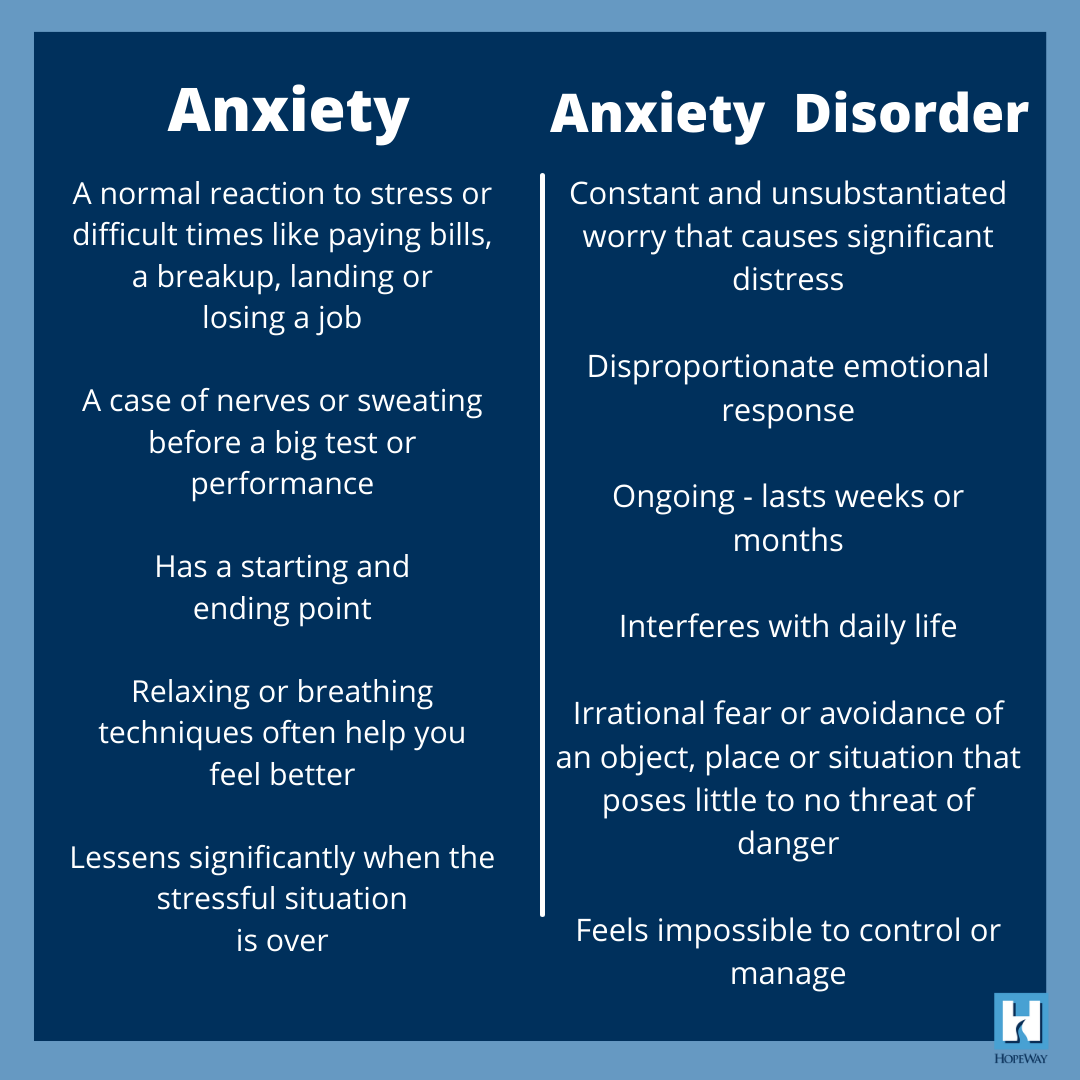
Anxiety is a common mental health condition that affects millions of people worldwide. It can manifest in various forms, such as generalized anxiety disorder, social anxiety, panic disorder, and phobias. While it is normal to experience occasional feelings of anxiety in response to stressful situations, chronic and excessive anxiety can have a significant impact on an individual’s mental health.
One of the key effects of anxiety on mental health is the disruption it causes to daily life. People with anxiety may struggle to concentrate, make decisions, or engage in social interactions due to constant worry and fear. This can lead to feelings of isolation, low self-esteem, and impaired functioning in various areas of life.
Furthermore, untreated anxiety can contribute to the development of other mental health conditions, such as depression. The constant stress and negative thinking patterns associated with anxiety can take a toll on one’s emotional well-being and increase the risk of developing comorbid disorders.
Physical symptoms are also common among individuals with anxiety disorders. These may include muscle tension, headaches, stomach problems, fatigue, and sleep disturbances. The physical manifestations of anxiety can exacerbate existing mental health issues and create additional challenges for those affected.
Fortunately, there are effective treatments available for managing anxiety and improving mental health outcomes. Therapy, medication, lifestyle changes, and relaxation techniques are some of the approaches that can help individuals cope with their symptoms and regain control over their lives.
It is essential for those experiencing persistent feelings of anxiety to seek support from mental health professionals. By addressing anxiety early on and developing healthy coping mechanisms, individuals can reduce the impact of anxiety on their mental health and overall well-being.
6 Positive Aspects of Navigating Anxiety: Growth, Resilience, and Connection
- Increased awareness and understanding of one’s emotions and triggers
- Opportunity for personal growth and self-discovery through therapy and self-care practices
- Development of resilience and coping skills to better manage stress and challenges
- Greater empathy and compassion towards others experiencing similar struggles
- Motivation to prioritize mental health and well-being in daily life
- Potential for improved relationships through open communication about anxiety-related concerns
Five Ways Anxiety Can Disrupt Your Life and Well-being
- Interference with daily activities and responsibilities
- Negative impact on relationships with family and friends
- Increased risk of developing other mental health disorders
- Physical symptoms such as muscle tension and fatigue
- Challenges in making decisions and problem-solving
Increased awareness and understanding of one’s emotions and triggers
One significant benefit of mental health anxiety is the increased awareness and understanding of one’s emotions and triggers. Through the process of managing anxiety, individuals often develop a deeper insight into their emotional responses and the specific situations that trigger their anxiety. This heightened self-awareness allows them to identify patterns, explore underlying issues, and develop effective coping strategies to navigate challenging emotions more effectively. By recognizing and acknowledging their feelings and triggers, individuals can cultivate emotional resilience and empower themselves to proactively address their mental health needs.
Opportunity for personal growth and self-discovery through therapy and self-care practices
An often overlooked benefit of managing mental health anxiety is the opportunity it presents for personal growth and self-discovery. Through therapy and self-care practices, individuals can delve deep into their thoughts, emotions, and behaviors, gaining valuable insights into themselves and their inner workings. This process of introspection can lead to profound personal growth, increased self-awareness, and a greater sense of empowerment as individuals learn to navigate their anxiety in a healthy and constructive manner. By embracing therapy and self-care practices, individuals can embark on a transformative journey towards understanding themselves better and cultivating resilience in the face of mental health challenges.
Development of resilience and coping skills to better manage stress and challenges
Experiencing mental health anxiety can lead to the development of resilience and coping skills that empower individuals to better manage stress and navigate challenges. By confronting and overcoming anxiety-related obstacles, individuals can cultivate a greater sense of inner strength, adaptability, and resourcefulness. This process not only enhances their ability to cope with future stressors but also equips them with valuable tools for maintaining emotional well-being and thriving in the face of adversity.
Greater empathy and compassion towards others experiencing similar struggles
Experiencing mental health anxiety can lead to a greater sense of empathy and compassion towards others who are going through similar struggles. When individuals have firsthand experience with anxiety, they are more likely to understand the challenges and emotions that accompany such conditions. This heightened awareness can foster a deeper connection with others facing similar issues, allowing for more meaningful support and solidarity within the mental health community.
Motivation to prioritize mental health and well-being in daily life
One positive aspect of mental health anxiety is that it can serve as a motivating factor for individuals to prioritize their mental health and well-being in their daily lives. The awareness of experiencing anxiety can prompt individuals to seek out resources, support, and strategies to better manage their mental health. This heightened focus on self-care and emotional well-being can lead to the adoption of healthy habits, such as mindfulness practices, regular exercise, adequate sleep, and seeking therapy or counseling when needed. By recognizing the importance of mental health and taking proactive steps to address anxiety symptoms, individuals can cultivate resilience, self-awareness, and a greater sense of overall well-being in their lives.
Potential for improved relationships through open communication about anxiety-related concerns
Open communication about anxiety-related concerns has the potential to significantly improve relationships. When individuals feel comfortable discussing their anxiety with loved ones, friends, or colleagues, it fosters understanding, empathy, and support within the relationship. By sharing their struggles and triggers openly, individuals with anxiety can help others better comprehend their experiences and provide the necessary encouragement and assistance. This open dialogue not only strengthens the bond between individuals but also promotes a safe and compassionate environment where everyone feels valued and supported in navigating mental health challenges together.
Interference with daily activities and responsibilities
One significant con of mental health anxiety is its interference with daily activities and responsibilities. Individuals experiencing anxiety may find it challenging to focus on tasks, make decisions, or engage in social interactions due to persistent worry and fear. This can lead to difficulties in meeting work deadlines, fulfilling family obligations, and maintaining relationships. The impact of anxiety on daily life can result in feelings of frustration, inadequacy, and a sense of being overwhelmed, making it essential for individuals to seek support and strategies to manage their symptoms effectively.
Negative impact on relationships with family and friends
Mental health anxiety can have a detrimental effect on relationships with family and friends. The constant worry, fear, and stress associated with anxiety can lead individuals to withdraw from social interactions, isolate themselves, or have difficulty communicating their feelings and needs to loved ones. This can strain relationships, causing misunderstandings, conflicts, and a sense of distance between the individual experiencing anxiety and their family and friends. The inability to fully engage in meaningful connections due to anxiety symptoms can result in feelings of loneliness, guilt, and further exacerbate the individual’s mental health challenges.
Increased risk of developing other mental health disorders
Individuals struggling with mental health anxiety face the concerning con of an increased risk of developing other mental health disorders. The chronic stress and negative thought patterns associated with anxiety can pave the way for conditions like depression, substance abuse, or eating disorders to emerge. This heightened vulnerability to comorbid disorders underscores the importance of addressing anxiety promptly and comprehensively to mitigate its potential cascading effects on overall mental well-being.
Physical symptoms such as muscle tension and fatigue
One significant con of mental health anxiety is the manifestation of physical symptoms, including muscle tension and fatigue. When individuals experience persistent anxiety, their bodies can respond with heightened muscle tension, leading to discomfort and pain. This physical symptom can further exacerbate feelings of stress and unease, creating a cycle of mental and physical distress. Additionally, fatigue is a common side effect of anxiety, as the constant state of alertness and worry can drain one’s energy reserves. These physical manifestations not only impact the individual’s daily functioning but also serve as a reminder of the toll that anxiety takes on both mind and body.
Challenges in making decisions and problem-solving
Individuals struggling with mental health anxiety often face challenges in making decisions and problem-solving. The constant worry and fear associated with anxiety can cloud one’s judgment and lead to indecisiveness. Simple tasks that require decision-making can become overwhelming, causing individuals to second-guess themselves and feel paralyzed by the fear of making the wrong choice. This difficulty in decision-making can hinder progress in both personal and professional life, creating a sense of frustration and helplessness. Moreover, problem-solving skills may be compromised as anxiety tends to magnify perceived threats and obstacles, making it harder to approach problems rationally and find effective solutions.